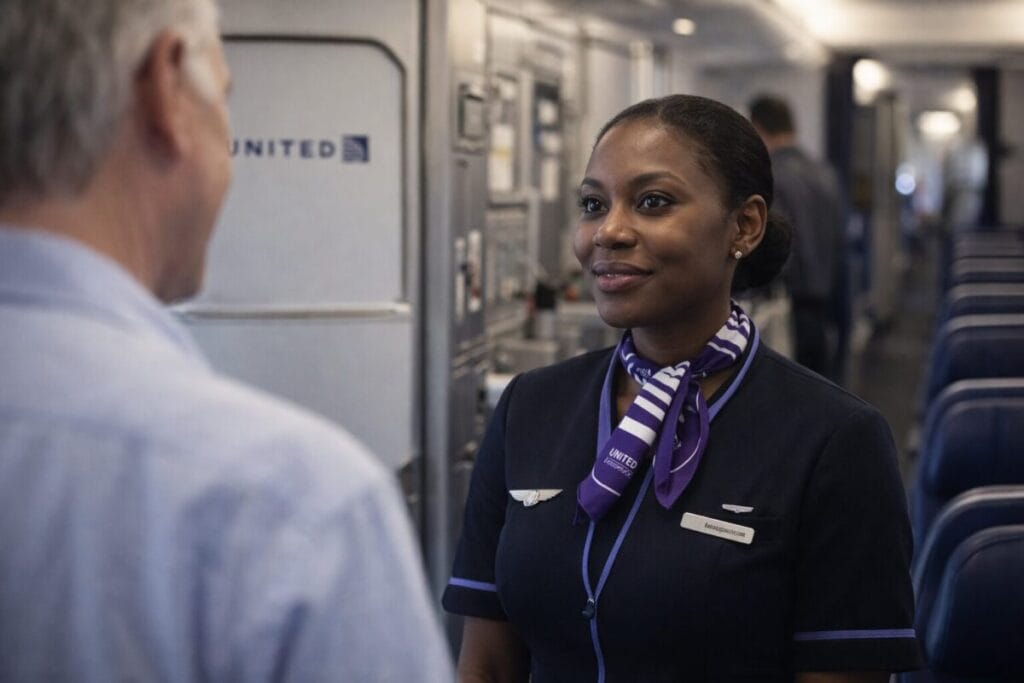
A developing labor dispute at United Airlines is drawing attention across the aviation industry as negotiations with flight attendants enter a critical phase. At the center of the discussion is a proposed shift to a new scheduling framework that the airline believes could modernize operations and support future wage growth. However, the proposal has sparked debate among cabin crew members and their union, raising important questions about how the outcome could influence travel experiences for millions of passengers.
United Airlines, one of the largest global carriers based in the United States, employs tens of thousands of flight attendants who play a central role in maintaining onboard safety and service standards. Negotiations between the airline and flight attendant representatives have continued following the rejection of a previous contract proposal, highlighting ongoing disagreements over work conditions, compensation structures, and scheduling practices.
Scheduling Reform at the Core of Negotiations
The most contentious issue in current talks involves a proposed transition from a traditional monthly bidding system to a Preferential Bidding System (PBS). Under the existing model, flight attendants select schedules through established processes that emphasize seniority and predetermined route structures. The proposed PBS model would introduce algorithm-based scheduling designed to match crew preferences with operational requirements more dynamically.
According to airline leadership, the change would allow flight attendants to indicate preferred destinations, days off, layover patterns, and work types while enabling automated roster creation. The company argues that adopting such technology could improve efficiency, reduce manual adjustments, and ultimately free resources to enhance compensation packages.
However, flight attendants and union representatives have expressed concerns regarding transparency and predictability. Critics worry that algorithm-driven scheduling may reduce control over work-life balance or create uncertainty around assigned trips. These concerns have become a significant factor in ongoing contract discussions.
Implications for Travelers
While the negotiations primarily involve labor conditions, passengers could experience indirect effects depending on how the dispute evolves. If implemented successfully, a modernized scheduling system may help improve operational stability by reducing staffing gaps that occasionally lead to delays or cancellations.
More efficient crew scheduling can ensure that flights are properly staffed, particularly during peak travel seasons when demand is high. Airlines across the industry have increasingly explored automated workforce management tools to maintain consistency and reduce disruptions. If executed effectively, these systems could enhance reliability and create smoother travel experiences.
Additionally, aligning crew availability more closely with flight schedules may allow airlines to optimize onboard service delivery. Predictable rostering could support better rest periods for flight attendants, potentially improving service quality and overall passenger satisfaction.
Potential Risks and Passenger Concerns
Despite potential benefits, unresolved labor disputes often create uncertainty for travelers. If negotiations remain tense, there is a risk that employee dissatisfaction could influence morale or lead to operational disruptions. Even without formal industrial action, strained labor relations can impact customer experience, especially if staffing challenges arise.
Airlines rely heavily on flight attendants to maintain safety protocols and deliver hospitality services. Any prolonged conflict that affects workforce stability may result in schedule adjustments or delays that ripple across an airline’s network.
Travelers may also experience increased anxiety during periods of labor uncertainty, particularly when planning trips months in advance. The airline industry has seen similar situations in the past, where contract negotiations became closely monitored by both passengers and industry analysts due to potential impacts on service reliability.
Broader Industry Trends
The situation at United Airlines reflects wider shifts occurring across global aviation. Airlines are increasingly integrating technology into workforce management, seeking ways to balance operational efficiency with employee satisfaction. At the same time, aviation workers are advocating for improved wages, better scheduling transparency, and stronger protections for work-life balance following years of pandemic-related disruptions.
The debate surrounding algorithm-based scheduling highlights a growing tension between digital transformation and workforce expectations. While technology promises improved efficiency, its implementation often raises questions about fairness, accountability, and employee autonomy.
Other airlines have adopted similar scheduling models with varying degrees of success, demonstrating that outcomes depend heavily on transparency, communication, and collaborative negotiation between management and unions.
Flight Attendant Priorities and Workforce Perspective
Beyond scheduling, flight attendants have emphasized broader workplace concerns during negotiations. These include compensation for ground time, enhanced rest conditions, and improvements to accommodation standards during layovers. Such factors play a significant role in shaping job satisfaction and ultimately influence the quality of service delivered onboard.
The rejection of a previous tentative agreement underscores the importance of these issues to crew members. As negotiations continue, both sides are under pressure to find common ground that addresses employee needs while maintaining financial sustainability for the airline.
Outlook for Travelers and the Aviation Sector
The outcome of United Airlines’ scheduling dispute could set a precedent for how airlines integrate technology into labor agreements moving forward. For passengers, the resolution may determine whether future travel experiences benefit from improved reliability or face challenges related to workforce dissatisfaction.
As the aviation industry evolves, balancing innovation with employee welfare remains essential. Travelers increasingly expect seamless journeys, but delivering consistent service requires motivated and supported airline staff.
In the coming months, negotiations will likely remain a focal point for industry observers. A successful agreement could pave the way for more efficient operations and enhanced passenger experiences, while ongoing conflict may introduce uncertainty into travel planning.
Ultimately, the situation highlights the interconnected nature of airline operations, workforce dynamics, and passenger satisfaction. For modern travelers, understanding these behind-the-scenes developments offers insight into how the future of air travel is being shaped not only by technology but also by the people who make every journey possible.
For more travel news like this, keep reading Global Travel Wire