The unexpected suspension of operations by Alaska Dream Cruises has created significant ripples across Alaska’s tourism sector, leaving travelers reassessing plans while highlighting broader changes within the small-ship expedition cruise market. Known for intimate voyages through remote regions of Alaska, the cruise operator’s decision to cancel upcoming sailings has affected passengers seeking personalized exploration of one of North America’s most celebrated wilderness destinations.
For travelers drawn to Alaska’s rugged landscapes, wildlife encounters, and secluded coastal communities, the shutdown represents the loss of a niche experience that offered access to locations often unreachable by large cruise vessels. While guests with existing reservations have been promised refunds and support in finding alternatives, the news has prompted wider discussions about the future of boutique expedition cruising in Alaska.
End of an Intimate Cruising Experience
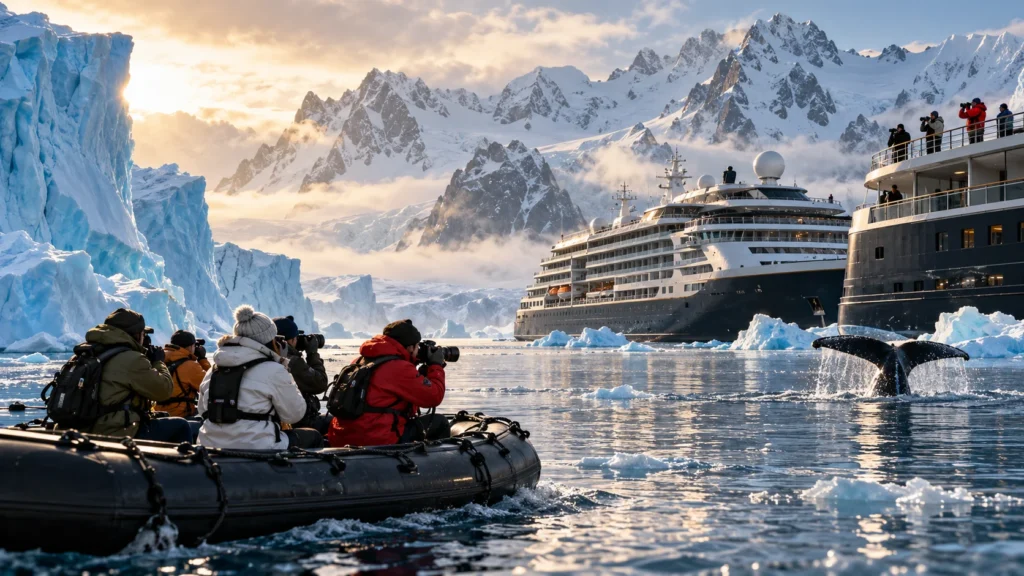
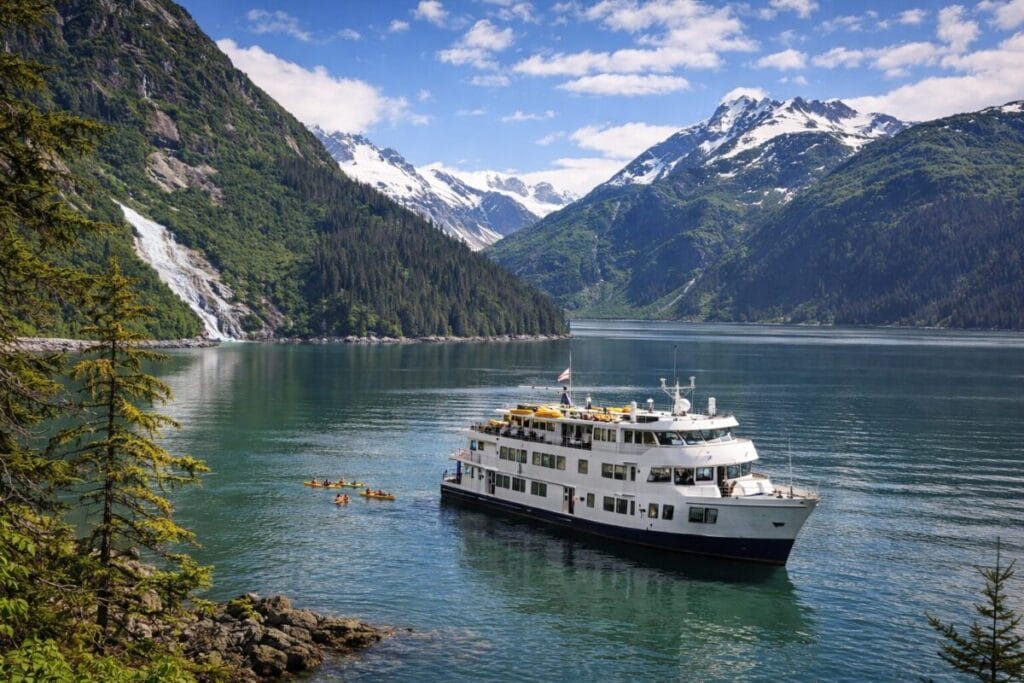
Alaska Dream Cruises built its reputation on small-scale voyages that emphasized cultural immersion, environmental awareness, and close interaction with Alaska’s natural environment. Unlike traditional mega-ships carrying thousands of passengers, the company’s smaller vessels allowed travelers to navigate narrow waterways, dock at lesser-visited ports, and participate in active excursions such as kayaking, guided hikes, and wildlife viewing.
This approach appealed to a growing segment of travelers seeking more meaningful and less crowded travel experiences. Small-ship expeditions offered flexibility in itinerary planning, allowing vessels to adapt routes based on weather conditions or wildlife sightings—an advantage that larger ships typically cannot provide.
The company’s suspension of operations therefore marks more than just a business closure; it signals the disappearance of a distinctive travel style that many visitors considered a gateway to authentic Alaskan exploration.
Impact on Alaska’s Tourism Landscape
Alaska’s tourism economy relies heavily on cruise travel, particularly during the peak summer season when visitors arrive to experience glaciers, national parks, and coastal towns. Large cruise lines dominate the market, but smaller operators have long played a critical role by offering specialized experiences focused on adventure travel and environmental education.
Destinations such as Sitka, Glacier Bay, and remote sections of the Inside Passage benefited from smaller ships that brought limited numbers of travelers who often spent more time exploring local communities and participating in guided outdoor activities. The absence of these voyages may shift visitor patterns, potentially concentrating more passengers on larger cruise ships or land-based tours.
For local businesses that catered to small expedition groups—such as tour operators, guides, and cultural organizations—the change could alter seasonal demand and reshape how travelers interact with Alaska’s remote regions.
What the Closure Means for Travelers
Guests who had booked voyages with Alaska Dream Cruises now face the challenge of reconfiguring their travel plans. While refunds provide financial reassurance, the process of securing replacement cruises can be difficult due to high demand for Alaska itineraries, particularly during summer months.
Travelers seeking similar experiences may need to act quickly to secure alternative small-ship expeditions. Several operators continue to offer adventure-focused itineraries designed around exploration rather than entertainment-driven cruising. However, availability can be limited because smaller vessels typically carry fewer passengers and operate shorter seasonal windows.
Flexibility will be key for travelers navigating this transition. Adjusting travel dates, considering alternative ports, or exploring mixed land-and-sea itineraries may increase the chances of finding comparable experiences.
The Broader Shift in Expedition Cruising
The closure highlights broader trends shaping the expedition cruise industry. Rising operational costs, environmental regulations, and changing consumer expectations have placed pressure on smaller operators, even as demand for experiential travel continues to grow.
Travelers increasingly seek immersive journeys that combine adventure with sustainability, prompting cruise companies to innovate with eco-conscious practices, educational programming, and partnerships with local communities. While larger cruise brands have begun incorporating expedition-style elements into their offerings, boutique operators have traditionally been at the forefront of this trend.
The absence of one of Alaska’s recognized small-ship providers may encourage remaining operators to expand their offerings, but it also underscores the challenges of maintaining profitability in remote and environmentally sensitive destinations.
Exploring Alternatives for Alaska Travel
Despite the disruption caused by the shutdown, Alaska remains one of the world’s most sought-after adventure destinations. Travelers still have numerous ways to experience the state’s dramatic scenery and wildlife.
Large cruise lines continue to offer classic Alaska itineraries featuring glacier viewing and visits to iconic ports. Meanwhile, expedition-style operators provide smaller group experiences with a focus on nature and outdoor exploration. Land-based travel options also allow visitors to combine train journeys, national park tours, and wilderness lodges for a deeper understanding of Alaska’s landscapes.
Planning ahead is essential, particularly for those hoping to travel during peak wildlife viewing seasons or when glacier access is at its best. Early booking and a willingness to explore alternative routes can help travelers secure memorable experiences despite recent industry changes.
Looking Ahead
The suspension of Alaska Dream Cruises serves as a reminder of how dynamic the travel industry can be, especially in specialized niches such as expedition cruising. While the loss of an intimate cruise operator may disappoint loyal guests, it also highlights evolving opportunities within Alaska’s tourism sector.
As travelers adapt and new operators expand their presence, Alaska’s appeal remains strong. The state’s unparalleled wilderness, cultural heritage, and breathtaking scenery continue to attract visitors from around the world.
For those planning future journeys, staying informed and flexible will be essential. Although one chapter in Alaska’s cruise history has come to a close, the region’s spirit of exploration endures, ensuring that unforgettable adventures across glaciers, fjords, and remote coastal landscapes remain within reach for travelers seeking the ultimate northern escape.
For more travel news like this, keep reading Global Travel Wire