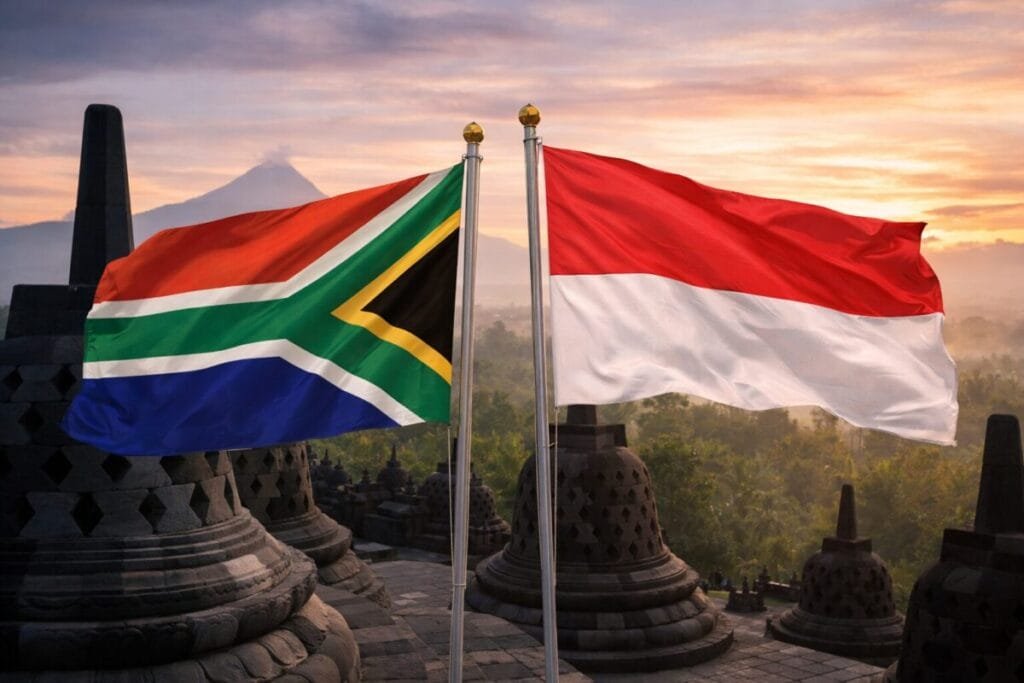
Indonesia and South Africa have unveiled a significant tourism collaboration aimed at strengthening bilateral relations, enhancing sustainable development, and expanding travel opportunities between the two nations. The new partnership marks a milestone in international tourism cooperation, reflecting a shared commitment to economic growth, cultural exchange, and long-term industry resilience.
With more than 36,000 South African travelers visiting Indonesia in 2025, tourism authorities in both countries recognize the growing potential for deeper engagement. The rising flow of visitors highlights increasing interest in cultural exploration, nature-based experiences, and long-haul travel between emerging markets. Through this agreement, Indonesia and South Africa aim to capitalize on that momentum by building stronger connections and creating new opportunities for travelers and businesses alike.
A Shared Vision for Sustainable Tourism Development
At the heart of the partnership lies a strong emphasis on sustainability. Both countries view tourism as a powerful driver of economic growth that must also support environmental protection, local communities, and cultural preservation. The collaboration focuses on developing tourism models that balance growth with responsibility, ensuring that natural resources and heritage sites remain protected for future generations.
Sustainable practices are expected to include promoting eco-friendly tourism products, supporting community-based tourism initiatives, and encouraging responsible travel behavior. By sharing knowledge and strategies, Indonesia and South Africa hope to enhance their ability to manage visitor numbers while preserving the unique environments that attract tourists.
This joint commitment reflects global trends in tourism, where travelers increasingly seek authentic and sustainable experiences that align with environmental and social values.
Expanding Connectivity and Accessibility
Improving travel connectivity has emerged as a key priority within the partnership. Officials from both countries acknowledge that easier access and enhanced transportation links are essential for increasing visitor numbers and strengthening people-to-people exchanges.
Efforts may include exploring opportunities for expanded flight routes, improving travel logistics, and streamlining processes that facilitate smoother journeys between the two regions. Enhanced connectivity is expected to support not only tourism growth but also trade, education exchanges, and broader economic collaboration.
Greater accessibility could encourage more Indonesians to explore South Africa’s diverse landscapes, wildlife reserves, and cultural attractions while attracting additional South African travelers to Indonesia’s islands, beaches, and heritage destinations.
Joint Marketing and Destination Promotion
Another major focus of the partnership is collaborative marketing. By promoting each other’s destinations through joint campaigns, Indonesia and South Africa aim to reach new audiences and position themselves as complementary travel experiences.
Indonesia offers a diverse tourism portfolio ranging from iconic cultural sites and tropical beaches to culinary traditions and adventure tourism. South Africa, on the other hand, is known for its wildlife safaris, scenic coastlines, and vibrant urban culture. Together, both countries can appeal to travelers seeking multi-destination itineraries or unique long-haul experiences.
Coordinated marketing strategies will likely involve sharing promotional platforms, developing joint tourism products, and participating in international travel events to showcase their offerings to a global audience.
Investment in Tourism Infrastructure and Skills Development
The agreement also highlights the importance of investing in tourism infrastructure to support future growth. Upgrading transportation systems, accommodation facilities, and visitor services is seen as critical to enhancing competitiveness in the global travel market.
Human capital development is another central element of the partnership. Training programs aimed at improving service standards, hospitality skills, and tourism management practices are expected to play a key role in raising overall industry quality. By exchanging expertise and best practices, both countries hope to create more resilient tourism sectors capable of adapting to changing traveler expectations.
Enhancing Safety, Innovation, and Research
Tourism safety and service excellence remain priorities for both nations. Ensuring high-quality visitor experiences helps build trust among international travelers and encourages repeat visits. The collaboration seeks to establish shared standards that strengthen safety measures and elevate service delivery across the tourism value chain.
Innovation and research are also included in the partnership’s roadmap. By analyzing emerging travel trends, adopting digital solutions, and exploring new tourism models, Indonesia and South Africa aim to stay ahead in an increasingly competitive global industry. Joint research initiatives could provide valuable insights into sustainable practices, visitor behavior, and future market opportunities.
Strengthening Bilateral Ties Through Tourism
Tourism is increasingly recognized as a powerful diplomatic tool, fostering cultural understanding and strengthening international relationships. The growing exchange of travelers between Indonesia and South Africa reflects broader cooperation between the two countries, highlighting tourism’s role in building long-term connections.
In addition to economic benefits, increased tourism can enhance cultural exchange, allowing visitors to experience diverse traditions, cuisine, and lifestyles. These interactions contribute to mutual understanding and reinforce the broader partnership between the two nations.
Looking Ahead
The new tourism alliance between Indonesia and South Africa signals a forward-looking approach to international collaboration. By focusing on sustainability, connectivity, innovation, and joint promotion, both countries aim to create a more competitive and resilient tourism industry.
As travel demand continues to evolve, partnerships like this one demonstrate how emerging destinations can work together to strengthen their global presence. With shared goals and complementary offerings, Indonesia and South Africa are positioning themselves for sustained growth while fostering deeper ties that extend beyond tourism into broader economic and cultural cooperation.
For more travel news like this, keep reading Global Travel Wire