South Africa is rapidly becoming the top tourism destination in Africa. The country now outpaces competitors such as Morocco, Egypt, Zimbabwe, Ghana, Seychelles, and Tanzania in attracting international travellers. Strong investments in luxury hospitality, wellness tourism, simplified e-visa processes, and expanded air connectivity drive this growth.
Tourism authorities and industry stakeholders have focused on delivering seamless travel experiences. These efforts are helping South Africa appeal to both leisure and premium travellers. The country combines natural beauty, modern infrastructure, and diverse cultural attractions, positioning itself as a global tourism powerhouse.
Luxury Travel Drives High-Value Tourism Growth
Luxury tourism has become one of South Africa’s strongest growth areas. New high-end resorts and boutique hotels continue to open across the country. Coastal regions, safari destinations, and major cities attract investors and global hotel brands.
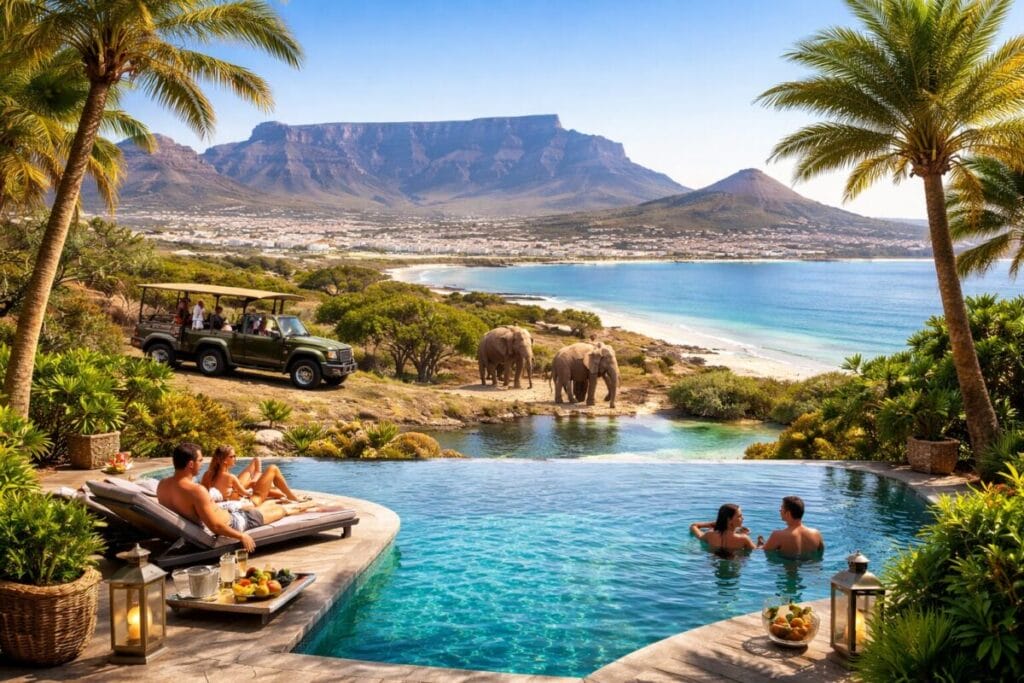
Travellers seek immersive experiences rather than traditional stays. Luxury safari lodges now offer personalised wildlife encounters, gourmet dining, and exclusive private tours. Urban luxury hotels provide modern design, rooftop views, and curated local experiences.
Cape Town, Johannesburg, and the Western Cape wine regions remain major hubs for upscale tourism. Safari destinations such as Kruger National Park and private reserves also see strong demand. The blend of affordability and premium quality gives South Africa a competitive advantage over many African destinations.
Wellness Tourism Expands Rapidly
Wellness tourism continues to reshape global travel trends, and South Africa is capitalising on this shift. Visitors increasingly look for relaxation, health-focused experiences, and digital detox retreats.
Luxury wellness resorts now offer spa therapies, yoga retreats, holistic healing programs, and nature-based experiences. Mountain regions, coastal areas, and private game reserves provide peaceful settings for wellness travel.
The country’s climate, scenic landscapes, and biodiversity make it ideal for wellness-focused holidays. Retreats combine outdoor activities such as hiking and meditation with luxury amenities. This growing segment attracts high-spending travellers seeking balance between relaxation and adventure.
E-Visa System Simplifies Travel Planning
South Africa’s streamlined e-visa system plays a crucial role in boosting visitor numbers. The digital application process reduces paperwork and simplifies entry requirements for many international travellers.
Previously, complex visa procedures discouraged potential visitors from certain markets. The new system allows travellers to plan trips more easily and encourages spontaneous travel decisions. Faster processing times also improve the overall visitor experience.
Simplified entry procedures position South Africa as a convenient destination compared with countries where visa processes remain lengthy or restrictive.
Expanded Air Connectivity Strengthens Global Access
Air travel expansion has transformed South Africa’s accessibility. Major international airports in Johannesburg and Cape Town now connect directly to key cities across Europe, Asia, the Middle East, and the Americas.
New routes and increased flight frequencies reduce travel time and improve convenience. Airlines continue to add capacity as demand rises. These developments help South Africa become a gateway to African travel.
Improved connectivity also benefits regional tourism. Visitors often combine South Africa with neighbouring destinations, boosting overall tourism activity across the continent.
Government Investment Supports Tourism Infrastructure
Tourism growth does not happen without strong infrastructure. Authorities have invested heavily in airport upgrades, road networks, and visitor facilities. Digital systems streamline bookings, payments, and travel planning.
Public and private sectors collaborate to promote sustainable tourism. Conservation efforts and responsible travel initiatives help preserve natural resources while supporting local communities.
Growing international arrivals highlight the success of these investments. South Africa is no longer just a regional travel option. It is becoming a global destination competing with leading tourism markets worldwide.
How Competitors Compare Across Africa
Morocco’s Cultural Appeal
Morocco remains strong in heritage tourism. Its historic cities, markets, and architecture attract millions. However, its tourism offerings focus heavily on culture and heritage. South Africa’s wider range of experiences gives it an edge in diversification.
Egypt’s Ancient Attractions
Egypt draws travellers through iconic historical landmarks. Luxury resorts along the Red Sea continue to grow. Yet South Africa benefits from broader travel experiences, including wildlife, urban culture, and wellness tourism.
Zimbabwe and Tanzania in Safari Tourism
Zimbabwe and Tanzania excel in wildlife tourism. Victoria Falls, the Serengeti, and other natural wonders attract adventure travellers. However, limited air connectivity and fewer luxury infrastructure options slow large-scale growth compared with South Africa.
Ghana, Seychelles, and Other Niche Destinations
Ghana grows steadily in cultural tourism, while Seychelles dominates luxury beach travel. These destinations attract niche markets but lack the scale and diversified offerings that drive South Africa’s rapid expansion.
Nature, Culture, and Luxury Create a Unique Advantage
South Africa’s tourism success lies in its variety. Visitors can explore wildlife safaris, scenic coastlines, vibrant cities, and wine regions within a single trip. Iconic landscapes and rich cultural experiences combine with modern luxury.
Adventure activities, culinary tourism, art scenes, and heritage sites further enhance the visitor experience. This diversity allows the country to attract multiple traveller segments, from budget explorers to ultra-luxury guests.
Future Outlook: Continued Growth and Global Influence
Industry experts expect South Africa’s tourism sector to keep expanding. More international hotel brands plan to enter the market. Airlines continue to explore new routes as demand grows.
Luxury tourism, wellness experiences, digital visa systems, and improved connectivity will likely remain key drivers. These factors position South Africa to maintain leadership in African tourism.
As the country strengthens its global profile, tourism will generate economic benefits, create jobs, and encourage cultural exchange. South Africa’s strategy shows how innovation, infrastructure, and unique experiences can transform a destination into a global travel leader.
For more travel news like this, keep reading Global Travel Wire