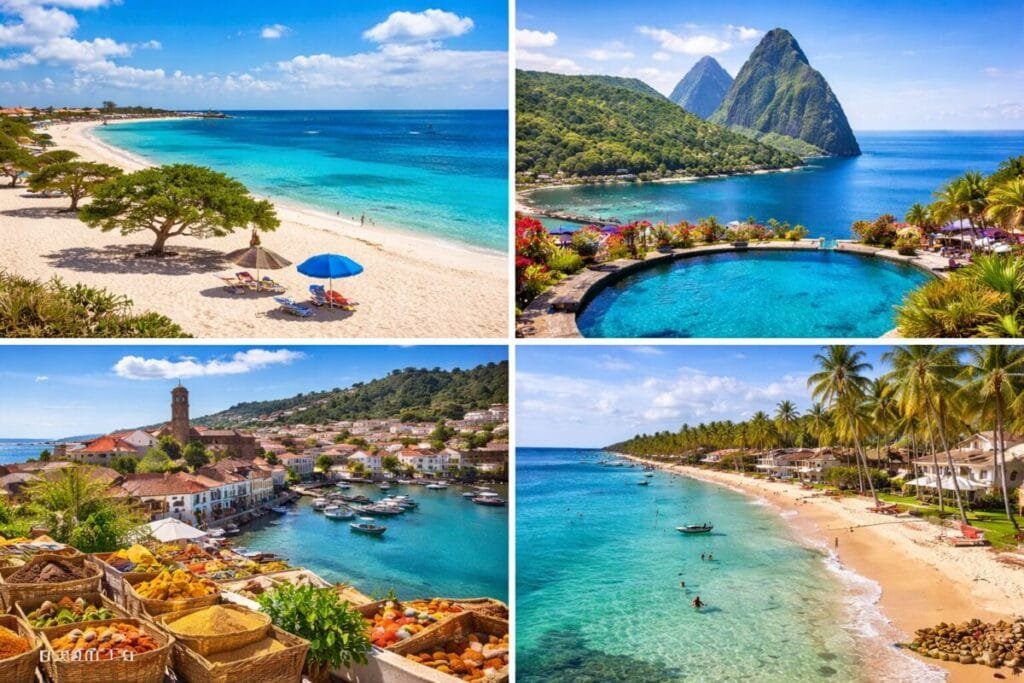
Caribbean travel now centers on individuality rather than uniform resort stays. Travelers want destinations that match their lifestyle, values, and interests. Each Caribbean island offers a different atmosphere, culture, and landscape.
This shift drives longer stays and deeper engagement with local communities. Tourism authorities now promote identity rather than imitation. Travelers respond by choosing islands that align with personal passions.
Grenada, St. Lucia, Aruba, and Barbados lead this movement through clearly defined experiences. These destinations prove that diversity drives the future of Caribbean tourism.
Aruba Delivers Reliable Sunshine and Diverse Landscapes
Aruba attracts travelers who seek guaranteed sunshine throughout the year. The island sits outside the hurricane belt, which ensures stable weather across seasons. Families and first-time Caribbean visitors often prefer this reliability.
The island also offers striking geographic contrast. Soft white beaches line one coast, while rugged desert terrain defines the opposite shore. Visitors enjoy beach relaxation, hiking, and photography within one destination.
Aruba’s tourism strategy focuses on accessibility and comfort. Modern infrastructure supports easy exploration while preserving natural beauty. This balance keeps Aruba among the most visited Caribbean islands.
Grenada Showcases Authentic Culture and Natural Richness
Grenada appeals to travelers who value authenticity and sustainability. Locals call the island the Spice Isle due to widespread nutmeg and cinnamon production. The scent of spices fills markets and villages.
Visitors explore rainforests, waterfalls, and uncrowded beaches. Community markets showcase crafts, produce, and local flavors. These experiences connect travelers with daily island life.
Grenada promotes responsible tourism through agriculture and heritage. The island avoids overdevelopment and supports local ownership. This approach attracts travelers who seek meaningful connections.
St. Lucia Inspires Adventure, Romance, and Wellness
St. Lucia stands out through dramatic natural scenery. The Piton mountains dominate the skyline and attract hikers and photographers. Lush rainforests surround volcanic beaches and hidden waterfalls.
Adventure seekers enjoy ziplining, diving, and guided nature walks. Couples choose St. Lucia for honeymoons and romantic escapes. Wellness travelers appreciate open-air resorts and natural hot springs.
Local cuisine adds depth to the experience. Creole flavors reflect African, French, and Caribbean influences. Dining becomes part of the cultural journey.
Barbados Combines Luxury, Culture, and Energy
Barbados delivers variety that suits many travel styles. The island blends upscale resorts with vibrant local culture. Visitors experience refined comfort without losing authentic charm.
The Platinum Coast features luxury hotels, calm waters, and championship golf courses. Travelers seeking elegance and relaxation often choose this area. The west coast also attracts snorkeling and sailing enthusiasts.
Barbados also offers lively nightlife and music scenes. St. Lawrence Gap draws visitors with restaurants, clubs, and beach bars. This energy balances the island’s polished image.
Tourism Growth Rewards Distinct Island Identities
Tourism success now depends on clear identity rather than mass appeal. Travelers reject generic experiences and favor destinations with purpose. Islands that protect culture and environment gain long-term loyalty.
Economic benefits follow this strategy. Visitors stay longer and spend more when experiences feel meaningful. Local businesses thrive through tours, markets, and cultural events.
Governments and tourism boards now support niche positioning. They invest in heritage preservation, environmental protection, and community tourism programs.
Caribbean Travel Aligns With Global Trends
Global travel trends emphasize sustainability, wellness, and personalization. Caribbean destinations adapt by highlighting unique strengths. Grenada promotes agriculture and nature. St. Lucia emphasizes wellness and romance.
Aruba focuses on climate reliability and family travel. Barbados balances luxury with cultural vibrancy. These approaches attract different traveler profiles without competition.
This diversity strengthens the region as a whole. Travelers often return to explore other islands after positive experiences.
Choosing the Right Island Shapes the Entire Journey
Travelers achieve better experiences by matching destinations to expectations. Beach lovers enjoy Aruba and Barbados. Nature enthusiasts prefer St. Lucia and Grenada. Culture seekers find depth across all four islands.
Understanding these differences helps travelers plan smarter trips. It also supports sustainable tourism growth. Destinations retain character while meeting modern demand.
The Caribbean no longer offers one story. Each island tells its own.
The Caribbean’s Future Celebrates Difference, Not Sameness
Grenada, St. Lucia, Aruba, and Barbados prove that individuality drives tourism success. These islands reject uniform development and protect unique identities. Travelers reward this authenticity with loyalty and engagement.
Modern Caribbean travel thrives on choice and character. Whether travelers seek spice-scented markets, volcanic landscapes, endless sunshine, or refined coastal luxury, the perfect island awaits.
The Caribbean’s strength lies in contrast, and these destinations lead the way.
For more travel news like this, keep reading Global Travel Wire