A Jet2 flight traveling from Antalya to Manchester diverted to Brussels after a violent altercation broke out between passengers mid-flight. The incident occurred on February 13, 2026, and forced the pilot to make an unscheduled landing to restore safety onboard. The event has sparked renewed discussions about passenger behavior, aviation safety, and airline policies designed to prevent disruptions.
Airlines worldwide continue facing challenges related to disruptive passengers. Industry experts stress that safety remains the top priority for airlines and regulators.
Mid-Air Conflict Escalates Into Physical Altercation
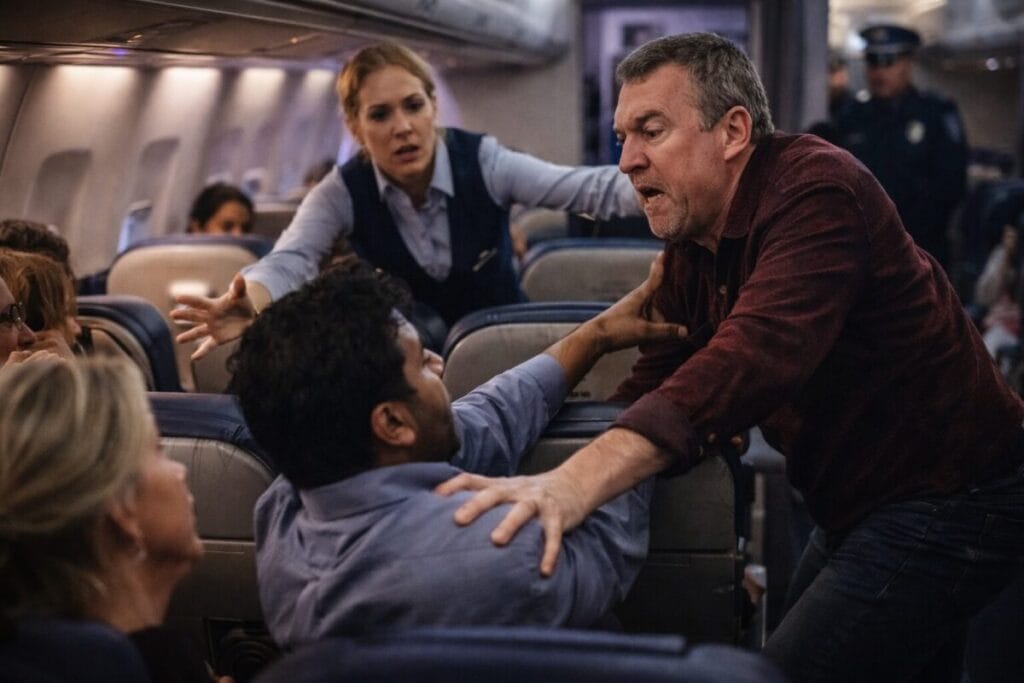
The disturbance began during the flight when tensions developed between passengers. Witnesses reported escalating arguments that eventually turned physical. Cabin crew attempted to calm the situation, but the conflict intensified and threatened the safety of others onboard.
Passengers described a chaotic atmosphere as individuals shouted and fought while others watched in distress. Families with children and elderly travelers reportedly felt alarmed by the unfolding situation.
Flight crews follow strict procedures during disturbances. When crew members cannot regain control, pilots must consider diversion to protect passengers and staff. In this case, the pilot diverted the aircraft to Brussels for police intervention.
Emergency Landing Allows Law Enforcement Response
After landing in Brussels, local authorities boarded the aircraft and removed the individuals involved. Police escorted the disruptive passengers away from the plane while airline staff assisted affected travelers.
Once authorities completed their intervention, the aircraft continued its journey to Manchester. The diversion caused several hours of delay, which disrupted travel plans for many passengers onboard.
Diversions carry significant operational consequences for airlines. They increase fuel costs, create scheduling challenges, and affect crew duty limits. Airlines often pursue compensation claims when passenger misconduct causes disruptions.
Jet2 Enforces Zero-Tolerance Policy for Disruptive Behavior
Jet2 responded quickly by condemning the behavior and imposing lifetime bans on the individuals involved. The airline emphasized its commitment to providing safe travel environments, especially for families and leisure travelers.
Zero-tolerance policies have become common across the aviation industry. Airlines aim to deter disruptive actions by enforcing strict penalties, including bans and legal consequences. Many carriers also seek reimbursement for costs linked to diversions.
Airline representatives reminded travelers that aggressive behavior, harassment, or intoxication can lead to serious consequences. Maintaining respectful conduct remains essential for safe and comfortable travel experiences.
Alcohol and Conflict Risks in Modern Air Travel
Reports suggested that alcohol consumption played a role in the incident. Aviation experts note that alcohol can increase conflict risk in confined environments like aircraft cabins. Airlines often monitor alcohol service closely to prevent escalation.
Cabin crews receive training to identify signs of intoxication and manage potential risks. However, conflicts sometimes develop despite preventative measures. Airlines continue evaluating policies that limit alcohol service during flights.
Industry organizations encourage responsible passenger behavior to reduce incidents. Respectful communication and awareness of cultural differences help prevent misunderstandings during international travel.
Impact on Business and Leisure Travelers
Flight diversions affect passengers in many ways. Travelers may miss connecting flights, business meetings, or planned activities. Unexpected delays also create additional stress and logistical challenges.
On this flight, passengers experienced extended travel times due to the diversion. Business travelers faced scheduling disruptions, while leisure travelers encountered unexpected delays during their journeys.
Family-focused airlines place strong emphasis on passenger comfort and safety. Incidents involving aggressive behavior can influence traveler perceptions and impact airline reputation.
Despite disruptions, many passengers praised crew members for maintaining professionalism under pressure. Effective crew response plays a crucial role in protecting travelers during emergencies.
Aviation Industry Focuses on Preventing Future Incidents
Airlines and aviation regulators continue developing strategies to address disruptive behavior. Training programs teach cabin crew how to de-escalate conflicts and manage challenging situations. Enhanced reporting systems also help airlines identify patterns and improve policies.
International aviation authorities emphasize cooperation between airlines, airports, and law enforcement agencies. Rapid response during diversions ensures safety while minimizing operational delays.
Some airlines introduce awareness campaigns to remind passengers about behavior expectations. Clear communication regarding penalties helps reduce incidents and promotes responsible travel.
Lessons for Travelers: Responsible Behavior Matters
This incident highlights the importance of maintaining respectful behavior during flights. Aircraft cabins create shared environments where cooperation ensures a comfortable journey for everyone.
Travelers should remain mindful of cultural sensitivities, especially on international routes. Respectful communication helps prevent misunderstandings that may escalate into conflicts.
Responsible alcohol consumption also plays a key role in maintaining safety. Airlines encourage passengers to drink moderately and follow crew instructions at all times.
Passengers who witness disruptive behavior should inform cabin crew immediately. Early intervention allows staff to address issues before they escalate.
Broader Implications for Tourism and Aviation Safety
The diversion reflects broader challenges facing global aviation as travel demand continues to grow. Increased passenger volumes create more opportunities for conflict, which requires stronger policies and enforcement measures.
Airlines continue investing in training, technology, and passenger education to reduce risks. Maintaining a safe environment supports tourism growth by ensuring positive travel experiences.
For tourism destinations like Antalya and Manchester, reliable air travel remains essential for business and leisure travel. Incidents that disrupt flights highlight the importance of cooperation between airlines, passengers, and authorities.
Looking Ahead: Strengthening Safe and Respectful Air Travel
Jet2’s response demonstrates how airlines enforce accountability while prioritizing safety. Lifetime bans and potential legal action send strong signals about unacceptable behavior.
As global tourism expands, industry stakeholders must balance accessibility with safety standards. Clear policies, responsible passenger behavior, and effective crew training will shape the future of air travel.
Ultimately, safe journeys depend on shared responsibility. Airlines provide structured safety systems, but passengers also play a critical role by respecting others and following rules during every flight.
For more travel news like this, keep reading Global Travel Wire