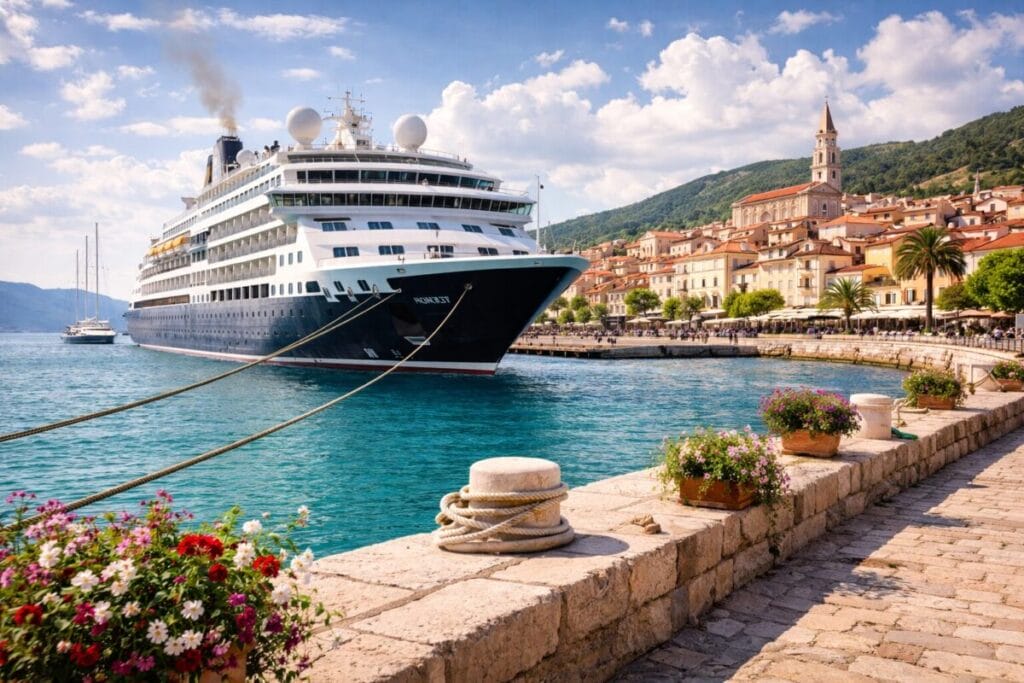
Europe’s cruise tourism sector is undergoing a significant transformation in 2026 as major ports across the Mediterranean shift toward sustainability, smaller vessels, and deeper cultural engagement. Destinations such as Barcelona and Venice are leading this evolution, implementing new strategies designed to address environmental concerns, manage visitor numbers, and create more meaningful travel experiences. The changes reflect a broader shift across the European tourism landscape, where policymakers and industry leaders are working together to balance economic growth with environmental protection and community wellbeing.
For travelers, this transformation promises a different style of cruising—one that prioritizes immersive experiences, responsible travel practices, and closer connections with local culture rather than mass tourism alone.
Barcelona and Venice Lead the Transition to Sustainable Ports
Two of Europe’s most iconic cruise destinations, Barcelona and Venice, are setting new benchmarks for how cruise tourism can evolve responsibly. Both cities have faced challenges related to overtourism and environmental pressures, prompting authorities to introduce regulations that reshape how cruise ships operate.
Barcelona has launched initiatives to reduce congestion and emissions by limiting port capacity and encouraging the use of cleaner technologies. Plans to streamline cruise terminals aim to reduce passenger volumes while enhancing infrastructure for sustainable operations. One of the key advancements includes shore power systems that allow ships to connect to local electricity grids while docked, significantly reducing fuel emissions in port areas.
Venice has taken a different but equally impactful approach by restricting the entry of large cruise ships into its historic lagoon. These measures protect the fragile ecosystem and preserve the city’s architectural heritage. By diverting mega-ships to alternative locations and encouraging smaller vessels, Venice is redefining cruise tourism to better align with environmental conservation and urban sustainability goals.
Smaller Ships Offer a More Personal Travel Experience
The growing emphasis on smaller ships is transforming how travelers explore Europe. Unlike mega-ships carrying thousands of passengers, smaller vessels provide access to more intimate ports and less crowded destinations. This shift allows cruise lines to introduce unique itineraries that highlight regional traditions, hidden cultural sites, and local communities often overlooked by larger tourism models.
Travelers are increasingly drawn to this style of cruising because it offers a more relaxed pace and authentic engagement with destinations. Smaller ships can dock in ports across Italy, Croatia, Greece, and other Mediterranean regions where large vessels cannot easily operate, creating opportunities for visitors to discover lesser-known villages and natural landscapes.
Cultural Immersion Becomes the New Standard
A defining trend in European cruising for 2026 is the rise of culturally immersive shore excursions. Cruise operators are moving beyond traditional sightseeing tours to offer experiences that encourage meaningful interaction with local communities.
These experiences may include cooking classes with regional chefs, guided cultural walks led by local historians, cycling tours through agricultural landscapes, and visits to artisan workshops. Such programs are designed to distribute tourism benefits more evenly while providing travelers with deeper insights into regional traditions.
Destinations like Athens, Dubrovnik, and Malaga have embraced this approach by collaborating with local businesses and cultural organizations. The result is a more balanced tourism ecosystem that supports local economies while enhancing visitor satisfaction.
Sustainability Drives Industry Innovation
Environmental responsibility has become a central focus for the European cruise industry. Cruise lines are investing heavily in cleaner technologies, including ships powered by alternative fuels and advanced energy systems that reduce emissions.
Onboard initiatives also reflect this shift, with increased emphasis on waste reduction, responsible sourcing, and eco-friendly operations. Many ships now implement advanced recycling systems, eliminate single-use plastics, and promote sustainable dining options that highlight locally sourced ingredients.
Port authorities are also adapting by developing green infrastructure that supports low-emission operations. Shore power installations, improved waste management systems, and stricter environmental standards are becoming common across major European cruise hubs.
These initiatives align with broader European sustainability policies aimed at reducing carbon footprints and encouraging environmentally responsible travel.
Innovative Experiences Expand Cruise Appeal
The evolving cruise landscape is also introducing creative experiences that attract new audiences. Some cruise lines are partnering with major sporting and entertainment brands to offer themed itineraries that combine travel with exclusive events.
For example, race-themed voyages and cultural festivals at sea are gaining popularity, allowing passengers to combine iconic experiences with exploration of European destinations. These innovative offerings reflect the industry’s effort to diversify and appeal to travelers seeking more than traditional cruising.
Secondary Ports Gain Importance
As major cities regulate visitor numbers, secondary Mediterranean ports are emerging as key beneficiaries of the shift toward smaller ships. Destinations previously overshadowed by popular cruise hubs are now receiving increased attention, helping to distribute tourism flows more evenly across the region.
This approach reduces pressure on overcrowded cities while promoting economic growth in smaller communities. Travelers benefit by gaining access to authentic experiences and quieter destinations that offer a more personal connection to local culture.
The Future of European Cruise Tourism
The changes shaping European cruise travel in 2026 signal a broader transformation in how the industry operates. Sustainability, cultural authenticity, and responsible tourism are becoming central pillars of the cruise experience, reflecting evolving traveler expectations and environmental priorities.
By embracing smaller ships, eco-conscious practices, and immersive itineraries, European ports are redefining what it means to cruise through the Mediterranean and beyond. This new direction ensures that tourism continues to thrive while preserving the natural and cultural heritage that makes Europe one of the world’s most sought-after travel regions.
As the industry moves forward, travelers can expect cruises that are more personal, environmentally responsible, and culturally enriching—marking a new era for European maritime tourism.
For more travel news like this, keep reading Global Travel Wire