A trans-Tasman flight between Australia and New Zealand recently drew global attention after an unusual onboard biohazard incident led to a dispute over passenger compensation. The situation unfolded on a Qantas Airways service from Melbourne to Auckland and quickly became a topic of discussion across the aviation and tourism sectors.
The airline has since issued a full refund to the affected traveler after initially declining reimbursement. The case highlights rising expectations around airline accountability, cabin hygiene standards, and customer care on busy international routes.
Unexpected Incident on a Busy Trans-Tasman Route
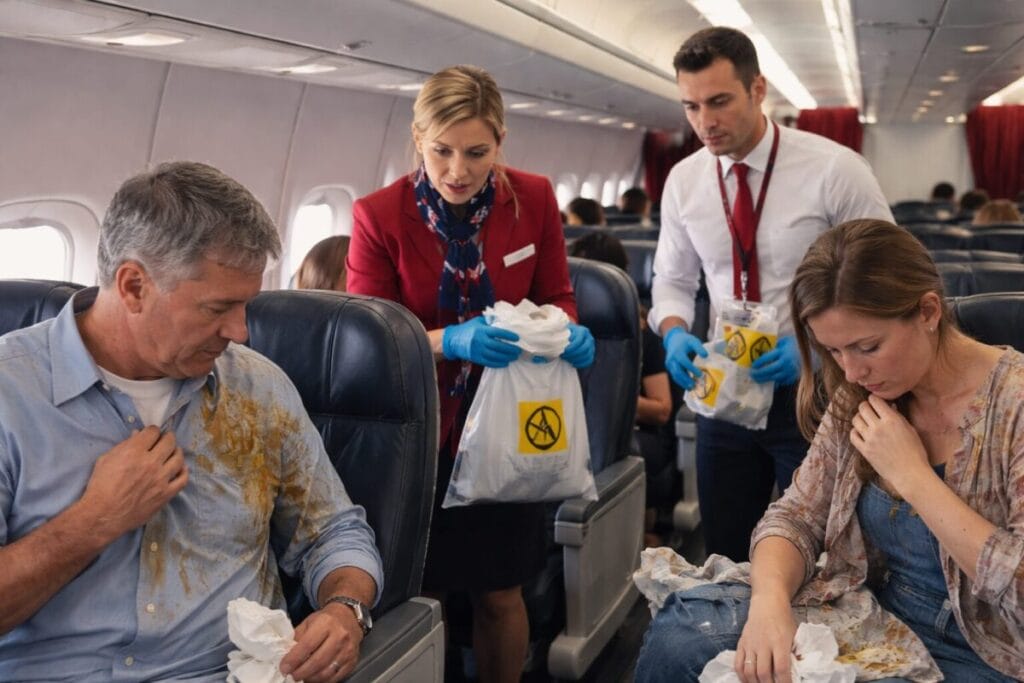
The event occurred during taxi procedures at Melbourne Airport before departure to Auckland. According to reports, a passenger nearby became suddenly ill, resulting in bodily fluids contaminating adjacent seats and passengers.
Aircraft cabins are confined environments where incidents involving illness can quickly affect multiple travelers. Nearby passengers reportedly experienced discomfort and distress as clothing and personal items were impacted.
Cabin crew responded with available cleaning supplies. However, the severity of the situation exceeded onboard resources. The aircraft eventually returned to the gate so affected passengers could disembark and access proper cleaning facilities before departure.
The Melbourne–Auckland corridor remains one of the busiest routes connecting Australia and New Zealand, serving both tourism and business travelers. High passenger volumes often limit seating flexibility, which can make managing unexpected incidents more complex.
Compensation Claim Leads to Dispute
After the incident, the affected traveler submitted a claim requesting reimbursement for cleaning costs and related expenses. The airline initially rejected the claim, stating that the illness of another passenger fell outside circumstances within its direct operational control.
This decision triggered frustration and sparked debate among travelers and aviation observers. Many viewed the situation as a test of how airlines handle exceptional hygiene events and customer care responsibilities.
Public discussion grew quickly once details appeared online. Questions arose about compensation policies and how airlines interpret responsibility when incidents involve medical emergencies rather than operational failures.
Internal Review Results in Refund
Following further review, Qantas acknowledged that the claim had been incorrectly handled due to an internal referral error. The airline reassessed the case and issued a full refund to the affected passenger.
The airline clarified that the reversal resulted from administrative correction rather than a change in compensation policy. Nevertheless, the outcome reinforced the importance of efficient internal processes when dealing with complex customer claims.
For airlines operating international services, especially those representing national brands, swift resolution can help maintain customer trust and avoid reputational risks.
Biohazard Events and Aviation Safety Protocols
Incidents involving bodily fluids present unique challenges for airline crews. Aviation health guidelines require quick action to reduce contamination and protect passenger safety. Airlines typically carry biohazard kits that include gloves, absorbent materials, and disinfectants for managing spills or minor contamination.
However, severe incidents may require returning to the gate or delaying departure. Crew members must balance operational timelines with passenger well-being, sanitation protocols, and regulatory requirements.
Government aviation authorities and health agencies recommend isolating affected areas when possible. Yet reseating passengers can be difficult on full flights, which increases reliance on post-incident support and customer service solutions.
The Melbourne–Auckland case demonstrates how rapidly such situations can evolve from operational disruptions into customer experience challenges.
Changing Passenger Expectations in Modern Aviation
Today’s travelers expect airlines to respond quickly and empathetically when unexpected events occur. Social media and digital communication platforms amplify passenger voices, increasing transparency across the aviation industry.
Even when incidents fall outside airline control, passengers often judge companies based on how effectively they handle the aftermath. Clear communication, timely assistance, and practical solutions play a major role in shaping public perception.
In competitive aviation markets like Australia and New Zealand, service reputation remains a key factor influencing traveler loyalty. Airlines may choose discretionary compensation to preserve goodwill, even when policies do not strictly require it.
Operational and Reputational Impacts
High-profile routes often attract greater scrutiny when incidents occur. The trans-Tasman travel market connects major tourism hubs and supports significant economic activity between the two countries.
Public attention on this case expanded beyond hygiene concerns to include discussions about internal administrative accuracy. The rapid spread of passenger stories online shows how digital platforms can accelerate pressure on airlines to respond.
For major carriers, operational decisions increasingly intersect with brand management strategies. Addressing issues promptly can reduce long-term reputational damage.
Lessons for Airlines and Travelers
The incident highlights several lessons for the aviation sector:
- Accurate internal claim handling remains essential to avoid escalation.
- Clear procedures for biohazard situations help maintain passenger confidence.
- Transparent communication reduces misunderstanding during disputes.
For passengers, documenting incidents and maintaining records of expenses can support successful claims if issues arise.
A Broader Conversation About Airline Accountability
The resolution of the Melbourne–Auckland biohazard dispute reflects evolving expectations across the travel industry. Airlines now operate in an environment where transparency and responsiveness strongly influence customer trust.
By issuing a full refund, Qantas addressed concerns that extended beyond a single flight. The case shows how administrative errors and unusual onboard events can quickly shape wider conversations about aviation standards.
As international travel continues to grow, airlines may need to refine both operational protocols and customer care strategies. Effective handling of unexpected incidents remains crucial to maintaining confidence in modern air travel.
For more travel news like this, keep reading Global Travel Wire