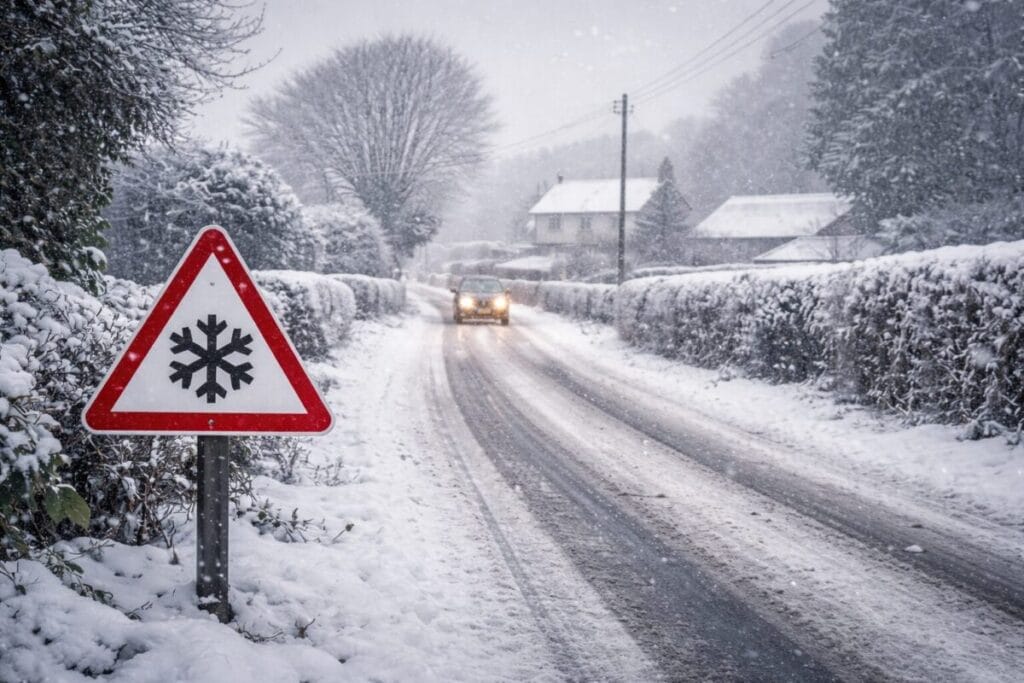
The United Kingdom is preparing for a sharp winter weather shift that could disrupt travel across major tourist destinations. Forecasts predict snow, ice, and widespread frost over the coming days. Travelers expecting mild late-winter conditions may face delays, colder temperatures, and hazardous journeys instead.
Weather experts warn that temperatures will fall below seasonal averages. Sunny spells will appear at times, but cold air and blustery showers will dominate. These rapidly changing conditions may affect both local commuters and international visitors exploring the country.
Tourism authorities urge travelers to plan ahead, dress warmly, and remain flexible with travel schedules.
Snowfall Expected in Northern Regions
Northern Scotland is likely to experience the most intense winter conditions. Snow showers may continue across Highland routes and popular scenic drives. Areas near the Cairngorms and well-known touring routes such as coastal highways could become difficult to navigate.
Elsewhere in Scotland, Northern Ireland, and parts of northern and eastern England, clearer skies overnight will allow temperatures to drop sharply. Frost and icy patches may form on untreated roads and pavements. This raises safety concerns for visitors traveling between cities like Edinburgh, Belfast, Newcastle, and York.
Drivers should expect slower traffic and potential disruptions on rural roads and higher elevations.
Cold and Bright Start Followed by Increasing Cloud
Tuesday will begin with a cold but bright start across much of the country. Early sunshine may encourage visitors to explore historic attractions and city centers. Destinations such as London, Bath, and Oxford could see crisp but pleasant morning conditions.
However, scattered showers remain possible, especially in northern and eastern areas. Coastal regions and upland routes may briefly see wintry bursts. Later in the day, cloud cover is expected to build across southwestern England.
Popular holiday regions including Cornwall and Devon could turn cloudier by afternoon. Temperatures will likely stay below average, maintaining the chilly feel despite sunny intervals.
Midweek Weather Split Across the UK
Forecasters anticipate a north-south divide from midweek onward. Northern regions may stay mostly dry but cold, while southern areas face periods of rain and hill snow.
Cities such as Glasgow and Aberdeen could experience more settled weather, though frost will continue overnight. In contrast, higher ground in southern Britain may see snow accumulation. Areas like the Brecon Beacons, Dartmoor, and Exmoor carry increased risk due to colder air interacting with incoming rain bands.
By Friday, a larger weather system may move in from the west. This could bring steady rain to western travel gateways such as Bristol, Cardiff, and Liverpool. Conditions may shift from snowy and icy to wetter but still cold.
Tourist Hotspots Likely to Feel the Impact
Several popular travel destinations may experience disruptions as winter weather intensifies.
Scotland and the Highlands
Snow and ice could affect mountain routes, scenic drives, and outdoor attractions. Travelers should prepare for sudden weather changes and limited visibility in higher elevations.
Northern Ireland
Frosty nights and icy surfaces may create challenging conditions for drivers and pedestrians. City breaks may continue, but early morning caution is essential.
Eastern England
Coastal towns along the North Sea and historic cities such as York and Newcastle may experience cold winds, frost, and occasional wintry showers.
Southern Uplands
National parks and upland hiking areas face the risk of hill snow. Visitors planning outdoor adventures should monitor conditions carefully.
South West England
Regions including Cornwall, Devon, and nearby coastal areas may see rain and cloudier skies. Driving conditions could worsen during heavier showers.
Tourism operators advise visitors to check local conditions frequently before starting journeys or outdoor excursions.
Safety Advice for Travelers
Travel specialists recommend several precautions during periods of snow and ice. Avoid unnecessary journeys when weather warnings are active. If travel is essential, plan routes carefully and allow extra time.
Drivers should carry warm clothing, blankets, water, and fully charged phones. Clearing ice from windscreens, lights, and number plates before departure improves safety and visibility.
Pedestrians should wear sturdy footwear with good grip. Black ice can form quickly on pavements, car parks, and shaded paths. Walking slowly and staying alert reduces the risk of slips and injuries.
Layered clothing helps maintain body heat. Staying dry and protected from wind lowers the risk of cold-related health problems.
What This Means for UK Tourism This Week
The upcoming weather pattern will give visitors a true taste of winter across the UK. Frosty mornings, sudden snow showers, and grey rainy spells may reshape travel plans. However, many attractions will remain open, and winter landscapes could offer dramatic scenery for those prepared for the cold.
Travel experts encourage flexible itineraries and careful planning. Monitoring official updates and allowing extra time for journeys will help travelers enjoy the country safely.
Despite the challenges, the mix of historic cities, coastal views, and snow-dusted countryside continues to attract visitors. With proper preparation, tourists can still experience the beauty of the UK while navigating this period of wintry weather safely.
For more travel news like this, keep reading Global Travel Wire