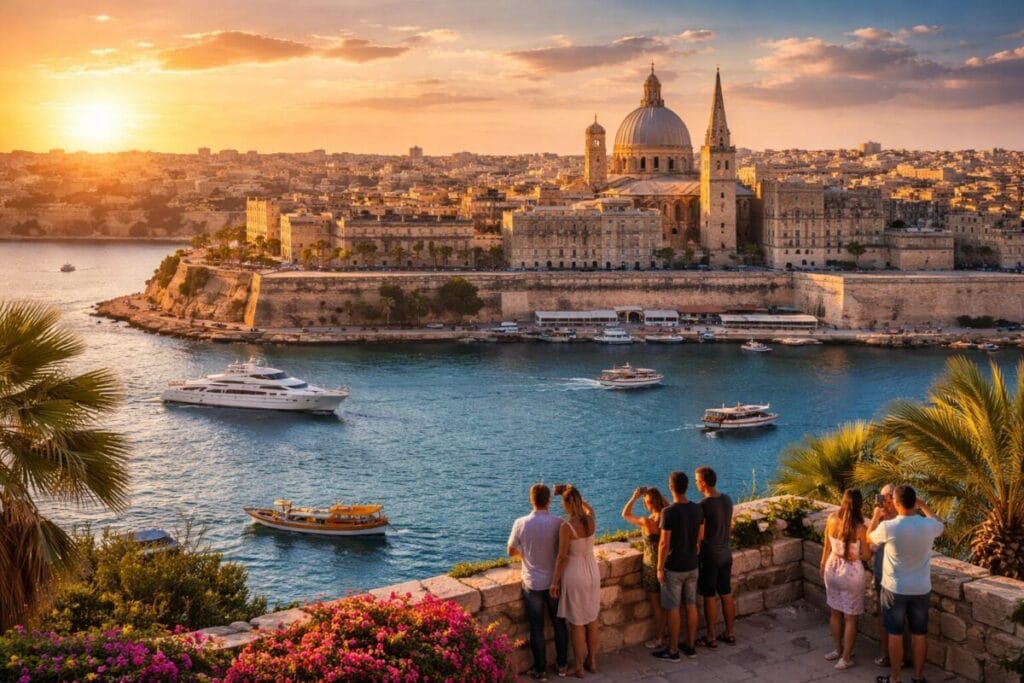
Malta has achieved a remarkable milestone in 2025. The Mediterranean archipelago welcomed more than four million visitors and recorded one of the strongest tourism revenue performances in Europe. Its rapid growth has surpassed several established destinations, including Poland, Spain, Finland, and Latvia.
The country’s success comes from a strategic shift. Malta now focuses on high-value tourism rather than mass arrivals. Officials emphasize cultural experiences, premium services, and sustainable travel models. This approach has helped the destination stand out in an increasingly competitive European tourism market.
Tourism authorities reported strong increases in both overnight stays and spending per visitor. Guest nights climbed sharply, while overall tourism revenue reached record levels. The island’s reputation as a quality destination continues to attract travelers willing to spend more and stay longer.
A Strategy Built Around High-Value and Sustainable Travel
Malta’s tourism expansion did not happen by chance. Authorities redesigned their tourism model to attract higher-spending travelers and reduce dependence on seasonal peaks.
The country invests heavily in heritage tourism, cultural festivals, luxury accommodation, and experiential travel. Visitors now explore historic cities, UNESCO-listed sites, coastal landscapes, and unique Mediterranean traditions. This focus encourages longer stays and deeper engagement with local culture.
Sustainability also plays a major role. Malta promotes environmental protection, improved waste management, and responsible visitor flows. Authorities aim to balance economic growth with environmental preservation.
By targeting year-round travel rather than summer-only demand, Malta spreads tourism benefits across the calendar. Off-season travel increased significantly in 2025, easing pressure on peak infrastructure while supporting local businesses throughout the year.
Poland Records Growth but Focuses on Volume Tourism
Poland also delivered strong tourism results in 2025. The country experienced noticeable growth in overnight stays, driven mainly by European travelers.
Historic cities such as Warsaw, Kraków, and Gdańsk attracted visitors with their cultural heritage and modern urban experiences. Improved infrastructure and enhanced marketing helped Poland gain more international visibility.
However, Poland’s tourism model still leans toward volume-driven growth. Average visitor spending remains lower compared to Malta’s premium-focused strategy. Authorities continue to invest in sustainability and year-round tourism initiatives, which could strengthen future performance.
Spain Maintains High Visitor Numbers but Faces Capacity Challenges
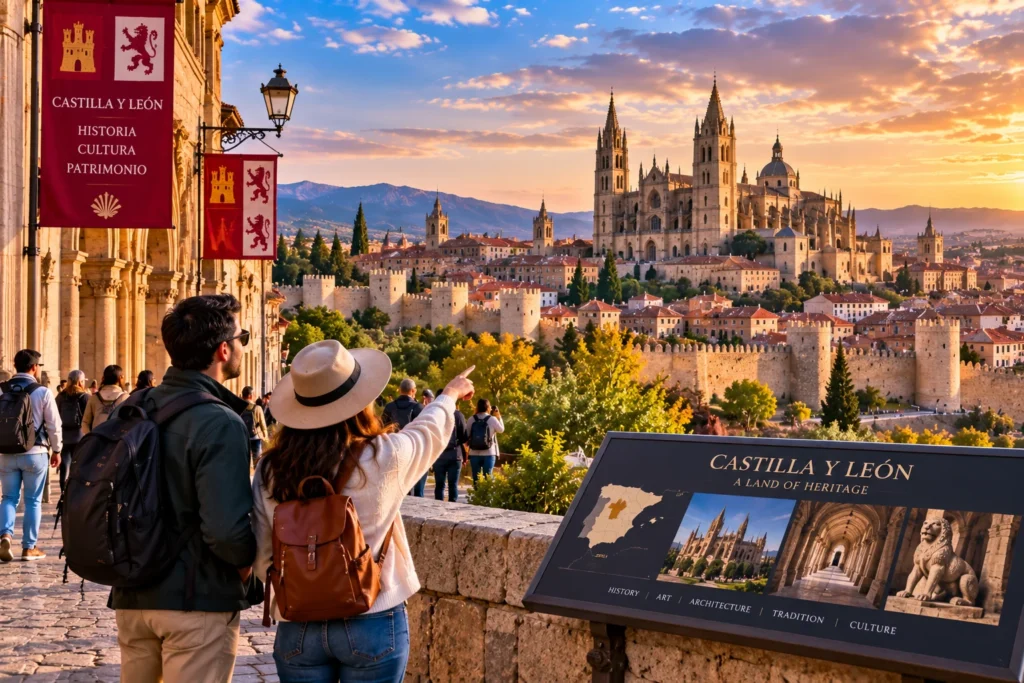
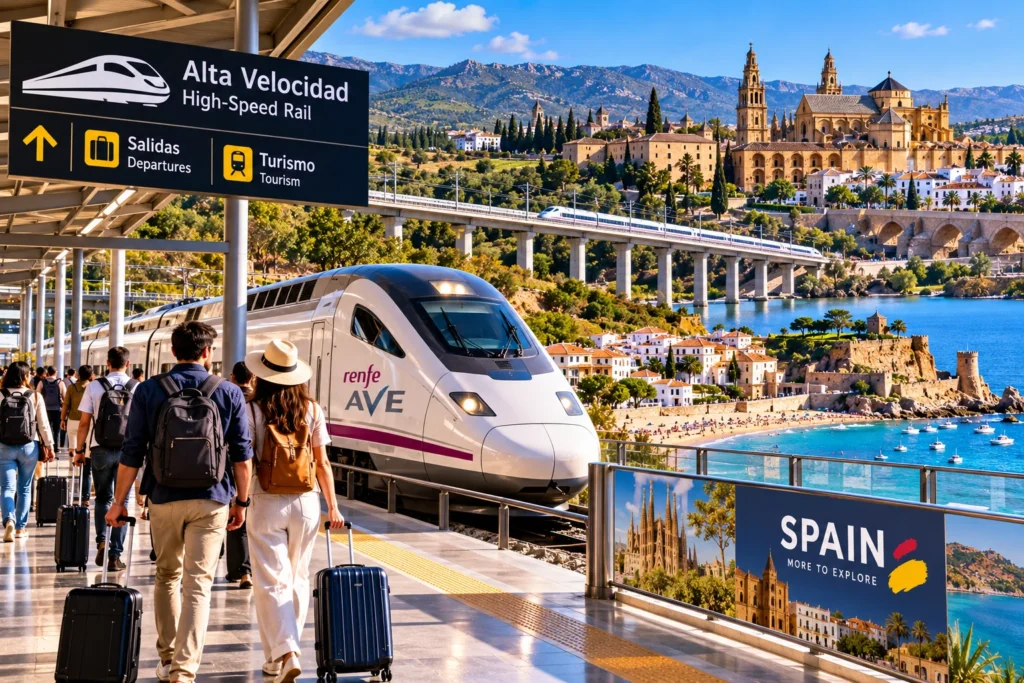
Spain remains one of Europe’s most popular destinations. The country welcomed massive visitor numbers again in 2025. Coastal resorts, major cities, and cultural landmarks continue to attract millions.
Yet growth has slowed compared to smaller markets. Many Spanish destinations already operate near capacity during peak seasons. This creates challenges related to overtourism, infrastructure pressure, and environmental sustainability.
Spanish tourism leaders increasingly promote diversification. They encourage travelers to explore lesser-known regions and off-season experiences. While Spain remains a tourism powerhouse, Malta’s faster growth highlights the advantage of targeting value instead of pure volume.
Finland Expands Nature-Based and Sustainable Tourism
Finland recorded impressive increases in international arrivals, particularly among travelers seeking eco-friendly and nature-focused experiences. National parks, lakes, and northern landscapes appeal strongly to environmentally conscious visitors.
Authorities emphasize sustainability, wellness tourism, and authentic Nordic experiences. These trends align with global demand for slower and more meaningful travel.
Despite strong growth, Finland’s tourism industry remains smaller compared to Mediterranean destinations. Malta’s broader appeal and stronger spending levels allow it to outperform in total revenue and overall market impact.
Latvia Strengthens Its Position as an Emerging European Destination
Latvia continues to gain recognition as a rising tourism market. Riga’s historic architecture, vibrant cultural scene, and Baltic coastline attract both regional and international travelers.
The country reported steady increases in overnight stays and continues to invest in infrastructure improvements. Tourism marketing highlights cultural heritage, music festivals, and coastal experiences.
While Latvia’s growth is impressive, overall tourism revenue and international demand remain lower than Malta’s record-breaking performance. Still, Latvia’s steady development signals strong future potential.
Year-Round Tourism Drives Malta’s Success
One of Malta’s biggest achievements lies in extending its tourism season. Off-peak travel surged in 2025 as authorities promoted cultural events, conferences, and long-haul connectivity.
New air routes and enhanced digital marketing helped attract visitors from distant markets. These efforts reduced reliance on summer tourism and supported consistent economic activity throughout the year.
Higher spending per visitor also boosted economic results. Travelers increasingly choose premium accommodations, guided experiences, and culinary tourism, raising average expenditure.
Managing Growth and Addressing Overtourism Concerns
Despite its success, Malta faces challenges linked to rapid tourism expansion. Environmental groups and local stakeholders have raised concerns about overcrowding in sensitive locations. Popular sites sometimes experience heavy visitor pressure, which impacts ecosystems and local quality of life.
Authorities acknowledge these challenges and are implementing stricter regulations and planning measures. Policies include improved visitor management, sustainable transport solutions, and environmental protection programs.
The goal remains clear: maintain growth without sacrificing community well-being or environmental health.
A Model for Europe’s Future Tourism Strategy
Malta’s 2025 performance demonstrates how smaller destinations can achieve strong results through strategic planning. By focusing on high-value experiences, sustainability, and year-round demand, the country has reshaped its tourism identity.
As European tourism continues to evolve, many destinations may look to Malta’s approach as a model. The balance between economic success and responsible growth could define the next era of travel across the continent.
Malta’s achievements show that tourism success no longer depends only on visitor numbers. Quality, sustainability, and smart planning now drive the industry’s future.
For more travel news like this, keep reading Global Travel Wire