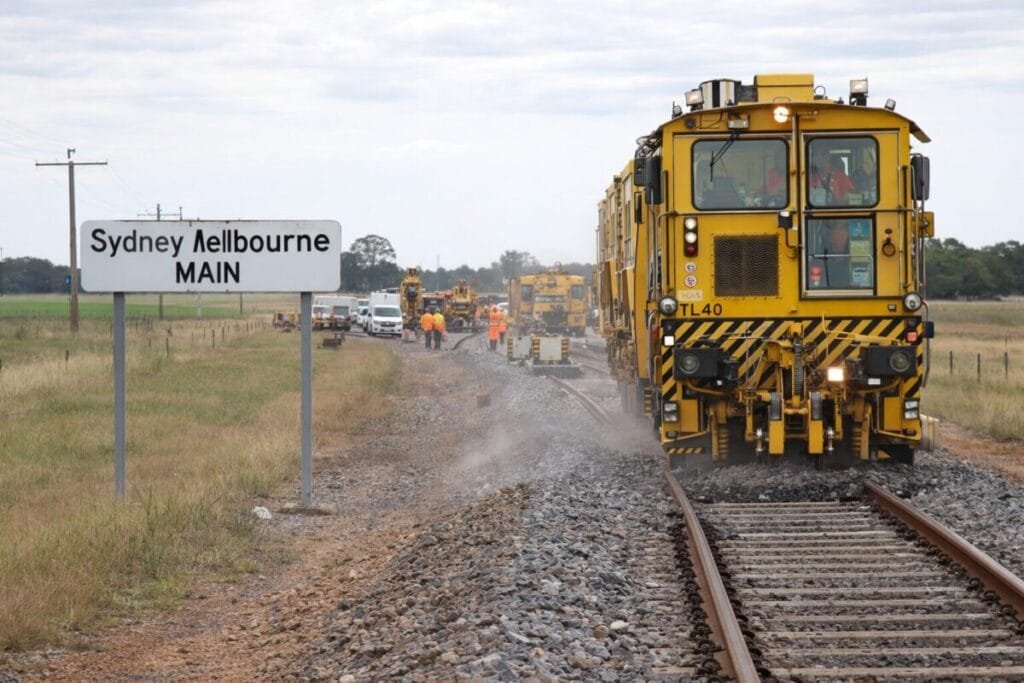
Travelers planning rail journeys between Sydney and Melbourne at the end of February 2026 should prepare for temporary disruptions, as the key interstate rail corridor will close for approximately 50 hours to allow essential maintenance and infrastructure improvements. The planned shutdown, coordinated by the Australian Rail Track Corporation (ARTC), will run from late Friday, 27 February, until early Monday, 2 March 2026.
While the short-term closure will affect passenger and freight services, the long-term objective is to strengthen one of Australia’s most significant rail routes, enhancing safety, resilience, and operational efficiency across New South Wales and Victoria.
Why the Closure Is Necessary
The Sydney–Melbourne rail corridor is a vital link in Australia’s national transport network. It supports interstate passenger services and carries substantial freight volumes between the country’s two largest cities. As travel demand and freight movement continue to grow, maintaining the integrity of this corridor has become increasingly important.
The upcoming works form part of ARTC’s broader maintenance strategy to future-proof the network. Over the 50-hour period, crews will carry out staged improvements across multiple sections of the line to ensure smoother operations and minimize the risk of unexpected disruptions later in the year.
Key Sections Affected
Maintenance activities will be conducted across several stretches of track:
- From Chullora Junction to Moss Vale in New South Wales, works will begin late on Friday night and continue through to early Monday morning.
- Between Moss Vale and Cootamundra, maintenance will take place primarily over the weekend.
- From Cootamundra in New South Wales to Somerton in Victoria, works will also proceed across Saturday and Sunday.
By staging works across different sections, ARTC aims to maximize efficiency and complete essential upgrades within the shortest possible timeframe.
What Work Will Be Carried Out
The closure will enable extensive track and infrastructure improvements, including:
- Track reconditioning and rail defect removal
- Re-sleepering and turnout component renewals
- Ballasting and tamping to stabilize the track base
- Signalling system upgrades
- Vegetation clearance to improve safety and visibility
- Mudhole remediation to prevent water-related track damage
These activities are designed to enhance ride quality, reduce speed restrictions, and improve long-term reliability for both passenger trains and freight services.
Stormwater and Flood Mitigation Improvements
A critical part of the upgrade program involves improving stormwater management along the corridor. New culverts will be installed at Yanderra and Yerrinbool in New South Wales as part of ongoing flood mitigation measures.
Extreme weather events have increasingly highlighted the importance of resilient infrastructure. By strengthening drainage systems and replacing outdated culverts, ARTC aims to reduce flood-related disruptions and protect track stability during heavy rainfall. These upgrades are particularly significant for maintaining uninterrupted services during adverse weather conditions.
Inland Rail and Future Expansion Works
In addition to maintenance, Inland Rail teams will use the shutdown period to carry out pre-construction and construction activities supporting long-term freight expansion.
One of the major goals is preparing the corridor for double-stacked freight trains, which require additional vertical clearance. Bridge demolition works, including structures in Wagga Wagga, New South Wales, and Broadford, Victoria, will contribute to this transformation.
These modifications are expected to significantly boost freight capacity, improving supply chain efficiency between Sydney and Melbourne. Enhanced freight movement will benefit industries nationwide while reducing pressure on road transport networks.
Alternative Transport for Passengers
During the closure, passenger services on the Sydney–Melbourne corridor will be replaced with alternative road transport arrangements. Coach services will operate in place of affected NSW TrainLink and interstate rail services, including long-distance routes linking the two cities.
Travelers are advised to plan ahead and allow additional travel time, as road transfers may extend journey durations. Authorities encourage passengers to check official transport channels closer to departure dates for updated timetables and detailed service information.
Although bus replacements may add inconvenience, the temporary adjustment ensures continuity of travel while vital rail upgrades are completed.
Safety Measures During Works
With heavy machinery and maintenance crews working along the corridor, safety remains a priority. Motorists near level crossings and road interfaces are urged to remain alert, obey traffic controls, and follow temporary signage.
Transport authorities will provide updates on any road closures or detours required during bridge demolition or construction activities. Ensuring safe interaction between road users and rail works is essential to preventing accidents during this intensive maintenance period.
Strengthening a National Transport Lifeline
The Sydney–Melbourne rail corridor plays a central role in Australia’s economic and tourism landscape. It connects two globally recognized cities and supports regional communities along the route. Ongoing investment in infrastructure helps maintain the reliability that both commuters and visitors depend on.
For tourism, dependable rail services offer a scenic and sustainable travel alternative between major urban centers. The route also provides access to regional destinations in New South Wales and Victoria, contributing to local economies and supporting domestic travel growth.
By prioritizing preventive maintenance and capacity expansion, ARTC aims to minimize unexpected disruptions in the future. Planned closures, while inconvenient in the short term, allow comprehensive upgrades to be completed safely and efficiently.
Looking Ahead
The February–March 2026 closure reflects a broader national strategy to modernize Australia’s rail infrastructure. As passenger expectations evolve and freight demand increases, infrastructure must keep pace with changing needs.
Once completed, the upgrades are expected to deliver smoother journeys, fewer delays, and improved resilience against weather-related challenges. For freight operators, enhanced track standards and increased clearance will unlock new efficiency gains along one of the country’s busiest corridors.
Travelers planning trips during the closure window should monitor official updates and adjust itineraries accordingly. In the long run, these essential improvements promise a safer, more reliable rail experience between Sydney and Melbourne, reinforcing the corridor’s importance for decades to come.
For more travel news like this, keep reading Global Travel Wire