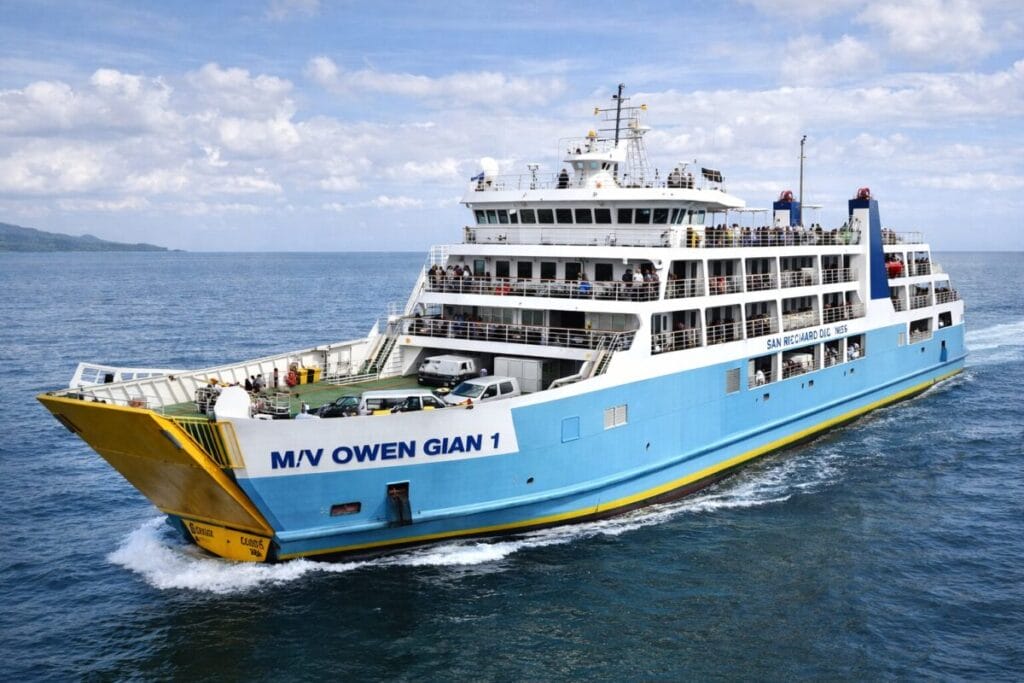
A new direct maritime connection between Naval in Biliran province and Matnog in Sorsogon is poised to redefine inter-island travel in the central Philippines, unlocking new tourism opportunities and strengthening regional connectivity. The planned launch of this sea corridor marks a major step forward for Eastern Visayas, enhancing accessibility for travelers while supporting the region’s ambitions to expand cruise tourism and multi-island exploration.
The route will be operated using M/V Owen Gian 1, a modern roll-on/roll-off vessel designed to carry both passengers and vehicles. Scheduled to begin service in March, the ferry will connect Matnog, Naval, and Calubian in Leyte, offering a faster and more direct alternative to existing travel routes that often require lengthy detours.
A Strategic Shift in Inter-Island Mobility
For decades, travelers moving between Southern Luzon and Biliran relied on indirect routes, frequently passing through major hubs such as Cebu. While functional, these routes increased travel time, added costs, and created logistical challenges for tourists seeking seamless island-hopping experiences.
The new Naval–Matnog corridor will cover approximately 70 to 80 nautical miles, significantly shortening travel durations and providing a more efficient option for both local residents and visitors. Improved maritime connectivity is expected to reshape travel patterns by making emerging destinations more accessible and encouraging cross-regional tourism.
Enhanced ferry links have historically played a key role in the Philippines’ tourism development. When new routes reduce travel barriers, lesser-known destinations often gain visibility, attracting new investment and expanding visitor flows.
Roll-On/Roll-Off Travel Expands Tourism Possibilities
The introduction of a roll-on/roll-off ferry service adds flexibility for travelers exploring the region. Passengers can bring private vehicles, motorcycles, or cargo, enabling road trips that combine land and sea travel across multiple islands.
This convenience is expected to appeal to domestic tourists from Luzon who want to explore Biliran’s natural attractions at their own pace. Greater mobility within the destination may encourage longer stays, diversify tourism spending, and support local businesses ranging from accommodation providers to adventure tour operators.
RORO services are also popular among budget-conscious travelers, as ferry journeys typically offer more affordable options compared with air travel. The crossing itself may become a scenic highlight, allowing passengers to enjoy coastal landscapes and maritime views.
Biliran’s Rising Tourism Identity
Biliran has gradually emerged as a compelling eco-tourism destination, known for its waterfalls, volcanic landscapes, and pristine islands. Improved sea connectivity is expected to accelerate this growth by making the province easier to reach from major travel gateways in Southern Luzon.
Destinations such as Sambawan Island and Higatangan Island have attracted increasing attention among adventure seekers and nature enthusiasts. Higatangan Island, in particular, stands out for its shifting sandbar, diving sites, and unique coastal scenery. These features have positioned the island as a candidate for boutique cruise stops.
Direct access from Matnog may integrate Biliran into broader island-hopping circuits, encouraging travelers to explore beyond traditional destinations in Central Visayas. With easier logistics, diving tours, eco-adventures, and cultural experiences could see increased participation.
Matnog Strengthens Its Role as a Maritime Gateway
Matnog has long served as a key transportation hub linking Southern Luzon to the Visayas region. Known for its strategic location, it provides access to ferry routes that connect multiple islands.
The addition of the Naval connection enhances Matnog’s importance as a gateway for both tourism and trade. Travelers from Eastern Visayas can now reach Sorsogon and nearby destinations more efficiently, opening opportunities for combined itineraries that blend beach exploration, cultural tourism, and maritime adventures.
Multi-island journeys may become increasingly popular, allowing visitors to start in Sorsogon, cross to Biliran, and continue onward to Leyte or other Visayas destinations.
Supporting Eastern Visayas’ Cruise Tourism Ambitions
Beyond ferry transport, the new route is seen as a catalyst for cruise tourism development in Eastern Visayas. Regional tourism authorities have been promoting several islands as potential stops for boutique and expedition cruise vessels.
Smaller luxury ships often prioritize unique destinations with strong cultural identity and natural beauty, making Biliran’s islands an ideal fit. Higatangan Island has already gained attention from international cruise operators evaluating potential itineraries.
Improved connectivity through the Naval–Matnog corridor may strengthen logistical support for cruise operations, including passenger transfers, provisioning, and excursion coordination. Efficient transport infrastructure often plays a crucial role in attracting cruise lines to emerging destinations.
Infrastructure Investments Driving Growth
Tourism development in Eastern Visayas is supported by ongoing infrastructure improvements aimed at enhancing visitor readiness. Reliable electricity supply, port upgrades, and improved transport networks are essential for accommodating growing tourist numbers and ensuring smooth operations for cruise calls.
Such initiatives contribute to long-term sustainability by supporting local communities while maintaining environmental standards. By investing in infrastructure alongside tourism promotion, the region is positioning itself for balanced growth.
Economic and Cultural Benefits for Local Communities
New maritime routes often bring significant economic opportunities to coastal communities. Increased passenger traffic can generate demand for local guides, food vendors, transportation services, and cultural experiences.
Community-based tourism initiatives may benefit as visitors seek authentic interactions with local traditions, cuisine, and crafts. Cultural performances and heritage activities often become key highlights of shore excursions, creating income streams while preserving regional identity.
As visitor numbers rise, small businesses and hospitality providers across Biliran, Sorsogon, and Leyte are expected to see increased opportunities.
Redefining Travel Patterns in the Central Philippines
The Naval–Matnog sea route represents more than a new ferry connection; it signals a broader transformation in how travelers navigate the Philippines’ island network. By reducing travel time and simplifying logistics, the corridor encourages diversified travel itineraries that combine multiple regions in a single journey.
For tourists, this means more flexibility and deeper exploration opportunities. For the region, it means greater integration into national and international tourism networks.
As the new route begins operations, Eastern Visayas may increasingly emerge as a dynamic tourism cluster rather than a transit stop. With enhanced connectivity, unique natural attractions, and growing cruise interest, the region is poised to become one of the Philippines’ most exciting destinations for multi-island exploration and maritime tourism.
For more travel news like this, keep reading Global Travel Wire