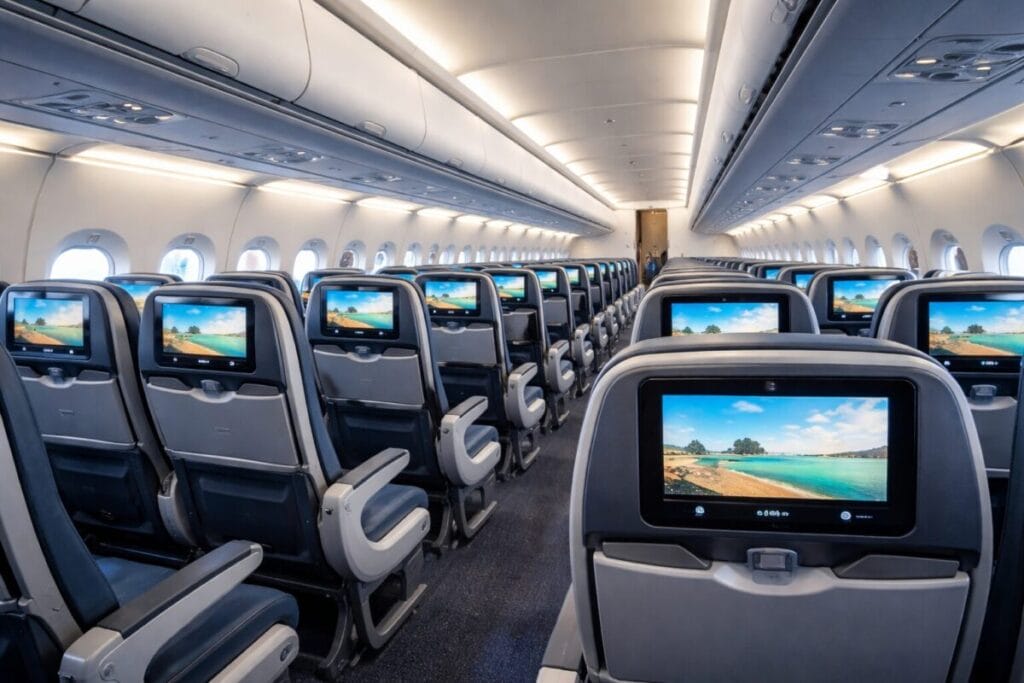
Continental Airlines has announced a major transformation of its Airbus A320 fleet, marking a significant shift in how the airline approaches passenger comfort, operational efficiency and environmental responsibility. The retrofit programme introduces redesigned cabins, new seating technology and eco-conscious materials aimed at creating a more enjoyable and efficient flying experience.
As global aviation competition intensifies, airlines continue to invest in upgrades that enhance onboard experiences while addressing sustainability goals. Continental’s initiative reflects this industry-wide transition toward modern cabins that balance comfort, innovation and performance.
A Modern Cabin Designed for Comfort
The most noticeable change passengers will experience is the completely redesigned cabin layout. The airline plans to introduce new ergonomic seats built for better posture and improved comfort during flights of varying lengths.
Seats will feature increased legroom, adjustable headrests and enhanced back support. These changes aim to reduce fatigue and improve the overall travel experience, especially on busy short-haul routes where passenger turnover remains high.
The updated seating configuration also creates a more open feel inside the aircraft. Designers have focused on maximizing personal space without reducing capacity, offering a balance between passenger comfort and airline efficiency.
Lighting upgrades form another key part of the cabin redesign. Modern LED mood lighting systems allow the cabin environment to adapt throughout the journey. Softer lighting during boarding and warmer tones during cruise aim to reduce stress and create a more relaxing atmosphere.
Sustainability at the Core of the Retrofit
Environmental considerations play a central role in the A320 refurbishment strategy. Airlines worldwide face increasing pressure to reduce emissions, improve fuel efficiency and adopt sustainable practices.
Continental Airlines has incorporated lightweight materials into the cabin design. Lighter seats, panels and fittings help reduce aircraft weight, which lowers fuel consumption and supports emission reduction targets.
The airline has also chosen sustainable fabrics and finishes for seats and interior surfaces. These materials aim to reduce environmental impact while maintaining durability and comfort.
Industry experts highlight that cabin retrofits offer a faster path to sustainability compared to replacing entire fleets. By modernizing existing aircraft, airlines extend operational life while minimizing resource consumption associated with new aircraft production.
Technology Integration Enhances the Passenger Experience
Technology upgrades form a major part of the A320 transformation. Modern travellers expect connectivity and digital entertainment as standard features, even on shorter flights.
The retrofitted cabins will include advanced onboard entertainment options. Passengers can access movies, television shows, music and games through updated systems designed for ease of use.
Enhanced digital infrastructure may also support improved connectivity options, allowing passengers to stay productive or entertained throughout the journey. These additions align with growing demand for seamless digital experiences during air travel.
Airlines increasingly recognize that technology influences customer loyalty. By investing in smarter onboard systems, Continental aims to attract tech-savvy travellers and improve overall satisfaction.
Improved Efficiency and Operational Performance
Beyond passenger comfort, the retrofit programme addresses operational efficiency. New cabin components feature simplified maintenance designs, allowing crews to service and replace parts more quickly.
Lower maintenance requirements help reduce long-term operating costs. Combined with fuel savings from lighter materials, these upgrades support stronger financial performance for the airline.
Extending the lifecycle of the A320 fleet also reduces capital expenditure compared to purchasing new aircraft. Many airlines now prefer strategic upgrades that deliver measurable improvements without significant fleet expansion costs.
Aligning with Global Aviation Trends
Continental Airlines’ A320 retrofit mirrors broader developments across the aviation sector. Airlines worldwide invest heavily in cabin redesigns as they compete to offer premium experiences within standard aircraft types.
Passengers increasingly prioritise comfort, sustainability and digital connectivity when choosing airlines. Carriers respond by introducing quieter cabins, ergonomic seating and energy-efficient materials.
Sustainability remains a defining trend. Airlines adopt eco-friendly design strategies, improve fuel efficiency and explore carbon reduction measures as part of long-term environmental commitments.
The retrofit also reflects a shift toward passenger-centric design. Modern cabins focus not only on aesthetics but also on psychological comfort, noise reduction and improved lighting to reduce travel fatigue.
Strengthening Brand Position and Future Readiness
The A320 upgrade programme positions Continental Airlines to meet evolving passenger expectations while preparing for future aviation challenges. By combining sustainability with innovation, the airline strengthens its competitive edge in a rapidly changing market.
Industry analysts suggest that fleet modernization through retrofits allows airlines to maintain consistency across aircraft while gradually introducing new technologies. This strategy ensures smoother transitions for passengers and crew alike.
The redesign also signals the airline’s commitment to long-term growth. Investing in existing aircraft demonstrates confidence in operational efficiency while maintaining flexibility for future fleet decisions.
Conclusion: A Strategic Move Toward Smarter Air Travel
Continental Airlines’ A320 cabin retrofit marks an important step toward redefining the modern travel experience. With upgraded seating, advanced technology and eco-conscious materials, the airline aims to deliver greater comfort without compromising sustainability.
As aviation continues to evolve, initiatives like this highlight how airlines can balance innovation with environmental responsibility. Passengers can expect more personalized, efficient and enjoyable journeys as the new cabins gradually enter service.
The retrofit programme showcases how thoughtful design and strategic investment can transform traditional aircraft into modern travel environments, setting the stage for the next phase of air travel innovation.
For more travel news like this, keep reading Global Travel Wire