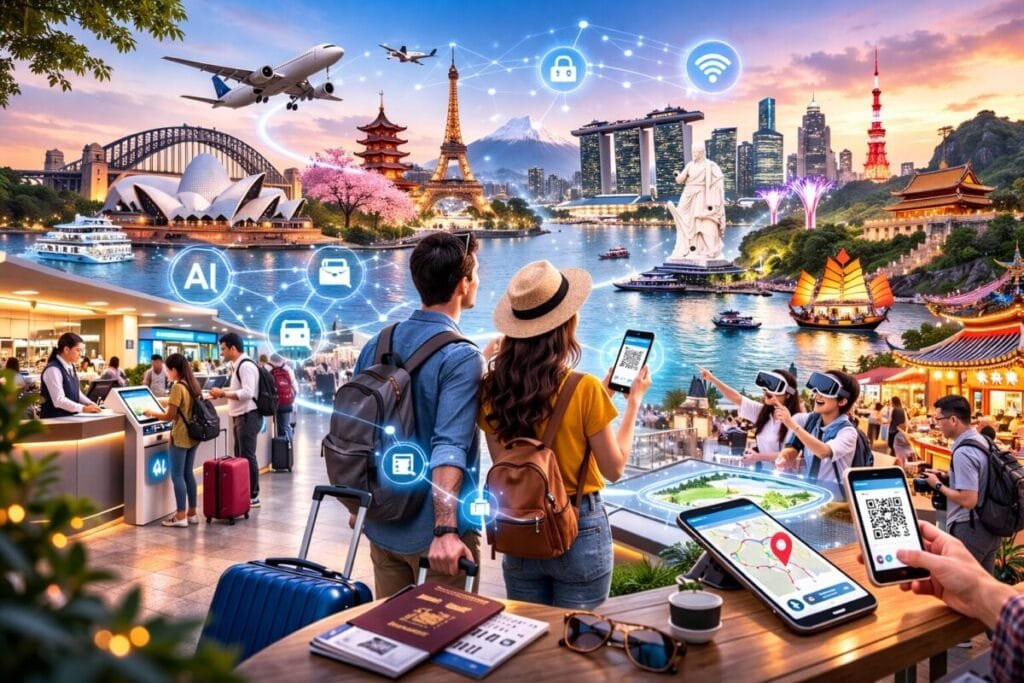
The global tourism industry is experiencing a powerful digital transformation in 2026. Australia has joined New Zealand, Japan, Singapore, China, Vietnam, and other nations in deploying artificial intelligence and smart technologies to accelerate tourism growth. Governments and private operators now use digital tools to personalize travel, improve efficiency, and attract high-value international visitors.
Digital innovation no longer supports tourism. It drives it. Countries that invest in AI, automation, and mobile-first infrastructure now lead international visitor growth rankings.
Australia Expands Smart Travel Infrastructure
Australia has strengthened its position as a digital tourism leader. International arrivals have surpassed pre-pandemic levels, supported by advanced border technology and AI integration.
The SmartGate biometric border system uses facial recognition to speed up immigration clearance. This technology reduces queues and improves airport efficiency. Airlines also integrate predictive AI tools to manage baggage, optimize boarding, and enhance customer communication.
Australia invests in AI research and aviation innovation hubs. These centers focus on automation, real-time service updates, and intelligent scheduling systems. Travelers benefit from faster check-ins, accurate flight notifications, and seamless airport navigation.
Digital travel assistants and real-time translation apps also support inbound visitors. These solutions allow tourists to explore cities confidently while accessing personalized recommendations.
New Zealand Boosts Tourism With AI Strategy
New Zealand has embedded artificial intelligence into its national tourism development strategy. Visitor numbers have surged as the country enhances digital marketing and smart travel services.
AI-powered itinerary tools suggest personalized travel routes based on visitor interests. Data analytics help tourism operators forecast demand and manage peak seasons more effectively.
Tourism authorities also use AI-driven advertising campaigns to target high-potential international markets. These campaigns optimize engagement and attract travelers seeking nature, adventure, and cultural immersion.
Machine learning systems assist airlines and tour providers in resource planning. This approach ensures smoother travel experiences and better service delivery.
Japan Integrates Technology and Cultural Tourism
Japan continues to combine cultural heritage with digital excellence. AI-powered translation devices and multilingual mobile apps help international visitors navigate cities with ease.
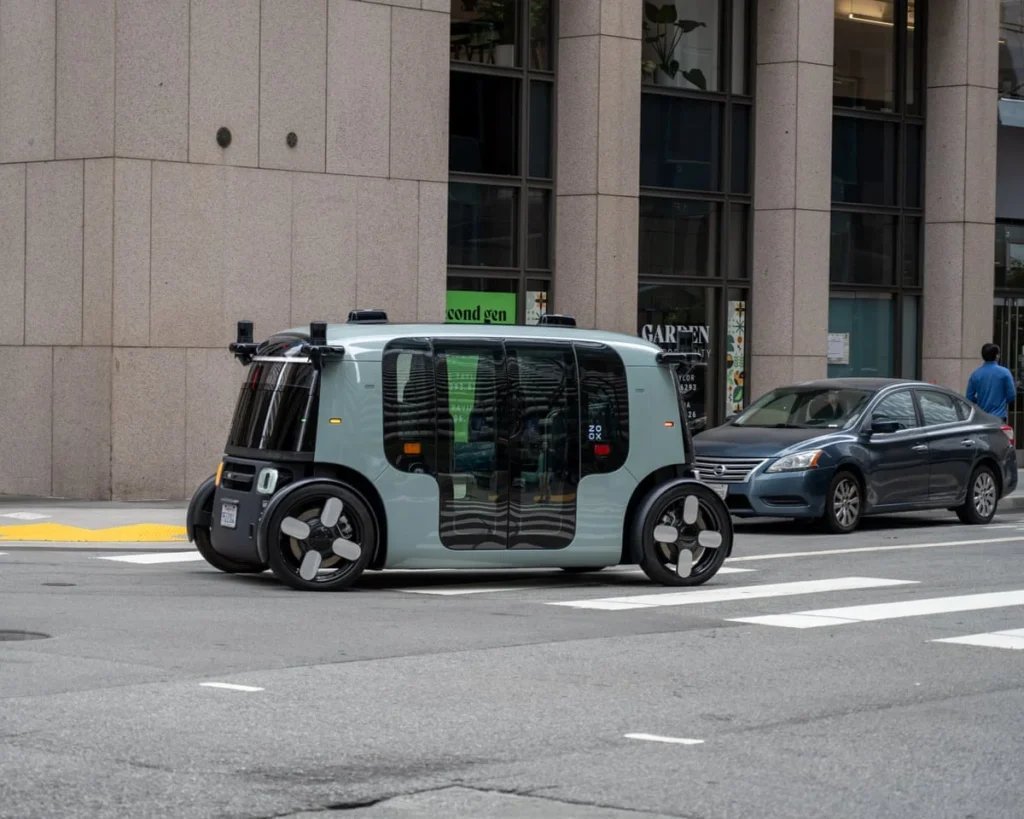
Smart mobility solutions, including AI-managed rail networks and autonomous vehicle trials, improve transport efficiency. These systems distribute visitor flow and reduce congestion in major cities.
Hotels and tourist attractions deploy robotic concierge services that provide real-time guidance. Digital ticketing platforms also simplify entry to museums and landmarks.
As Japan hosts major global events and expands its tourism capacity, digital infrastructure plays a central role in maintaining high service standards.
Singapore Advances Smart Nation Tourism Model
Singapore remains one of Asia’s most technologically advanced destinations. The Smart Nation initiative integrates digital systems across tourism services.
AI-powered platforms analyze visitor behavior and offer personalized recommendations for dining, attractions, and events. Digital identity systems streamline hotel check-ins and service access.
Contactless payments and QR-based ticketing operate widely across the city. Visitors can navigate transport networks, retail districts, and entertainment venues without friction.
Data analytics also help manage crowd flow and optimize destination marketing strategies. Singapore’s digital-first model supports consistent tourism growth.
China Expands Smart Tourism Cities
China continues to invest heavily in AI-driven tourism infrastructure. Digital ecosystems allow visitors to plan trips, book services, and complete payments within unified mobile platforms.
AI travel assistants provide real-time translation, attraction suggestions, and navigation support. Smart tourism cities integrate facial recognition systems for hotel check-ins and transport access.
Advanced data platforms monitor visitor patterns and manage high-demand sites efficiently. These systems enhance safety and improve overall experience quality.
China’s strong digital adoption rate supports both inbound and domestic tourism expansion.
Vietnam Emerges as Digital Tourism Contender
Vietnam has rapidly adopted AI and mobile technology to enhance visitor services. Tourism operators now offer AI-powered recommendation engines and multilingual support tools.
Mobile booking platforms and digital payment solutions simplify travel planning. Local businesses integrate online systems to reach international markets.
Vietnam also promotes smart destination initiatives in major cities. Digital wayfinding tools and interactive travel guides improve accessibility for foreign visitors.
These innovations position Vietnam as one of Southeast Asia’s fastest-growing tourism markets.
Key Digital Trends Driving Tourism Growth
AI-powered personalization stands at the forefront of tourism growth. Travelers receive customized itineraries, real-time suggestions, and predictive travel updates.
Smart mobility systems improve city navigation and reduce congestion. Autonomous transport solutions and AI-managed public networks support smoother journeys.
Digital payment ecosystems allow secure, contactless transactions across borders. Mobile wallets and QR codes dominate retail and hospitality environments.
AI-driven customer service platforms provide instant support through chatbots and virtual assistants. Travelers receive assistance without delays or language barriers.
Data-driven tourism management enables governments to forecast demand, manage capacity, and enhance sustainability planning.
A Technology-Driven Future for Global Travel
Australia, New Zealand, Japan, Singapore, China, Vietnam, and other digital pioneers demonstrate how technology transforms tourism performance. AI, automation, and mobile-first infrastructure create seamless visitor experiences that encourage repeat travel.
Digital innovation now shapes every stage of the journey, from booking flights to exploring attractions. Countries that prioritize smart tourism technology strengthen economic resilience and global competitiveness.
As 2026 progresses, AI-driven systems will continue to redefine international travel. Seamless logistics, personalized engagement, and intelligent infrastructure will determine which destinations lead the next phase of global tourism growth.
For more travel news like this, keep reading Global Travel Wire