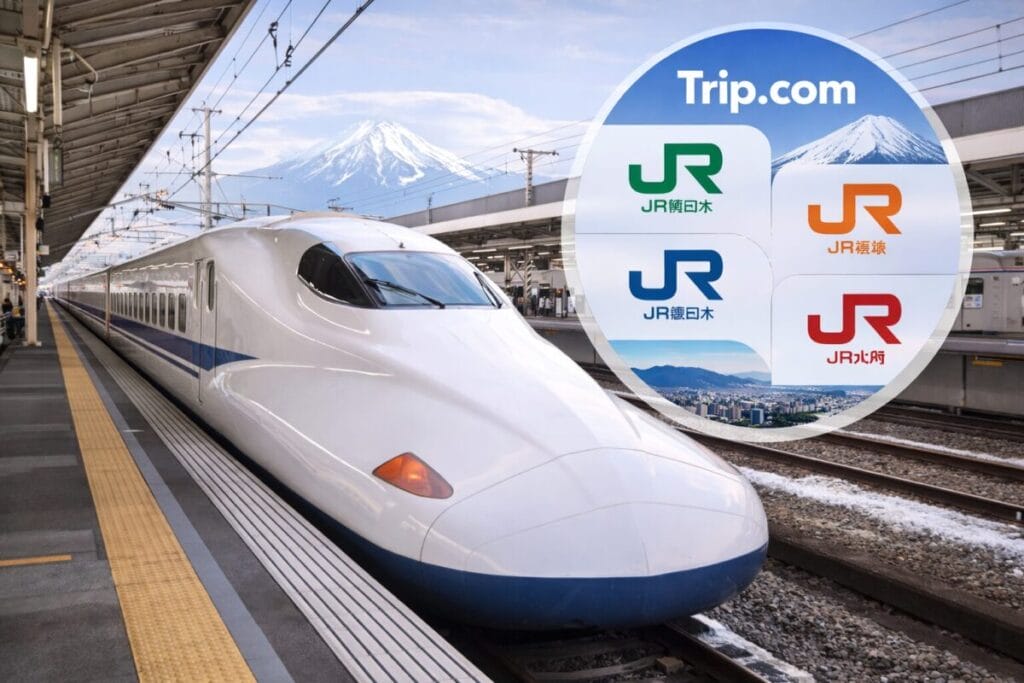
Japan’s tourism sector is embracing a new phase of digital convenience as Trip.com announces a partnership with several major Japan Rail (JR) companies to provide Shinkansen ticket access to international travelers through a multilingual online platform. The collaboration aims to simplify domestic travel planning while supporting Japan’s broader strategy to enhance accessibility for global visitors.
As Japan continues to attract increasing numbers of tourists, efficient transportation remains one of the country’s strongest advantages. The integration of Shinkansen ticket booking into a widely used global travel platform represents a major step toward making high-speed rail travel easier for visitors unfamiliar with local systems.
Streamlining Travel Across Japan’s High-Speed Rail Network
Japan’s Shinkansen system is internationally recognized for speed, reliability, and punctuality, connecting major cities with comfort and efficiency. Through the new partnership, travelers can book tickets for key routes such as the Tokaido Shinkansen linking Tokyo, Kyoto, and Osaka, as well as lines extending toward Hiroshima and the southern island of Kyushu.
The ability to secure tickets in advance allows travelers to better plan their itineraries, particularly during peak seasons when popular routes can sell out quickly. By providing options for reserved seating, non-reserved sections, and premium Green Car seating, the platform caters to a wide range of travel preferences.
High-speed rail plays a crucial role in enabling visitors to explore multiple regions during a single trip. Travelers can experience urban culture in Tokyo, historical landmarks in Kyoto, culinary scenes in Osaka, and scenic landscapes throughout the country without relying heavily on domestic flights.
Reducing Language Barriers and Enhancing Accessibility
One of the main challenges faced by international visitors in Japan has traditionally been navigating ticketing systems in a foreign language. Multilingual booking options are designed to remove this barrier by providing clear instructions and user-friendly navigation.
The digital process allows travelers to select departure and arrival stations, compare train schedules, and choose seat types without needing to interpret complex station signage or ticket machines upon arrival. Depending on the route, travelers can board using QR code technology or collect tickets from automated kiosks, reducing waiting times and simplifying the journey.
This level of convenience reflects broader trends in global tourism, where digital solutions are increasingly expected to minimize logistical challenges and allow travelers to focus on their experiences rather than planning complexities.
Supporting Japan’s Tourism Growth Strategy
Japan has set ambitious goals for increasing international visitor numbers, with transportation infrastructure playing a central role in achieving these targets. High-speed rail remains one of the country’s most iconic travel experiences, and improving access to the Shinkansen network aligns with efforts to distribute tourism beyond major urban centers.
By enabling easier travel between regions, authorities hope to encourage visitors to explore lesser-known destinations alongside popular cities. Improved access to rail travel can help reduce overcrowding in heavily visited areas while boosting local economies in regional locations.
Tourism experts note that seamless transportation contributes significantly to visitor satisfaction. When travelers feel confident navigating a country’s infrastructure, they are more likely to extend their stays, visit multiple destinations, and recommend the experience to others.
Integrated Travel Planning for International Visitors
Another advantage of integrating Shinkansen ticket booking into a global travel platform is the ability to combine rail travel with other essential services. Visitors can organize flights, accommodation, and train journeys within a single system, reducing the need to switch between multiple platforms.
This streamlined approach is particularly appealing to first-time visitors who may be unfamiliar with Japan’s transportation network. The ability to manage an entire itinerary in one place enhances convenience and provides greater flexibility for adjusting plans.
For example, travelers planning a journey from Tokyo to Kyoto can coordinate their hotel reservations with train departure times, ensuring smooth transitions between destinations. This integrated planning helps maximize travel efficiency, allowing visitors to spend more time exploring rather than coordinating logistics.
The Shinkansen Experience as a Tourism Highlight
Beyond its practical advantages, Shinkansen travel itself has become a key attraction for visitors. Known for sleek design, smooth rides, and exceptional punctuality, the trains offer panoramic views of Japan’s landscapes, from urban skylines to rural countryside.
Onboard amenities, including spacious seating and quiet interiors, enhance the experience, making long-distance travel both comfortable and memorable. For many travelers, riding a bullet train is considered an essential part of visiting Japan, combining technology, efficiency, and cultural pride.
The expansion of digital ticket access ensures that more international tourists can easily include this iconic experience in their travel plans.
Future Outlook for Digital Tourism Innovation
The partnership reflects broader changes in how tourism services are delivered worldwide. As travelers increasingly rely on mobile platforms for planning and navigation, transportation providers are adapting by offering digital solutions that simplify access.
Looking ahead, further technological enhancements may include real-time updates, personalized recommendations, and expanded integration with local transportation networks. These developments could make navigating Japan’s extensive rail system even more intuitive for visitors.
Industry observers expect that simplifying ticket purchasing will encourage repeat travel and inspire visitors to explore beyond traditional routes, strengthening Japan’s position as a leading global destination.
A More Connected Journey Across Japan
The collaboration between Trip.com and Japan’s JR companies signals a new era of convenience for international travelers. By making Shinkansen tickets easier to purchase and manage, the initiative enhances the overall travel experience while supporting the country’s tourism ambitions.
As Japan continues to welcome visitors from around the world, seamless rail connectivity will remain a cornerstone of its appeal. With high-speed trains linking cultural landmarks, modern cities, and scenic regions, travelers can explore the country more efficiently than ever, turning every journey into an integral part of the adventure.
For more travel news like this, keep reading Global Travel Wire