China has issued an urgent advisory asking its citizens to leave Iran immediately. The move follows rising geopolitical tensions in the Middle East. Authorities warn that the security situation may deteriorate quickly.
The advisory signals growing concern among global governments. Many countries now urge citizens to avoid travel to high-risk areas across the region.
Rising Security Risks Across Iran
Chinese officials have asked nationals in Iran to depart as soon as possible. They recommend using commercial flights or overland routes where available. Diplomatic missions remain prepared to assist citizens with emergency arrangements.
The situation remains volatile. Military deployments in nearby waters and increased regional tensions have heightened fears of escalation. Governments believe the risk of sudden conflict cannot be ruled out.
Travelers currently in Iran face uncertainty. Authorities stress the need for constant monitoring of official updates and strict adherence to safety instructions.
Heightened Alert for Travelers in Israel
Chinese authorities have also issued a separate warning for citizens in Israel. Travelers must remain highly vigilant. Officials advise limiting non-essential movement.
Security preparedness now plays a key role. Visitors should identify bomb shelters, review evacuation routes, and follow local emergency guidance. Rapid developments in the region have raised cross-border security concerns.
Israel remains operational for tourism. However, visitors must stay alert and prepared for sudden changes. Regional tensions often impact surrounding airspace and travel corridors.
Global Governments Issue Similar Warnings
China is not alone in urging caution. Several major nations have updated travel advisories for Iran and nearby destinations. Some governments have reduced embassy staffing levels. Others have advised against all non-essential travel.
Authorities cite unpredictability as the main risk factor. Political developments can shift quickly. Travel disruptions often follow without much notice.
Tourism authorities across the Middle East continue to operate normally. However, they closely monitor regional developments. Travelers should expect rapid advisory changes if tensions intensify.
Flight Disruptions Impact UAE and Gulf Hubs
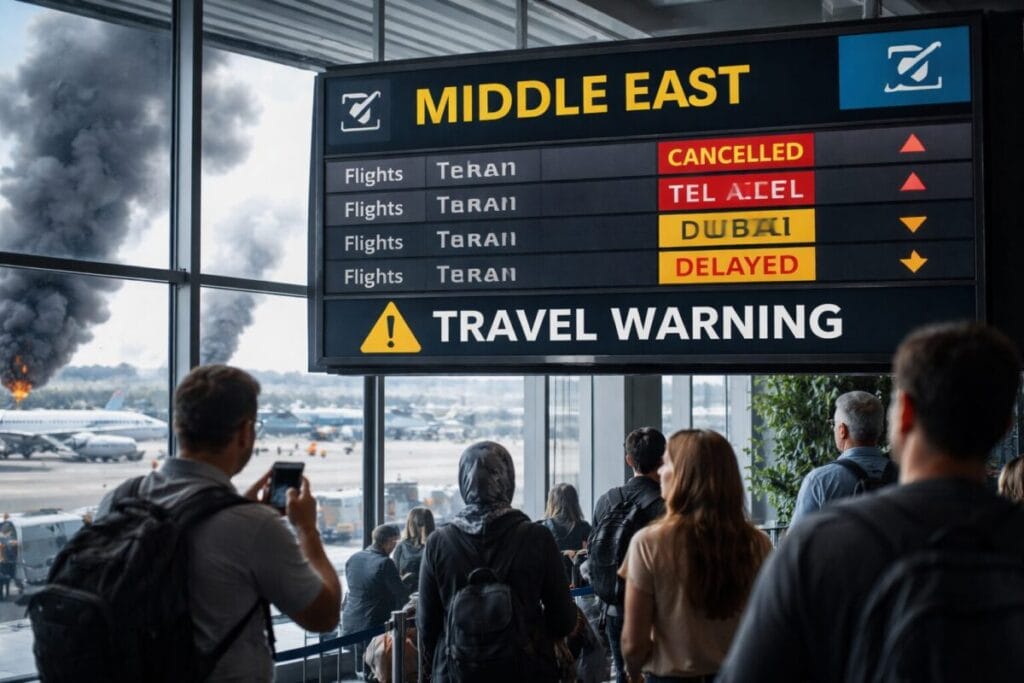
Airlines have already begun adjusting operations. Carriers are rerouting flights to avoid certain airspaces. Some services face delays or temporary cancellations.
Major Gulf hubs such as Dubai, Abu Dhabi, Doha, and Riyadh remain open. Yet flight paths have changed. Longer routes may increase travel time.
Travelers heading to the UAE, Qatar, or Saudi Arabia should confirm flight status before departure. Airlines may update schedules with short notice.
Airspace restrictions often affect connecting routes between Asia and Europe. This can impact tourism flows beyond the Middle East.
Tourism Industry Monitors Developments
The Middle East remains a key global tourism region. Cities like Dubai and Abu Dhabi continue to welcome millions of visitors each year. Israel also remains a major religious and cultural destination.
Tour operators are reviewing contingency plans. Travel insurers report increased inquiries regarding coverage and cancellations.
Industry experts expect short-term booking fluctuations. Travelers may delay trips until stability improves. Flexible policies now influence booking decisions more than ever.
Practical Travel Safety Measures
Travelers in or heading to the region should take proactive steps.
Monitor Official Advisories
Check government travel alerts frequently. Follow embassy updates. Conditions may shift rapidly.
Book Flexible Travel Options
Choose refundable tickets and accommodations. Flexibility reduces financial risk if plans change.
Stay Informed Through Reliable Sources
Follow official communications. Avoid rumors or unverified reports. Accurate information ensures better decision-making.
Prepare an Emergency Plan
Identify evacuation routes. Keep emergency contacts accessible. Know local emergency numbers.
Limit Non-Essential Travel
Avoid high-risk areas. Stay in secure and well-populated zones. Reduce unnecessary movement during heightened alerts.
Business and Transit Travelers Face Added Pressure
The Middle East serves as a global aviation crossroads. Business travel and transit traffic remain significant.
Corporate travelers now reassess risk exposure. Many companies implement stricter travel approval processes. Some have postponed non-essential regional trips.
Transit passengers connecting through Gulf airports should allow extra time. Route adjustments may extend layovers.
Insurance and Travel Protection Gain Importance
Travel insurance has become essential. Policies that include political evacuation coverage provide added protection.
Travelers should review terms carefully. Some policies exclude conflict-related incidents. Understanding coverage limits prevents unexpected costs.
Tourism officials continue to encourage calm and preparedness. Panic rarely benefits travelers. Clear planning offers stronger protection.
Outlook for Regional Tourism
The long-term outlook depends on diplomatic developments. The Middle East has experienced previous periods of instability while maintaining tourism resilience.
Short-term volatility may slow demand. However, major destinations continue operating. Airports, hotels, and tourism sites remain functional.
Travelers must balance opportunity with caution. Awareness and flexibility remain key tools.
Final Advisory for Travelers
China’s evacuation advisory highlights the seriousness of current tensions. The wider international response confirms rising concern.
Travel to Israel, the UAE, and surrounding destinations remains possible. However, travelers must prepare for sudden changes.
Monitor updates. Choose flexible bookings. Stay informed at every stage of your journey.
In times of uncertainty, preparation ensures safer travel decisions.
For more travel news like this, keep reading Global Travel Wire