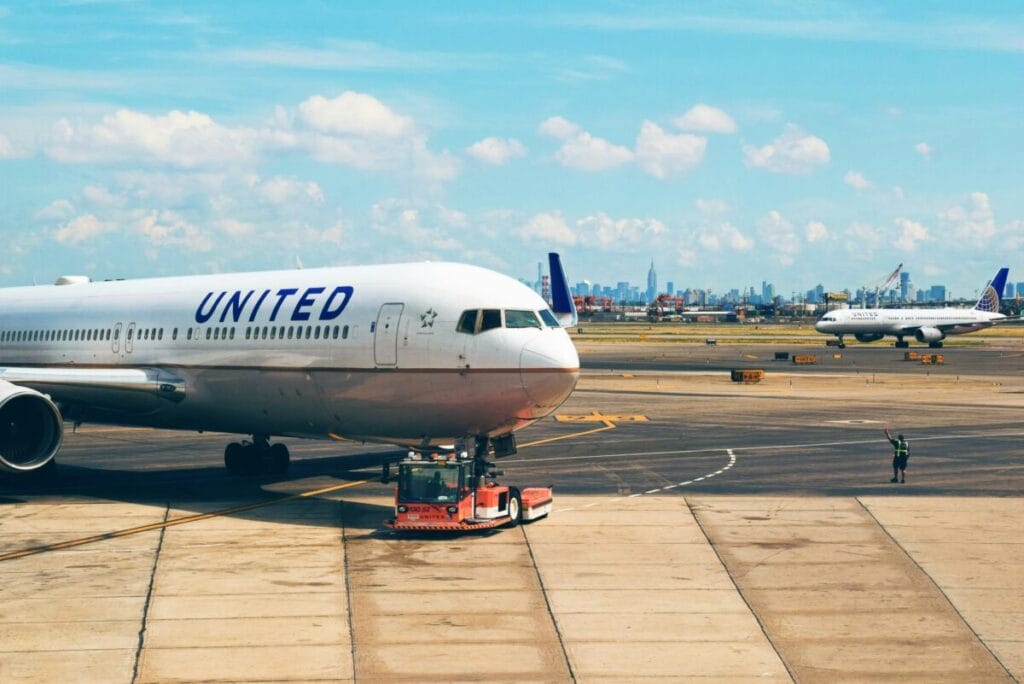
A United Airlines transcontinental flight bound for Newark experienced an unexpected but safely managed return to Los Angeles International Airport after a reported engine issue shortly after takeoff. The aircraft, a Boeing 787-9 Dreamliner operating as Flight 2127, departed LAX at approximately 10:00 AM on February 26, 2026, with 256 passengers and 12 crew members onboard.
Within minutes of departure, the flight crew detected irregular indications linked to the aircraft’s left engine. Following established aviation safety protocols, the pilots made the decision to discontinue the journey and return to Los Angeles as a precautionary measure. The aircraft remained airborne for roughly one hour before landing safely back at LAX at around 11:20 AM.
Swift Response Ensures Passenger Safety
Upon notification of a potential engine-related issue, airport emergency crews were placed on standby as part of standard operating procedures. Firefighters and rescue personnel positioned themselves along the taxiway to respond immediately after landing. Initial reports had referenced a possible engine fire, but officials later confirmed there was no active blaze detected.
After the aircraft came to a complete stop, cabin crew initiated a controlled evacuation. Passengers exited using a combination of emergency slides and airstairs, a standard precautionary method when engine-related concerns are involved. Buses transported travelers from the aircraft back to the terminal, where United Airlines representatives provided assistance with onward travel arrangements.
Importantly, no injuries were reported among passengers or crew members, and medical teams were present as a precaution.
Understanding Emergency Turnbacks in Aviation
While such incidents can appear dramatic, aviation experts emphasize that precautionary returns are not uncommon in commercial flight operations. Modern aircraft are equipped with advanced monitoring systems that alert pilots to mechanical irregularities. When such alerts occur, crews are trained to follow strict procedures prioritizing passenger safety above all else.
Returning to the departure airport often represents the safest and most efficient option, particularly when the aircraft has just taken off and remains within reach of full maintenance and emergency support services. Aircraft like the Boeing 787-9 are also designed with redundant systems, meaning a single engine issue does not automatically compromise flight stability.
The decision to turn back reflects conservative safety standards that define global aviation practices.
Temporary Operational Impact at LAX
Los Angeles International Airport, one of the busiest gateways in the United States, experienced brief inbound arrival delays while emergency crews secured the runway and taxiway areas. Air traffic controllers coordinated adjustments to ensure minimal disruption to other scheduled operations.
According to airport officials, delays were short-lived, and normal traffic patterns resumed once the aircraft was cleared and inspected. LAX’s emergency response infrastructure is designed to manage such scenarios efficiently, minimizing broader operational ripple effects.
Passengers on arriving flights may have noticed minor schedule adjustments, but airport authorities confirmed that safety protocols were executed swiftly and effectively.
Federal Aviation Administration Review
As is standard practice following any precautionary return involving engine systems, the Federal Aviation Administration initiated a review of the incident. The agency’s evaluation will examine maintenance logs, crew procedures and aircraft data recordings to determine the cause of the engine alert.
The FAA’s involvement underscores the layered oversight embedded within U.S. aviation safety systems. Investigations of this nature typically analyze mechanical performance data, communication transcripts and inspection records to ensure regulatory compliance and identify potential technical issues.
United Airlines has stated that it will cooperate fully with authorities during the review process.
Passenger Experience and Airline Support
For travelers onboard Flight 2127, the event served as a reminder of aviation’s commitment to safety-first decision making. Although unexpected, the return was conducted calmly and professionally.
Several passengers later expressed appreciation for the flight crew’s communication and composure. Cabin announcements reportedly kept travelers informed throughout the situation, helping to manage anxiety.
United Airlines arranged alternative flights for affected passengers and provided assistance in rebooking connections to Newark and other destinations. The airline reiterated that passenger safety remains its highest operational priority.
The Boeing 787-9 and Modern Aviation Standards
The Boeing 787-9 Dreamliner is widely used for long-haul and transcontinental routes due to its fuel efficiency, advanced avionics and passenger comfort features. The aircraft is engineered with rigorous safety redundancies, including dual engine systems capable of maintaining safe flight operations even if one engine experiences a malfunction.
Commercial aviation remains one of the safest forms of transportation globally, supported by strict regulatory oversight, continuous pilot training and detailed maintenance requirements. Incidents involving precautionary returns often demonstrate that safety mechanisms function as intended.
Broader Implications for Travel Confidence
In an era of high passenger volumes and increased demand for domestic and international travel, rapid and transparent handling of technical issues reinforces public confidence in air transport systems. Events like this highlight the coordination between airlines, airport authorities and federal regulators in maintaining safety standards.
Los Angeles and Newark are two of the nation’s most heavily traveled hubs, and maintaining operational integrity between them is essential for business, tourism and connecting traffic. The swift management of Flight 2127 ensured minimal disruption to broader travel flows.
Conclusion
The safe return of United Airlines Flight 2127 to Los Angeles demonstrates the effectiveness of aviation safety protocols and emergency preparedness systems. Although the aircraft experienced a left engine alert shortly after departure, the crew’s decisive action ensured a secure landing without injuries.
As the FAA review continues, passengers and industry observers can take reassurance in the structured procedures that govern modern air travel. From cockpit decision-making to ground response coordination, the incident reflects a system designed to prioritize safety at every stage of flight.
For travelers departing from LAX and beyond, the episode stands as a testament to aviation’s built-in safeguards—working quietly and efficiently to keep journeys secure, even when plans must change midair.
For more travel news like this, keep reading Global Travel Wire