A tragic train derailment in Namibia has drawn global attention to safety and infrastructure challenges within Africa’s rail tourism sector. The incident, involving a luxury train operated by Rovos Rail, occurred on the morning of March 1, 2026, near the Naute region in southern Namibia. The accident resulted in the deaths of two crew members and disrupted one of the continent’s most renowned luxury rail journeys.
The derailment has sent shockwaves across the tourism industry, particularly among operators offering high-end rail travel experiences across Southern Africa. While no passengers were injured, the loss of two railway professionals has deeply affected the Rovos Rail organization and the wider travel community.
Authorities and railway officials are now investigating the circumstances surrounding the accident as tourism leaders emphasize the need for continued focus on infrastructure reliability and safety standards.
Early Morning Accident Caused by Infrastructure Failure
According to preliminary reports, the train was traveling south from Windhoek toward the South African border when the derailment occurred at approximately 04:45 in the morning. The location of the accident lies roughly 285 kilometers from Ariamsvlei, an important border crossing between Namibia and South Africa.
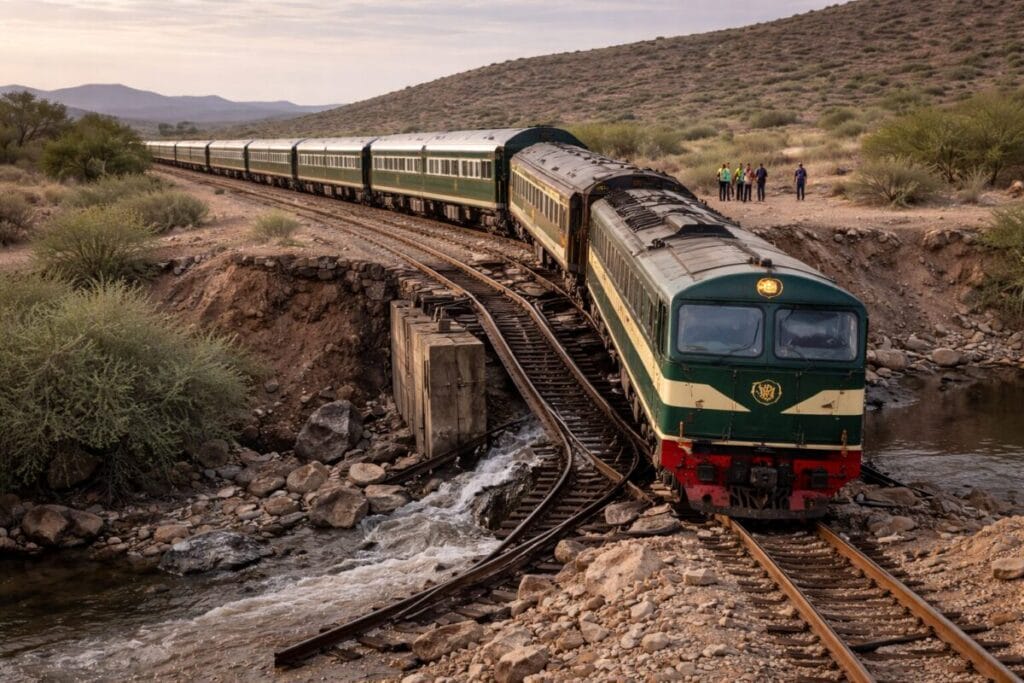
Investigations indicate that the derailment was caused by a structural failure on a railway bridge along the route. Heavy water flow had reportedly washed away part of the bridge structure, weakening its support and causing the train to derail as it crossed.
Two locomotives and two service coaches left the tracks following the collapse of the bridge section. The train’s automatic braking system activated immediately after the derailment, stopping the remaining carriages and preventing further damage or additional derailments.
Despite the severity of the incident, emergency systems worked effectively to limit the scale of the accident.
Crew Members Lose Their Lives in the Incident
The derailment tragically resulted in the deaths of two railway professionals who were operating the train at the time. The Rovos Rail driver and the TransNamib pilot assisting with local railway operations both lost their lives in the accident.
Railway workers often operate in challenging environments, especially on long-distance routes passing through remote regions. Their role is essential in maintaining safe train operations across vast rail networks.
Rovos Rail issued a statement expressing deep sorrow over the loss of the two crew members and extended condolences to their families, friends, and colleagues. The company also recognized the dedication and professionalism of the individuals who lost their lives while performing their duties.
The tragedy has been widely felt within the rail industry, where close cooperation between train operators and railway authorities is essential for safe travel.
Passengers Safe Following Rapid Emergency Response
While the accident caused significant damage to part of the train, passengers onboard were unharmed. Emergency procedures were implemented immediately following the derailment to ensure the safety of everyone traveling on the luxury service.
Rovos Rail quickly arranged alternative transportation for passengers so that they could continue their journeys. Travelers were transported by bus to the city of Upington in South Africa, where onward travel arrangements were made for flights to Cape Town.
Senior representatives from the company personally assisted passengers upon their arrival to ensure that accommodation and travel plans were handled smoothly.
The swift response demonstrated the importance of well-prepared emergency plans within the tourism sector, particularly for journeys that take place across remote regions.
Rovos Rail and the Role of Luxury Rail Tourism
Rovos Rail is internationally recognized as one of Africa’s premier luxury rail operators. Founded in South Africa, the company offers multi-day journeys across some of the continent’s most spectacular landscapes, including routes through South Africa, Namibia, Zimbabwe, and Tanzania.
Passengers aboard these trains typically experience a combination of historic rail travel, elegant accommodation, and scenic exploration of Africa’s natural and cultural heritage.
Luxury rail tourism has grown in popularity in recent years as travelers seek immersive experiences that allow them to explore destinations at a slower pace. Rovos Rail has played a significant role in promoting Southern Africa as a premium travel destination through these unique journeys.
The derailment represents a rare incident for the company, which has maintained a strong reputation for quality service and operational safety over decades of operation.
Infrastructure Challenges in Remote Rail Networks
The accident has highlighted the broader challenges associated with maintaining railway infrastructure across remote areas of Africa. Rail lines in regions such as southern Namibia often pass through deserts, flood-prone areas, and sparsely populated landscapes where weather conditions can quickly affect infrastructure.
Bridges, tracks, and signaling systems require continuous monitoring and maintenance to ensure safe operations. In regions experiencing seasonal rainfall or flash flooding, washaways and structural damage can occur if infrastructure is weakened.
Transportation authorities are expected to conduct detailed inspections of the affected railway section to determine the full extent of the damage and prevent similar incidents in the future.
The incident may also encourage greater investment in rail infrastructure improvements to support both tourism and regional transportation networks.
Impact on Tourism and Future Rail Operations
Luxury rail tourism plays an important role in attracting international visitors to Southern Africa. Countries such as Namibia rely on tourism to support local economies, particularly in remote areas that benefit from visitor spending on travel experiences.
While the derailment may temporarily disrupt some Rovos Rail routes through Namibia, tourism officials expect the industry to recover as investigations are completed and repairs are carried out.
Travel companies and tour operators are closely monitoring updates regarding the affected rail corridor. Passengers with future bookings are advised to stay informed about potential route adjustments or schedule changes.
Despite the tragic circumstances, tourism experts believe that the sector’s resilience and commitment to safety will help restore confidence in luxury rail travel across the region.
Moving Forward: Safety and Industry Resilience
The Namibia derailment serves as a sobering reminder that transportation systems require continuous attention to infrastructure safety and operational preparedness.
Railway operators, tourism authorities, and governments across Africa are likely to review existing safety measures and infrastructure monitoring systems in light of the incident.
Luxury rail tourism remains one of the most distinctive travel experiences available in Africa, allowing visitors to explore landscapes, wildlife, and cultural heritage in comfort.
As investigations continue and repairs begin, the focus will remain on honoring those lost in the tragedy while strengthening the safety and reliability of rail travel for the future.
The African tourism industry has demonstrated resilience in the past, and leaders across the sector remain committed to ensuring that travel experiences continue to meet the highest standards of safety and excellence.
For more travel news like this, keep reading Global Travel Wire