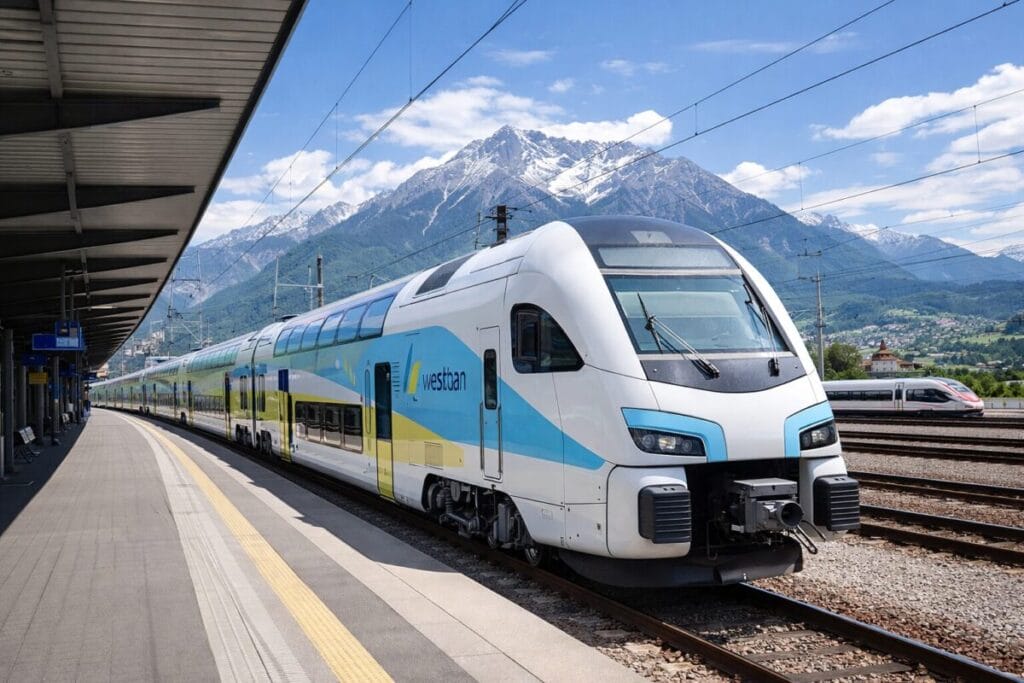
Austria’s tourism and transportation sectors are entering a new era as Westbahn launches high-speed rail services along the Koralm Railway corridor. The new services connect major destinations including Vienna, Graz, Klagenfurt, and Villach, dramatically improving travel times and strengthening connectivity between some of the country’s most popular tourist regions.
The introduction of modern high-speed trains along the Southern Line represents a major milestone for Austria’s long-distance rail network. By linking cultural capitals, alpine landscapes, and historic cities through faster and more efficient rail connections, the new services are expected to enhance tourism experiences while supporting sustainable travel across the country.
A Major Upgrade to Austria’s Rail Network
The Koralm Railway, featuring the newly completed Koralm Tunnel, has transformed rail travel between eastern and southern Austria. This large infrastructure project significantly reduces travel times between Vienna and Graz while providing smoother connections to destinations further south such as Klagenfurt and Villach.
With the launch of high-speed services using Westbahn’s modern SMILE trains, passengers now have access to faster and more comfortable journeys across the country. The improved rail line allows travelers to reach multiple destinations more efficiently, making multi-city trips across Austria easier to plan.
The new route also introduces greater competition within Austria’s rail market, giving passengers the option to choose between different rail operators while benefiting from more frequent services and flexible ticket options.
Strengthening Austria’s Tourism Infrastructure
Rail travel plays a crucial role in Austria’s tourism ecosystem. The country welcomes millions of international visitors each year who come to experience its historic cities, alpine landscapes, and renowned cultural heritage.
Improved rail connectivity between key destinations enables tourists to travel seamlessly across regions, encouraging longer stays and more diverse travel itineraries. With faster connections now available, travelers visiting Vienna can easily extend their trips to explore southern Austria’s lakes, mountains, and historic towns.
The new high-speed services also benefit domestic tourism by encouraging residents to explore other parts of the country through convenient weekend trips and short breaks.
Vienna: Austria’s Cultural Capital
Vienna remains one of Europe’s most visited cities and a major gateway for international tourism in Austria. Known for its imperial architecture, world-famous museums, and classical music heritage, the city attracts millions of visitors every year.
Landmarks such as Schönbrunn Palace, Hofburg Palace, and St. Stephen’s Cathedral reflect the city’s rich imperial history, while museums and art galleries showcase centuries of cultural achievement.
With improved high-speed rail connections, visitors arriving in Vienna can now easily continue their journey to other Austrian destinations without lengthy travel times. This makes the capital an ideal starting point for exploring multiple regions of the country.
Graz: A Blend of History and Innovation
Graz, Austria’s second-largest city, is another major beneficiary of the new rail network. Recognized as a UNESCO World Heritage site, the city is known for its well-preserved medieval architecture, vibrant arts scene, and innovative design culture.
The city’s historic center features narrow streets, charming courtyards, and landmarks such as the iconic clock tower on Schlossberg Hill. Graz also combines its historic identity with modern architecture, including the futuristic Kunsthaus Graz art museum.
The shorter travel time between Vienna and Graz allows tourists to visit both cities within a single trip, offering a unique blend of imperial heritage and contemporary culture.
Klagenfurt: Gateway to Lakes and Alpine Landscapes
Located near the scenic Lake Wörthersee, Klagenfurt serves as an important tourism hub in southern Austria. The region is famous for its clear turquoise waters, warm summer climate, and picturesque mountain surroundings.
Visitors come to Klagenfurt for a wide range of outdoor activities including swimming, sailing, hiking, and cycling. During winter months, nearby alpine areas offer skiing and other snow sports.
The new high-speed rail connections make it easier for travelers to reach Klagenfurt from major cities, opening the door to new tourism opportunities in Austria’s southern regions.
Villach: Alpine Charm and Wellness Tourism
Villach, located close to the borders of Italy and Slovenia, is known for its charming old town, thermal spas, and access to the surrounding Alps. The town combines alpine landscapes with historic architecture, making it a popular destination for both relaxation and outdoor adventure.
The region attracts visitors year-round, with summer hiking trails and winter ski resorts drawing tourists from across Europe. Villach’s thermal baths and wellness resorts also contribute to its reputation as a relaxing alpine getaway.
Thanks to the improved rail network, visitors can now reach Villach more quickly from Vienna and Graz, enhancing its accessibility for both international tourists and domestic travelers.
Sustainable Travel and Environmental Benefits
The launch of high-speed rail services aligns with Austria’s commitment to sustainable transportation and environmental protection. Rail travel is widely considered one of the most environmentally friendly forms of long-distance transport, producing significantly lower emissions compared with air or car travel.
Modern high-speed trains are designed to be energy-efficient while offering high passenger capacity, helping reduce congestion on highways and lowering the environmental impact of tourism.
For eco-conscious travelers, choosing rail transport provides a greener way to explore Austria’s destinations while still enjoying comfort and convenience.
A New Era for Austrian Tourism
Austria’s rail infrastructure has long been recognized as one of the most reliable and efficient in Europe. The introduction of high-speed services along the Koralm Railway further strengthens the country’s reputation as a leader in sustainable and modern transportation.
By connecting Vienna, Graz, Klagenfurt, and Villach through faster rail travel, Austria is creating new opportunities for tourism development, regional cooperation, and economic growth.
Conclusion
The launch of Westbahn’s high-speed rail services marks a significant step forward for Austria’s tourism and transportation sectors. With improved connectivity between some of the country’s most iconic destinations, travelers now have easier access to Austria’s cultural cities, alpine landscapes, and scenic lakes.
As the new rail network continues to expand, it is expected to play an increasingly important role in shaping the future of tourism in Austria, offering visitors a faster, more sustainable, and more enjoyable way to explore the country.
For more travel news like this, keep reading Global Travel Wire