China’s tourism industry is undergoing a profound transformation as artificial intelligence rapidly reshapes the way travelers plan, experience, and navigate their journeys. From intelligent trip planning assistants to AI-powered museum guides and real-time travel recommendations, the integration of advanced technology into tourism services is redefining what modern travel looks like across the country.
With hundreds of millions of users now relying on AI-powered applications, China has emerged as one of the world’s most advanced markets for digital tourism innovation. These intelligent platforms are helping travelers plan itineraries, find restaurants, book tickets, and even avoid crowded attractions through real-time data analysis.
The rapid adoption of AI tools signals a new era in which technology functions not merely as a support tool but as a fully integrated travel companion.
AI Assistants Reshaping Trip Planning
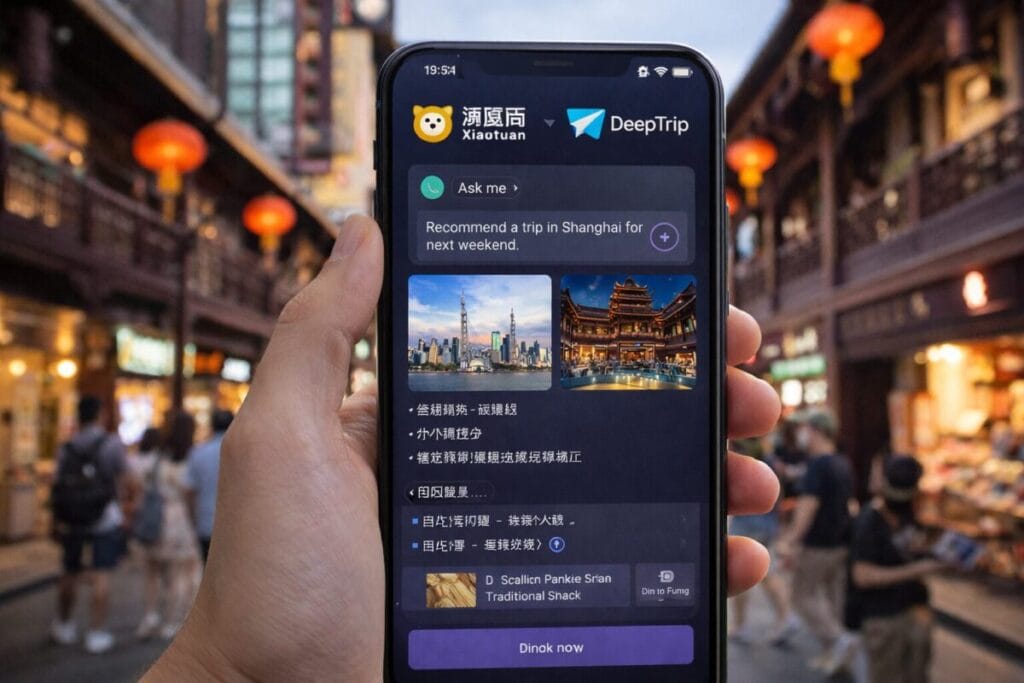
One of the most visible developments in China’s tourism sector is the rise of AI travel assistants capable of organizing entire journeys through conversational interfaces. These digital platforms allow travelers to input basic travel preferences and instantly receive tailored recommendations for destinations, transportation, dining, and entertainment.
Powered by machine learning algorithms and large-scale data analysis, these systems process vast amounts of travel information, including weather patterns, user reviews, traffic conditions, and seasonal tourism trends.
The result is a travel planning experience that is significantly faster and more personalized than traditional methods.
Instead of browsing multiple websites and booking platforms, travelers can receive curated itineraries that match their interests and schedules within seconds.
These platforms are also capable of managing reservations, suggesting nearby attractions, and updating plans dynamically if conditions change during a trip.
Managing Tourism Crowds with Smart Data
Artificial intelligence has proven particularly valuable during China’s busiest travel seasons. National holidays and cultural festivals often draw millions of visitors to popular destinations, creating heavy congestion at major tourist sites.
AI-powered platforms now provide real-time crowd forecasts, traffic predictions, and route optimization tools that help travelers navigate these busy periods more efficiently.
For example, during major festivals, intelligent travel assistants analyze visitor patterns and provide recommendations for less crowded sightseeing times or alternative attractions nearby.
This approach helps distribute tourism activity more evenly across destinations, reducing pressure on infrastructure while improving the visitor experience.
Cities such as Beijing, Shanghai, and Chongqing have increasingly adopted these technologies to support tourism management and improve public mobility during peak travel periods.
AI Enhancing Museum and Cultural Experiences
Artificial intelligence is also transforming how travelers experience culture and heritage across China. Museums, historical sites, and cultural attractions are introducing AI-powered guides that provide personalized tours and interactive storytelling.
These digital guides use voice recognition, augmented reality, and computer vision technologies to deliver information about artifacts and historical landmarks in real time.
Visitors can ask questions, request translations, or receive detailed explanations tailored to their interests and language preferences.
This innovation allows museums to offer multilingual educational experiences without requiring large numbers of human tour guides.
For international travelers, AI-driven interpretation tools make it easier to engage with Chinese history and cultural heritage in an accessible and interactive way.
Encouraging Spontaneous Travel Experiences
Another major impact of AI on tourism in China is the shift toward spontaneous travel behavior. Traditionally, many travelers planned trips weeks or months in advance, researching destinations and booking accommodations ahead of time.
AI-powered travel assistants now enable travelers to make decisions instantly based on real-time recommendations.
For example, travelers can receive suggestions for nearby attractions, restaurants, or cultural events based on their location and personal interests.
This level of convenience encourages travelers to explore local businesses and hidden destinations that might not appear in traditional travel guides.
Smaller cities and rural regions are particularly benefiting from this trend. AI algorithms often highlight unique cultural experiences, traditional villages, and regional cuisine, introducing travelers to destinations beyond China’s major metropolitan areas.
Driving Regional Tourism Growth
As AI platforms guide travelers toward lesser-known destinations, regional tourism economies are beginning to benefit from increased visitor traffic.
Local businesses such as restaurants, hotels, craft markets, and cultural venues are experiencing higher customer engagement as travelers follow AI-generated recommendations.
Tourism authorities have also recognized the value of AI in promoting balanced tourism development.
By analyzing travel patterns and consumer preferences, digital platforms can recommend new tourism routes that spread visitor activity across multiple regions rather than concentrating it in a few iconic destinations.
This approach supports sustainable tourism growth while helping local communities participate more actively in the tourism economy.
Real-Time Travel Management
Artificial intelligence is increasingly integrated into every stage of the travel journey. From booking flights and train tickets to navigating city transportation systems, AI tools provide real-time updates that keep travelers informed and prepared.
Travel platforms can instantly notify users about transportation delays, suggest alternative routes, or recommend nearby accommodations if plans change.
These features are particularly valuable in large cities where traffic conditions, transportation schedules, and weather conditions may shift quickly.
The ability to adapt travel plans instantly improves efficiency and reduces stress for both domestic and international travelers.
Supporting Sustainable Tourism
AI technology is also contributing to environmental sustainability in China’s tourism sector. By analyzing travel demand patterns, digital systems can recommend eco-friendly transportation options, energy-efficient accommodations, and responsible tourism activities.
Smart travel platforms can highlight rail travel alternatives, promote low-impact tourism experiences, and guide visitors toward destinations that prioritize environmental conservation.
This integration of sustainability into travel planning supports China’s broader efforts to develop greener tourism infrastructure while protecting natural and cultural heritage.
A New Standard for Global Tourism Innovation
China’s rapid adoption of AI-powered tourism services is influencing the global travel industry. As intelligent travel assistants become more sophisticated, they are setting new expectations for how travelers interact with tourism technology.
Travelers increasingly expect personalized recommendations, instant booking capabilities, and real-time travel support integrated into a single platform.
China’s tourism ecosystem demonstrates how artificial intelligence can create seamless travel experiences that combine convenience, efficiency, and cultural discovery.
Conclusion
Artificial intelligence is transforming China’s tourism industry at an unprecedented pace. From smart travel assistants and AI-powered museum guides to real-time trip planning and sustainable tourism recommendations, technology is redefining how travelers explore the country.
As AI systems continue to evolve, they are likely to become an essential part of the travel experience, helping millions of visitors navigate China’s vast cultural landscape more easily and efficiently.
With intelligent technology guiding every step of the journey, the future of travel in China is becoming more connected, personalized, and innovative than ever before.
For more travel news like this, keep reading Global Travel Wire