Escalating geopolitical tensions across West Asia are creating major challenges for tourism, aviation, and economic stability in several Middle Eastern nations. Countries including Jordan, the United Arab Emirates, Saudi Arabia, Iraq, Bahrain, Qatar, and Oman are facing growing pressure as security concerns and airspace restrictions disrupt travel and regional connectivity.
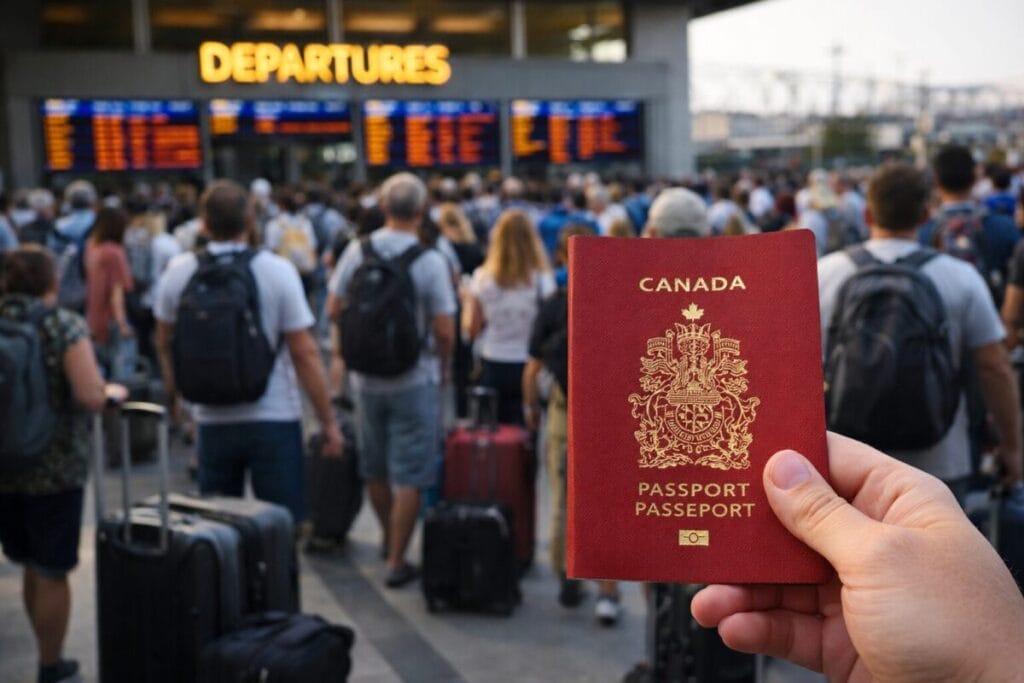
In response to the evolving situation, Canada has issued updated travel advisories urging citizens to reconsider non-essential travel to several countries in the region. The advisory reflects rising safety concerns as military activity, diplomatic tensions, and airspace closures impact transportation networks and tourism flows.
These developments come at a time when many Middle Eastern destinations were experiencing a steady recovery in international tourism following recent global travel disruptions.
Rising Regional Tensions Affect Travel and Aviation
Recent military actions and heightened political rivalry among regional powers have significantly increased instability across the Middle East. Airspace restrictions imposed over parts of the region have forced airlines to reroute flights or suspend operations entirely.
For travelers, these disruptions have resulted in flight cancellations, longer travel routes, and uncertainty surrounding international connections. Major airlines operating in the Gulf have had to adjust schedules due to the closure of certain aviation corridors.
Airspace closures can dramatically alter international flight networks because the Middle East serves as a key transit region linking Europe, Asia, and Africa. When flight routes become restricted, airlines must navigate longer paths, increasing operational costs and travel time.
This situation has affected not only tourism but also business travel and international trade routes that depend on reliable air connectivity.
Canada Urges Citizens to Exercise Caution
Canadian authorities have advised travelers to closely monitor developments and avoid unnecessary travel to certain parts of the Middle East while the security environment remains uncertain.
Travel advisories are issued when governments believe there is a heightened risk for citizens abroad due to political instability, military activity, or disruptions to transportation systems.
Officials have emphasized that conditions may change quickly, and travelers should stay informed through official updates before planning trips to the region.
The advisory also highlights the possibility of sudden transportation disruptions, including flight suspensions and border restrictions.
Jordan Faces Economic and Tourism Challenges
Jordan, known for iconic attractions such as Petra and the Dead Sea, is among the countries feeling the economic impact of the regional tensions. Tourism plays a crucial role in the Jordanian economy, providing employment and supporting local businesses across the hospitality sector.
However, rising security concerns and reduced travel confidence have begun to affect visitor numbers. In addition, border closures and logistical disruptions are impacting trade and transportation routes.
Jordan has historically served as a regional hub for humanitarian operations and diplomatic engagement, which adds additional pressure on the country’s infrastructure during times of crisis.
Despite these challenges, Jordanian authorities continue efforts to maintain stability and reassure international visitors about safety in major tourism areas.
Gulf Nations Navigate Economic and Security Pressures
Several Gulf countries, including the United Arab Emirates, Saudi Arabia, Qatar, Bahrain, and Oman, are also navigating the economic effects of the regional tensions.
The United Arab Emirates has long been a major global tourism and aviation hub, attracting millions of travelers annually to cities such as Dubai and Abu Dhabi. However, geopolitical uncertainty can influence travel demand and airline operations.
Saudi Arabia, which has been investing heavily in tourism development as part of its economic diversification strategy, also faces potential challenges as regional tensions affect investor confidence and travel patterns.
Qatar and Oman, both known for strategic diplomacy and international partnerships, are monitoring developments closely while working to maintain stability in their aviation and tourism sectors.
Bahrain, a financial center in the Gulf region, is similarly affected by economic uncertainty linked to geopolitical developments.
Iraq Confronts Security and Economic Strain
Iraq remains particularly vulnerable due to its complex security environment and economic reliance on energy exports. The country has faced decades of conflict and reconstruction challenges, and renewed regional tensions add further strain.
Travel advisories for Iraq remain among the strictest due to security concerns and the unpredictable nature of regional developments.
Infrastructure damage, economic instability, and security risks continue to affect the country’s ability to attract international visitors and investment.
Lebanon’s Fragile Economy Adds to Regional Concerns
Lebanon’s economic crisis has already placed the country under severe financial pressure. The broader geopolitical tensions in the Middle East have intensified concerns about the country’s stability.
Inflation, currency challenges, and shortages of basic services have significantly impacted daily life and tourism infrastructure. While Lebanon remains culturally significant and historically popular with travelers, the current economic environment has reduced tourism activity.
Regional conflict risks further complicating recovery efforts in the country’s hospitality and travel industries.
Impact on Tourism and Regional Travel
The Middle East has long been a crossroads of global travel, with major aviation hubs connecting continents and supporting international tourism. However, the latest geopolitical developments have highlighted how quickly travel patterns can change when security concerns emerge.
Airspace closures and military activity can lead to widespread aviation disruptions, affecting passengers, airlines, and tourism operators.
Tour operators are advising travelers to remain flexible with their plans and to consider alternative destinations if conditions remain uncertain.
A Period of Uncertainty for Regional Tourism
Despite the current challenges, many Middle Eastern countries continue working to protect tourism infrastructure and maintain stability within their borders. Governments across the region are coordinating with international partners to manage security risks and maintain essential transportation routes.
Tourism officials emphasize that the region still offers significant cultural, historical, and natural attractions. However, the recovery of international travel will depend heavily on improvements in geopolitical stability.
For now, travelers are encouraged to remain informed, follow government advisories, and prioritize safety when considering trips to the Middle East.
As the situation continues to evolve, governments and airlines are closely monitoring developments to minimize disruption and restore confidence in regional travel.
For more travel news like this, keep reading Global Travel Wire