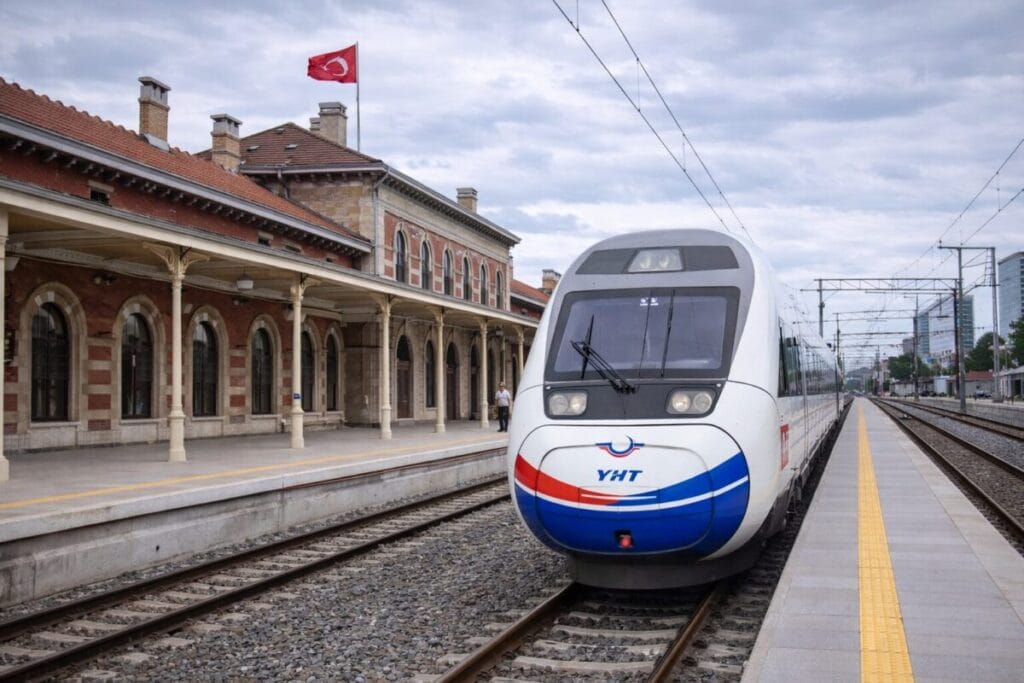
Türkiye is strengthening its position as a leader in sustainable rail transportation through a major program focused on restoring historic railway stations and expanding high-speed and electrified rail lines. These developments aim to improve passenger experience, enhance national connectivity, and support environmentally friendly travel across the country.
Railways have long played a vital role in Türkiye’s transportation network, linking cities, regions, and cultural destinations. With growing demand for efficient and sustainable mobility, the government has accelerated investment in rail infrastructure while ensuring that historic stations remain preserved as cultural landmarks.
By modernizing key stations and extending high-speed rail routes, Türkiye is creating a rail system that combines heritage preservation with modern transport technology.
Restoring Historic Railway Stations
One of the most notable aspects of Türkiye’s railway modernization program is the restoration of historically significant railway stations. Across the country, dozens of stations have undergone renovation designed to preserve their architectural character while introducing modern passenger facilities.
Railway stations in Türkiye are often more than transportation hubs; they are also cultural icons reflecting the country’s history and architectural heritage. Many were originally built during the late Ottoman period or early years of the Turkish Republic and remain central elements of urban landscapes.
Restoration projects have focused on maintaining traditional design elements while strengthening structural integrity and updating essential systems such as electricity, lighting, and passenger amenities.
The renovations aim to ensure that these historic buildings continue to serve travelers while preserving their original aesthetic qualities.
Structural Reinforcement and Safety Improvements
Safety has been a key priority during the modernization process. Several railway stations located in seismic zones have undergone structural reinforcement to improve resilience against earthquakes.
Engineering teams have implemented advanced strengthening techniques designed to protect historic structures while ensuring compliance with modern safety standards.
Electrical systems, mechanical infrastructure, and operational technologies have also been upgraded to meet contemporary railway requirements. These improvements allow stations to operate more efficiently while providing passengers with safer and more comfortable travel experiences.
Landscaping and public spaces surrounding the stations have also been enhanced, creating more welcoming environments for travelers and visitors.
Accessibility for All Travelers
Accessibility improvements form another important component of the modernization effort. Many renovated stations now feature improved facilities designed to accommodate passengers with disabilities and reduced mobility.
New installations include accessible ticket counters, ramps, elevators, and redesigned waiting areas. These upgrades help ensure that rail travel in Türkiye remains inclusive and accessible to all passengers.
Accessible infrastructure is increasingly recognized as an essential element of modern transportation systems worldwide. By incorporating these features into historic station restorations, Türkiye is demonstrating how heritage preservation and modern inclusivity can coexist.
Expanding the High-Speed Rail Network
Alongside station restoration, Türkiye has significantly expanded its railway network in recent years, particularly through the development of high-speed rail lines.
High-speed trains have transformed travel between major cities, offering faster and more comfortable alternatives to road transport. Routes connecting cities such as Ankara, Istanbul, Konya, and Eskişehir have become especially popular among both domestic travelers and international visitors.
Since the early 2000s, Türkiye has invested heavily in new rail infrastructure, adding thousands of kilometers of track to its national network. These investments have increased rail capacity, reduced travel times, and strengthened regional connectivity.
The expansion of high-speed rail has also positioned Türkiye among the leading high-speed train operators in Europe.
Electrification and Advanced Rail Technology
Another key component of the modernization strategy involves expanding electrified rail lines and modern signaling systems.
Electrification reduces reliance on diesel-powered trains and significantly lowers carbon emissions, making rail travel one of the most environmentally sustainable transportation options.
Advanced signaling systems have also been introduced across large portions of the railway network, improving operational safety and allowing trains to run more efficiently.
Modern rail technologies enable better traffic management, reduce delays, and enhance passenger safety. These improvements contribute to a more reliable transportation system capable of supporting increasing passenger demand.
Railways and Sustainable Tourism
Rail travel is widely recognized as a sustainable alternative to air and road transportation. Trains typically produce fewer greenhouse gas emissions per passenger and require less energy compared with other forms of transport.
As countries around the world seek to reduce environmental impact, railways are becoming increasingly important for sustainable tourism development.
Türkiye’s railway expansion allows travelers to reach cultural landmarks, historic towns, and natural landscapes without relying heavily on private vehicles.
Scenic rail routes connecting coastal areas, mountain regions, and historic cities offer travelers an environmentally friendly way to explore the country.
Enhancing Passenger Experience
Modern railway stations and improved train services have significantly enhanced the overall passenger experience in Türkiye.
Renovated stations now provide comfortable waiting areas, improved ticketing systems, digital information displays, and upgraded passenger facilities.
High-speed trains also offer modern interiors, onboard services, and faster journey times that make rail travel more attractive for both business travelers and tourists.
These improvements encourage more travelers to choose trains for domestic journeys, supporting the country’s goal of creating a sustainable transportation network.
Cultural Heritage Meets Modern Mobility
One of the most distinctive features of Türkiye’s rail modernization program is its focus on preserving cultural heritage while embracing modern technology.
Historic railway stations continue to serve as reminders of the country’s rich transportation history, while new high-speed lines represent the future of mobility.
By combining these elements, Türkiye has created a railway system that respects tradition while meeting the needs of modern travelers.
Future of Rail Travel in Türkiye
Looking ahead, Türkiye plans to continue expanding its rail infrastructure with additional high-speed routes and electrified lines connecting more regions of the country.
These investments are expected to strengthen economic development, improve regional connectivity, and further support tourism growth.
With ongoing improvements in safety, sustainability, and passenger comfort, railways are set to remain a central part of Türkiye’s transportation strategy.
For travelers exploring the country’s diverse landscapes and historic destinations, the evolving rail network offers an efficient, environmentally friendly, and culturally enriching way to experience Türkiye.
For more travel news like this, keep reading Global Travel Wire