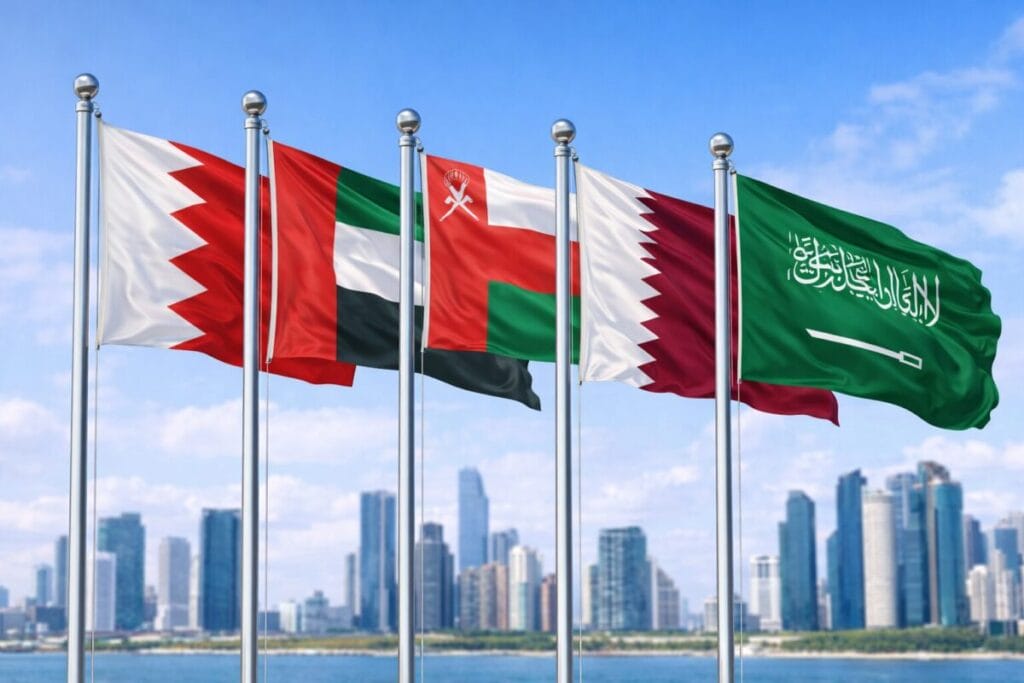
South Korea has issued an updated travel advisory warning its citizens about visiting several countries in the Middle East as regional tensions continue to influence security conditions. The advisory, released by the country’s Ministry of Foreign Affairs, raises the alert level to Level 3, urging nationals to reconsider travel plans and advising those already in certain areas to consider leaving if possible.
The advisory applies to Bahrain, the United Arab Emirates, Oman, Qatar, Kuwait, Saudi Arabia and Jordan. Officials stated that the heightened alert reflects concerns about geopolitical instability and potential security risks across the region. Travelers are encouraged to remain cautious and review their travel arrangements carefully before proceeding with visits to these destinations.
Countries Included in the New Travel Advisory
Under the updated notice, the Level 3 travel advisory covers the entire territories of Bahrain, the United Arab Emirates, Oman, Qatar and Kuwait. The South Korean government recommends postponing non-essential travel to these countries until the security environment becomes more stable.
These nations are popular destinations for tourism and international business due to their modern infrastructure, global airlines, and large expatriate communities. However, the government emphasized that the advisory is intended as a precautionary measure aimed at protecting citizens from possible risks linked to regional developments.
Authorities also highlighted that while these countries generally maintain strong security systems and advanced tourism infrastructure, evolving geopolitical tensions could affect travel conditions with little warning.
Region-Specific Warnings in Saudi Arabia
The travel advisory for Saudi Arabia is more targeted, focusing on specific high-security zones rather than the entire country. According to the announcement, certain strategic areas have been placed under the Level 3 warning due to their economic and military significance.
Locations included in the advisory involve the area surrounding Ras Tanura, which hosts major oil facilities, as well as regions near the Shaybah oil field and Prince Sultan Air Base. Authorities have placed a security buffer zone extending approximately 20 kilometers around these facilities under the warning level.
These locations are considered sensitive infrastructure sites because of their importance to global energy production and national defense operations. As a result, they may face increased security concerns during periods of regional instability.
Travelers planning visits to Saudi Arabia are encouraged to review their itineraries carefully and avoid these areas unless travel is absolutely necessary.
Advisory Targeting Eastern Jordan
In Jordan, the travel advisory focuses primarily on the eastern region of the country. Areas located east of the city of Zarqa have been identified as higher-risk zones under the Level 3 warning.
Jordan remains one of the Middle East’s most visited destinations due to iconic attractions such as Petra, the Dead Sea and Wadi Rum desert landscapes. However, the government noted that certain border-adjacent areas may experience heightened security challenges during times of regional tension.
Visitors traveling within Jordan are encouraged to remain aware of local conditions and follow guidance issued by authorities and diplomatic missions.
What a Level 3 Travel Advisory Means
A Level 3 travel advisory represents one of the highest caution levels issued by South Korea’s government for international travel. This classification signals that travelers should seriously reconsider visiting the affected locations due to significant safety concerns.
Level 3 advisories are typically issued when authorities believe the risks associated with travel could increase because of political unrest, military activity, security threats or natural hazards.
Although it does not constitute a complete travel ban, the advisory strongly encourages citizens to delay travel plans and consider leaving the region if they are already present unless their stay is essential.
Government officials emphasize that such advisories are precautionary tools designed to ensure citizens remain informed and protected while abroad.
Impact on Tourism and International Travel
The travel warning could influence tourism flows and international business travel to the Middle East, especially for travelers from South Korea. The region has become increasingly popular for Korean tourists due to luxury resorts, desert adventures, cultural attractions and major international events.
Cities such as Dubai, Abu Dhabi, Doha and Muscat have built reputations as global tourism hubs offering world-class hotels, shopping centers and entertainment districts. These destinations also serve as major airline hubs connecting travelers between Asia, Europe and Africa.
However, travel advisories often lead some travelers to delay or adjust their itineraries until security conditions improve. Tour operators and travel agencies may also advise clients to consider alternative destinations if safety concerns persist.
Business travel could also be affected, particularly for companies that frequently send employees to the Gulf region for trade, energy and construction projects.
Guidance for Citizens Currently in the Region
South Korean authorities have also issued practical advice for citizens who are already living, working or traveling in the affected countries.
Nationals currently in the region are encouraged to remain alert, monitor local developments and follow safety guidance from embassies and local authorities. Those who do not have urgent reasons to remain are advised to consider departing until conditions stabilize.
Travelers who must stay are encouraged to take several precautions:
- Avoid large gatherings and politically sensitive areas
- Stay informed through official government announcements
- Maintain communication with family or employers
- Register with their nearest embassy for emergency updates
Embassies across the region continue to coordinate with local authorities to support citizens and provide updated information as the situation evolves.
Long-Term Effects on Regional Tourism
The Middle East has invested heavily in tourism infrastructure over the past decade, aiming to diversify economies beyond energy industries. Countries like the United Arab Emirates, Qatar and Saudi Arabia have launched ambitious tourism strategies that include international events, luxury resorts and cultural heritage projects.
While the current advisory may temporarily affect travel decisions for some visitors, industry analysts suggest that the long-term impact will depend on how quickly regional tensions ease.
Tourism officials across the Gulf continue to promote their destinations as safe, modern and welcoming for international travelers.
Staying Informed Before Traveling
As global travel conditions can change rapidly, experts recommend that travelers regularly review official travel advisories before planning international trips.
Understanding local security conditions, monitoring official updates and remaining flexible with travel plans can help ensure safer journeys.
For now, South Korea’s updated advisory serves as a reminder that travelers should stay informed and prioritize safety when considering travel to regions experiencing geopolitical uncertainty.
For more travel news like this, keep reading Global Travel Wire