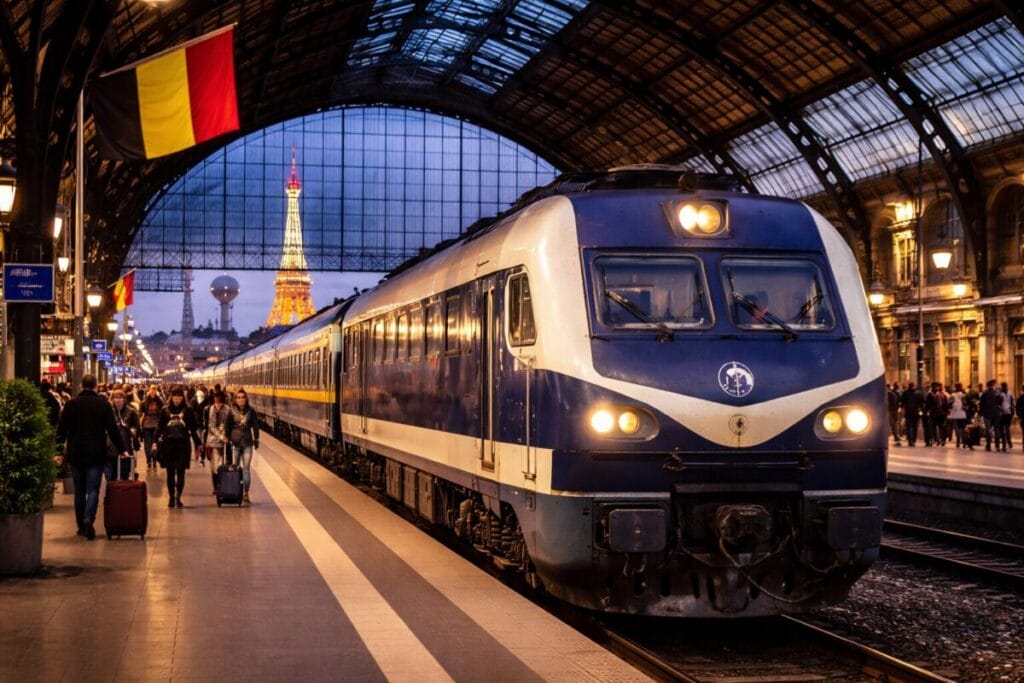
Europe will welcome a new overnight train connecting Paris and Berlin in March 2026. The service will operate under the European Sleeper cooperative. Travelers will gain a comfortable and sustainable alternative to flights between the two capitals.
The train will depart on March 26 and run three nights each week. The route will connect France, Belgium, and Germany through several strategic stops. Officials expect the line to strengthen tourism and regional connectivity across Western Europe.
Passengers will enjoy the convenience of overnight travel between two major European cities. They will save daylight hours and arrive refreshed the next morning. Meanwhile, the train will offer a slower and more scenic travel experience across the continent.
European Sleeper Revives Cross-Border Night Rail Travel
European rail travel has experienced a revival in recent years. Many governments now support rail networks that reduce carbon emissions. Night trains have become a key part of that strategy.
The Paris–Berlin night train arrives after previous services ended in late 2025. France stopped funding subsidies that supported earlier operations. As a result, rail companies withdrew overnight services between the two countries.
European Sleeper stepped in to fill that gap. The cooperative focuses on international night trains across Europe. Its new route will operate on Monday, Wednesday, and Friday evenings.
The service will provide modern sleeper cabins, seating compartments, and onboard facilities. Travelers will enjoy sleeping cabins designed for comfort and privacy. These amenities make the train appealing for both tourists and business travelers.
Liège and Mons Gain Direct Access to Major European Capitals
The train route will stop in Liège and Mons in Belgium. It will also stop in Aulnoye-Aymeries in northern France. These stops will expand travel opportunities for regional passengers.
Liège stands as one of Belgium’s largest cities. The city hosts a major university, vibrant culture, and strong industrial heritage. Direct rail access to Paris and Berlin will improve its international visibility.
Mons also plays an important role in Belgian tourism. The city attracts visitors with historic architecture and cultural festivals. Many travelers visit Mons for its UNESCO-listed belfry and charming medieval streets.
With the new train service, visitors can reach these cities more easily. Tourists traveling between Paris and Berlin may add Belgian destinations to their journeys. As a result, Liège and Mons may see stronger tourism growth in the coming years.
Sustainable Travel Drives the Rise of Night Trains
Environmental concerns continue to reshape travel across Europe. Many travelers now seek transport options that reduce carbon emissions. Rail travel produces far lower emissions than short-haul flights.
Night trains also reduce daytime travel congestion. Passengers board the train in the evening and sleep during the journey. They arrive at their destination early the next morning.
This travel model saves time and energy for many passengers. Travelers avoid airport security lines and long check-in procedures. Instead, they board the train at central city stations.
European governments continue to promote rail travel as a climate-friendly alternative. New and revived night train routes support these sustainability goals. The Paris–Berlin service fits perfectly into this broader shift.
Economic Benefits for Regional Cities
The new rail connection may bring economic benefits to several cities along the route. Tourism growth often follows improved transportation access. When travel becomes easier, more visitors explore new destinations.
Liège and Mons will gain stronger links to two major European capitals. These connections may encourage business exchanges, conferences, and cultural events. Entrepreneurs and students will also benefit from faster regional mobility.
Local hotels, restaurants, and tour operators may see increased demand. Tourism officials in Belgium already promote rail travel as a convenient entry point for visitors. The night train could support those efforts.
Furthermore, stronger rail networks encourage cross-border cooperation. Cities connected by rail often develop partnerships in education, culture, and technology. These relationships can drive long-term regional development.
Passenger Comfort and Travel Experience
Night trains provide a unique travel experience compared with flights or daytime rail journeys. Passengers can relax in sleeper cabins while the train travels across the continent.
Most overnight trains offer several accommodation types. Travelers can choose private sleeper cabins, couchettes, or reclining seats. Each option provides different levels of comfort and privacy.
Passengers can also enjoy onboard dining and lounge areas. Many travelers appreciate the relaxed atmosphere during overnight journeys. They wake up close to their destination instead of spending hours in transit.
The Paris–Berlin route will likely attract tourists seeking a classic European rail experience. Overnight travel allows visitors to watch landscapes change across countries.
Future Expansion of European Night Train Networks
Europe has started a strong revival of overnight train travel. Several new routes have launched during the past few years. Governments and private companies both invest in rail infrastructure.
Rail operators believe night trains will play a major role in sustainable tourism. New routes could eventually connect more European capitals and regional cities. These connections may reduce reliance on short-haul flights.
The Paris–Berlin service could serve as a model for future rail expansion. Successful operations may encourage new international night routes across Europe.
Rail experts expect demand for overnight travel to grow steadily. Travelers increasingly value comfort, sustainability, and city-center connections.
A New Chapter for European Rail Travel
The new Paris–Berlin night train represents an important milestone for European transportation. It restores a vital cross-border connection between France and Germany. At the same time, it places Liège and Mons on a major international rail route.
Passengers will gain a convenient, sustainable, and scenic travel option across Western Europe. Meanwhile, regional cities will benefit from improved accessibility and tourism opportunities.
When the train launches in March 2026, it will mark a new chapter for overnight rail travel. The route demonstrates Europe’s commitment to modern, connected, and environmentally responsible transportation.
For more travel news like this, keep reading Global Travel Wire