In a rapidly evolving geopolitical landscape, the United States Embassy has issued a fresh security alert on March 16, 2026, warning of heightened risks across Iraq and the broader Middle East due to escalating tensions linked to Iran. For travelers, expatriates, and global tourists, the advisory underscores a stark reality: this is no longer just a regional conflict—it’s a situation with direct implications for international mobility and safety.
The alert comes amid intensifying hostilities between Iran, the United States, and allied forces, which have triggered a surge in drone strikes, missile attacks, and militia activity across key locations in Iraq. Recent incidents, including attempted drone attacks on diplomatic facilities and escalating violence in Baghdad’s Green Zone, highlight the volatile security environment.
A Region on Edge
According to official guidance, U.S. citizens in Iraq are strongly advised to avoid travel, limit movement, and remain prepared to shelter in place due to unpredictable security threats. The advisory reiterates the long-standing Level 4: Do Not Travel warning, citing terrorism, armed conflict, and civil unrest as ongoing dangers.
The situation has worsened following the broader Iran conflict, which has spilled into neighboring countries and strategic zones such as the Strait of Hormuz—one of the world’s most critical oil routes. Attacks on infrastructure, airports, and diplomatic missions have disrupted not just regional stability but also global travel corridors.
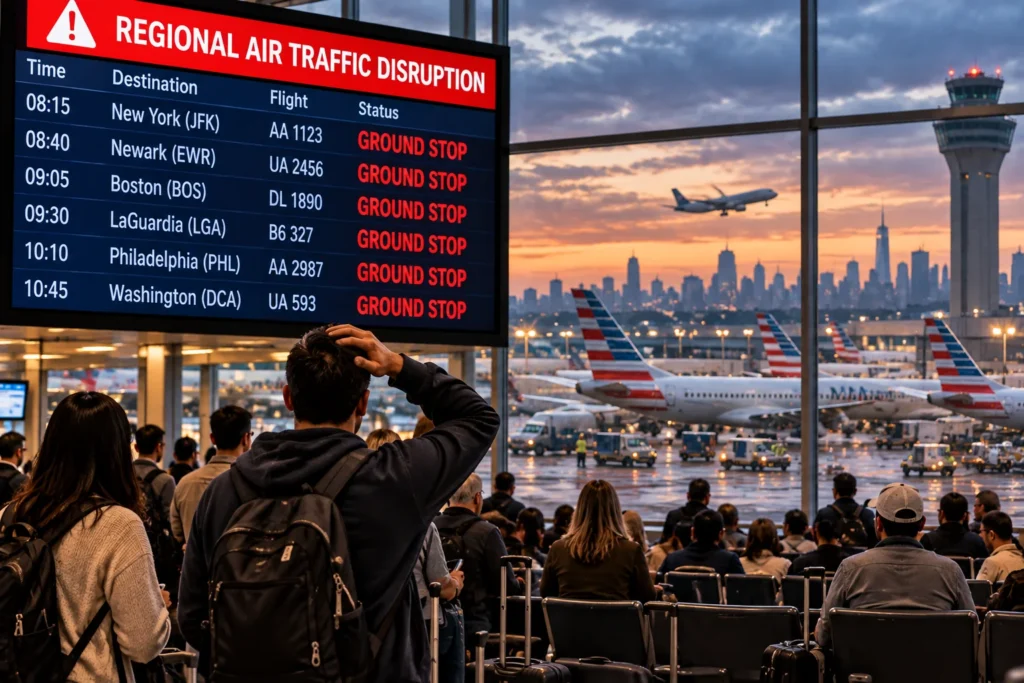
For travelers, this means increased flight cancellations, airspace closures, and limited evacuation options. In some cases, commercial flights have been suspended, forcing foreign nationals to rely on land exits through neighboring countries.
What the Security Alert Means for Travelers
The March 16 update emphasizes several key precautions:
- Avoid all non-essential travel to Iraq and surrounding conflict zones
- Stay updated through embassy alerts and emergency communication channels
- Identify nearby shelters in case of sudden attacks
- Maintain a low profile and avoid crowded public areas
Officials also stress that security conditions can change “without warning,” with threats ranging from rocket fire to unmanned aerial systems.
For international tourists, particularly those planning Middle East itineraries, this alert signals the need for immediate reassessment. Popular travel hubs may remain operational, but proximity to conflict zones increases risk levels significantly.
Tourism Impact: A Sudden Shift
The ripple effect on tourism is already visible. Travel agencies are reporting cancellations across Iraq and nearby regions, while airlines continue to adjust routes to avoid high-risk airspace. Neighboring destinations in the Gulf are also experiencing disruptions, including temporary airspace closures and heightened airport security.
For travel insurers and tour operators, the advisory introduces new complexities. Policies may exclude coverage for conflict-related disruptions, leaving travelers financially exposed if plans change suddenly.
A Cautious Path Forward
While the Middle East has long been a region of rich cultural heritage and tourism appeal, the current climate demands caution. Experts advise travelers to prioritize safety over itinerary commitments and to monitor official government updates closely.
For those already in the region, embassies are urging constant vigilance and preparedness, including contingency plans for rapid evacuation if conditions deteriorate further.
As the geopolitical situation continues to unfold, one thing is clear: travel in 2026 is being reshaped in real time by global events. For now, flexibility, awareness, and adherence to official advisories remain the most essential tools for any traveler navigating this uncertain landscape.”
Stay safe, stay alert- follow Global Travel Wire for more updates.