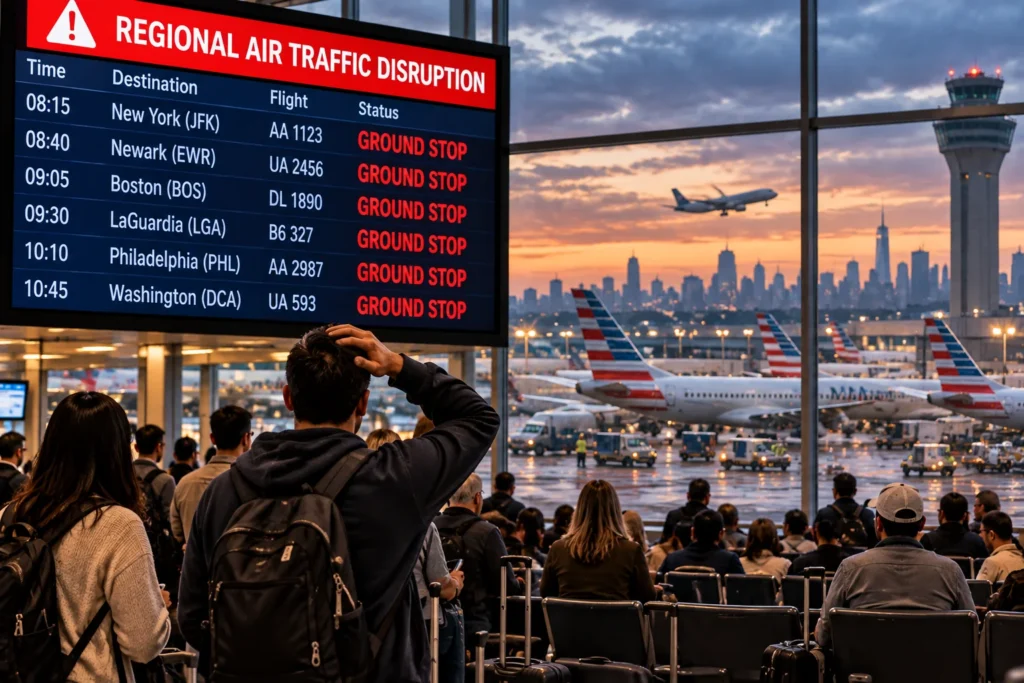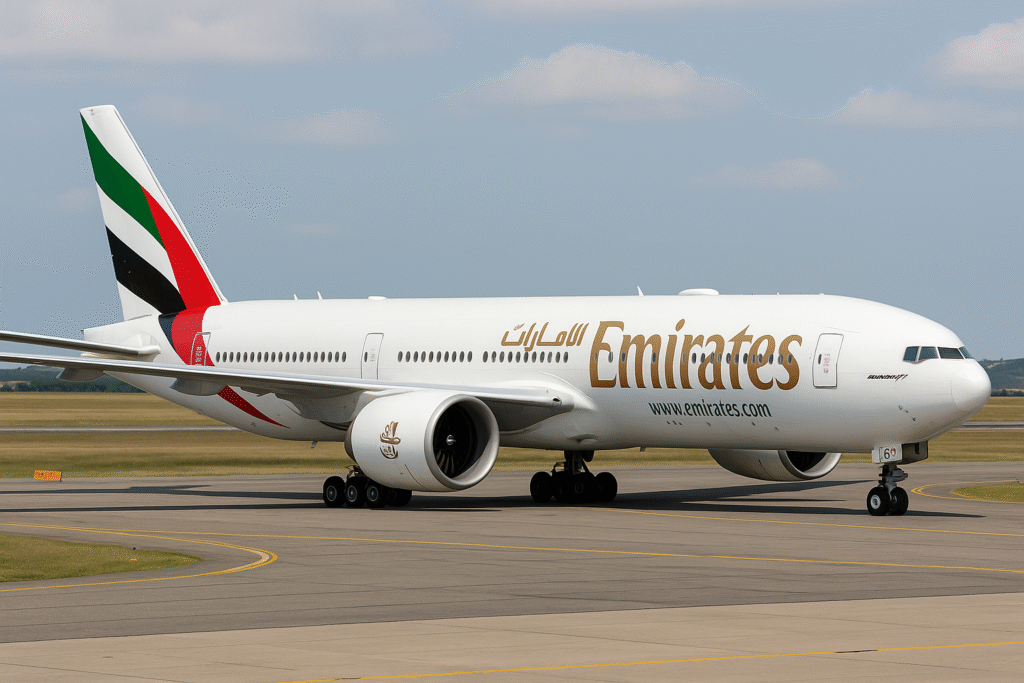
In a dramatic turn of events that has sent shockwaves through the global aviation industry, Emirates has temporarily suspended all services to and from Dubai, one of the world’s busiest travel hubs. The decision comes amid escalating geopolitical tensions in the Middle East and a recent drone-related incident near Dubai International Airport, leaving thousands of passengers stranded and travel plans in disarray.
A Crisis Unfolds in the Skies
The suspension follows a drone strike that hit a fuel tank close to Dubai International Airport, sparking a fire and forcing authorities to halt flight operations as a precautionary measure. While emergency teams quickly brought the blaze under control, the incident triggered widespread disruption across the region’s aviation network.
Emirates, widely regarded as a backbone of international connectivity, urged passengers not to proceed to the airport until further notice, emphasizing that safety remains its top priority.
The airline’s decision underscores the severity of the situation, as Dubai serves as a critical transit hub linking Asia, Europe, and the Americas. Even a brief suspension has ripple effects across continents.
Limited Operations Resume — But Uncertainty Lingers
Although operations were initially halted entirely, Emirates has since begun restoring a limited flight schedule. Flights resumed gradually after local authorities deemed conditions safe enough for restricted operations, though many routes remain cancelled or delayed.
Passengers affected by cancellations have been offered flexible rebooking options or full refunds, reflecting the airline’s attempt to manage the fallout.
However, the situation remains fluid. Travel experts warn that further disruptions are likely as tensions in the region continue to evolve.
A Wider Regional Fallout
The Emirates suspension is not an isolated event. Several international carriers, including British Airways and Air India, have also scaled back or suspended services to Dubai and other Gulf destinations due to safety concerns.
The broader crisis stems from escalating conflict in the Middle East, with drone and missile activity affecting critical infrastructure and prompting temporary airspace closures across multiple countries.
As a result, thousands of flights have been cancelled, rerouted, or delayed, disrupting global travel flows and stranding passengers in transit hubs worldwide.
Impact on Travellers — Especially Indians
The disruption has hit Indian travellers particularly hard, given the heavy traffic between India and the UAE. Authorities, including the Indian Embassy in Abu Dhabi, have issued advisories urging citizens to stay updated and exercise caution while planning travel.
Travel agencies report a surge in cancellations and last-minute itinerary changes, with many passengers scrambling to find alternative routes via nearby cities such as Abu Dhabi or Sharjah.
Tourism and Economic Concerns
Dubai’s tourism sector, a key pillar of its economy, faces renewed uncertainty. The city, known for its luxury hospitality and global events, could see a dip in visitor numbers if disruptions persist.
Experts warn that prolonged instability could have a cascading effect on airlines, hotels, and tour operators, particularly during peak travel seasons.
What Travellers Should Do Now
For travellers with upcoming plans to Dubai, flexibility is essential. Industry insiders recommend:
- Checking flight status regularly through official airline channels
- Avoiding airport travel without confirmed bookings
- Considering alternative routes or postponing non-essential travel
As the situation continues to unfold, airlines and authorities are closely monitoring developments, with passenger safety remaining the top priority.