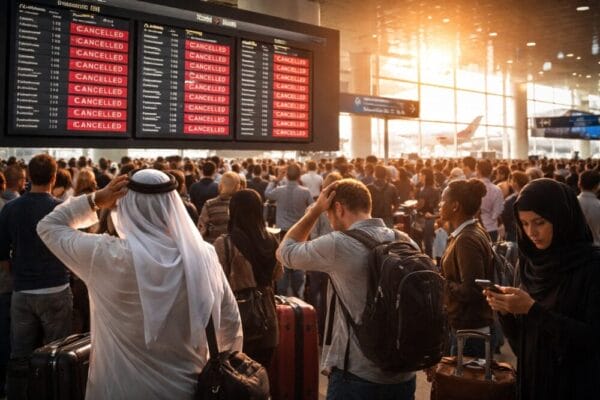
A growing conflict in the Middle East has started to disrupt global travel patterns. Airlines, governments, and tourism operators now face rising uncertainty. The situation has affected key international routes, especially those connecting major hubs.
Travel advisories have warned passengers to exercise caution when planning trips. Authorities have highlighted potential risks such as airspace closures and public demonstrations. These warnings reflect the global impact of the ongoing situation.
Travelers must now monitor updates closely before departure. Many rely on official advisories to make informed decisions. This shift has changed how people approach international travel.
Flight Routes Face Major Disruptions and Delays
Airlines have adjusted flight paths due to restricted airspace in parts of the Middle East. Flights that once followed direct routes now take longer paths. These changes increase travel time and fuel consumption.
Passengers traveling between Africa, Europe, and Asia have felt the impact. Flights connecting cities like Dubai and Johannesburg now face longer durations. Travelers often experience missed connections and unexpected delays.
Airlines must manage schedules carefully to maintain operations. Crew availability and aircraft rotations have become more complex. These challenges add pressure to already stretched airline systems.
Travelers now plan for longer journeys and potential disruptions. Flexibility has become essential for international trips.
Airlines Face Financial and Operational Strain
The aviation industry has started to feel the financial impact of these disruptions. Airlines must absorb higher fuel costs due to longer routes. They also face revenue losses from cancellations and reduced demand.
Major carriers have suspended flights to affected regions. These decisions aim to protect passengers and crews from potential risks. However, they also reduce connectivity across key markets.
Airlines must balance safety with operational efficiency. This balance requires constant adjustments and strategic planning. The situation has created a challenging environment for global carriers.
The financial strain may continue if disruptions persist. Airlines must prepare for long-term impacts on their operations.
African Aviation Sector Faces Significant Impact
African airlines that connect multiple regions have faced severe disruptions. Some carriers have cancelled numerous flights to the Middle East. These cancellations affect thousands of passengers each week.
Revenue losses have increased due to reduced operations. Airlines also face challenges in maintaining cargo services. This disruption affects trade and logistics across regions.
The aviation sector in Africa plays a key role in connecting continents. Disruptions in this network can affect global travel flows. Airlines must find alternative routes to maintain connectivity.
This situation highlights the vulnerability of interconnected aviation systems.
Tourism Industry Faces Rising Uncertainty
Tourism bodies across Africa and other regions have expressed concern. Travel disruptions can reduce visitor confidence and affect bookings. Destinations that rely on international arrivals may see slower growth.
Some regions have experienced mixed outcomes. Certain destinations have gained interest as travelers seek safer alternatives. Countries like South Africa, Kenya, and Mauritius have seen increased attention.
However, this shift remains uneven across the continent. Some destinations struggle to attract visitors due to limited connectivity. Infrastructure and perception play a major role in tourism recovery.
Tourism leaders must adapt strategies to maintain visitor interest. Clear communication and safety measures remain essential.
Travelers Show Changing Booking Behavior
Travelers have started to adjust their plans in response to uncertainty. Many choose to postpone trips rather than cancel them completely. This approach allows them to wait for more stable conditions.
Premium travelers now demand flexible booking options. They expect easy changes and refunds in case of disruptions. Airlines and travel companies must meet these expectations.
Budget travelers face different challenges. Higher fares and limited availability affect their decisions. Travel planning has become more complex for all segments.
Confidence plays a key role in travel decisions. Any disruption can influence how and when people choose to travel.
Governments Issue Alerts and Safety Guidelines
Governments have issued updated travel advisories to protect citizens. These alerts encourage travelers to stay informed and avoid high-risk areas. Authorities also recommend registering with embassy programs for emergency support.
Travelers must rely on official sources for accurate information. Misinformation can create unnecessary panic and confusion. Governments continue to monitor the situation closely.
Tourism organizations have also stepped in to reassure visitors. They highlight safety measures and promote stable destinations. This effort aims to maintain confidence in global travel.
Coordination between governments and industry players remains crucial.
Airlines and Tourism Sector Adapt to Crisis
Airlines have introduced new strategies to manage ongoing disruptions. They offer flexible booking policies and alternative routes. These measures help reduce the impact on passengers.
Tourism boards have increased efforts to promote safe travel experiences. They emphasize security, infrastructure, and accessibility. These campaigns aim to attract cautious travelers.
The industry continues to adapt to changing conditions. Innovation and flexibility play a key role in this process. Businesses must respond quickly to maintain stability.
Travel companies also focus on clear communication with customers. Transparency helps build trust during uncertain times.
Global Travel Faces a Critical Turning Point
The current situation marks a significant moment for global travel. The Middle East conflict has highlighted the fragility of international aviation networks. Even regional disruptions can affect worldwide travel.
Travelers now approach trips with greater caution and awareness. They seek reliable information and flexible options. This shift will likely influence future travel trends.
The tourism industry must continue to evolve in response to global challenges. Resilience and adaptability will define success in the coming years.
Uncertainty Shapes the Future of Travel
The ongoing conflict has created a new level of uncertainty for travelers. People must balance their desire to explore with concerns about safety. This dynamic defines the current travel landscape.
Airlines, governments, and tourism leaders must work together to manage these challenges. Their response will shape the future of global travel.
Despite disruptions, the desire to travel remains strong. People continue to seek new experiences and connections. The industry must support this demand while ensuring safety and reliability.
The coming months will determine how the travel sector adapts to these changes.
For more travel news like this, keep reading Global Travel Wire