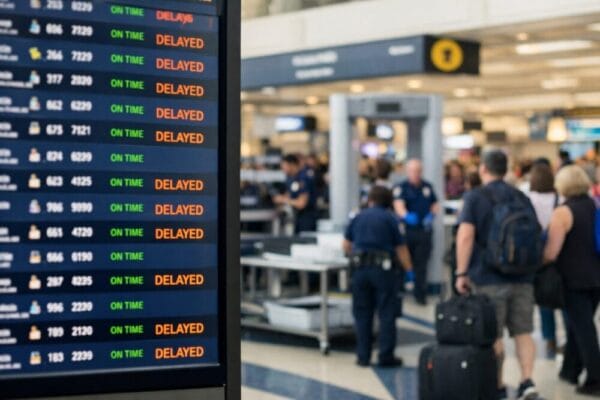
A growing wave of uncertainty is spreading across the United States aviation sector as the ongoing government shutdown begins to impact air travel operations. While major airports continue functioning, smaller regional airports are increasingly vulnerable, raising concerns about widespread disruptions for travellers across the country.
The situation highlights how deeply interconnected the aviation system is, with even low-traffic airports playing a critical role in maintaining national connectivity. As federal funding delays continue, the pressure on aviation infrastructure, staffing, and safety systems is intensifying.
Regional Airports Face the Greatest Risk
Smaller airports, often classified as non-hub or general aviation facilities, are particularly exposed during a federal shutdown. These airports typically handle a very small percentage of national passenger traffic but serve as essential gateways for rural communities and remote regions.
Unlike major international hubs, regional airports rely heavily on federal support for staffing, security, and operational oversight. With funding disruptions affecting these resources, their ability to remain fully operational is being challenged.
For many communities, these airports are not just travel hubs but critical lifelines that support healthcare access, emergency services, and local economies. Any interruption in their operations can have far-reaching consequences beyond tourism.
TSA Staffing Shortages Create Immediate Challenges
One of the most visible impacts of the shutdown is the strain on airport security operations. Transportation Security Administration staff are considered essential workers, meaning they are required to continue working even without immediate pay during a shutdown.
However, prolonged financial uncertainty can lead to increased absenteeism and staffing shortages. At large airports, these gaps may be manageable, but at smaller facilities with limited personnel, even minor staffing issues can force temporary closures of security checkpoints.
When this happens, flights may be delayed, cancelled, or redirected to larger airports, disrupting travel plans and creating additional logistical challenges for passengers.
Flight Delays and Cancellations Increase
As staffing shortages and operational constraints grow, travellers are likely to experience longer wait times, more frequent delays, and unexpected cancellations. Airlines must adapt quickly to changing conditions, often rerouting flights or consolidating schedules to maintain safety.
In some cases, passengers booked on flights from smaller airports may be redirected to major hubs located far from their original departure points. This can lead to additional travel time, increased costs, and significant inconvenience.
The ripple effect of these disruptions can spread across the entire aviation network, affecting not only regional routes but also connecting flights and international travel.
Pressure on Air Traffic Control and Safety Systems
Beyond airport operations, the shutdown is also affecting the broader air traffic management system. Air traffic controllers continue to work as essential personnel, but the support systems that enable their operations are under strain.
Training programs, maintenance activities, and administrative support functions may be reduced or paused, placing additional pressure on existing staff. While safety remains the top priority, reduced resources can lead to slower operations and increased delays.
This situation underscores the importance of sustained investment in aviation infrastructure and personnel to ensure long-term stability.
Impact on Tourism and Local Economies
Travel disruptions caused by the shutdown are expected to have a noticeable impact on tourism, particularly in regions that depend on regional airports. Smaller destinations that rely on air connectivity may see a decline in visitor numbers if flights are reduced or cancelled.
Local businesses, including hotels, restaurants, and tour operators, could experience decreased demand as travellers reconsider their plans or choose alternative destinations. This can have a cascading effect on employment and economic activity in affected areas.
Tourism plays a vital role in many regional economies, and maintaining reliable transportation links is essential for sustaining growth.
Travellers Urged to Plan Ahead
With uncertainty continuing, travellers are being advised to take proactive steps to minimise disruptions. Checking flight status regularly through airline apps and official updates is essential, as schedules may change quickly.
Arriving at the airport earlier than usual can help account for longer security lines and potential delays. Packing essential items in carry-on luggage is also recommended, as baggage handling operations may be affected by reduced staffing.
In the event of cancellations, passengers are generally entitled to refunds or rebooking options, depending on airline policies and regulations.
Human Impact on Aviation Workforce
The shutdown is also taking a toll on the aviation workforce, with many federal employees facing financial challenges due to delayed pay. This includes security personnel, air traffic controllers, and other essential workers who play a critical role in keeping the system running.
The longer the shutdown continues, the greater the risk of staff attrition, which could lead to longer-term challenges for the aviation industry. Retaining skilled workers is essential for maintaining safety and efficiency across the network.
A System Under Strain
The current situation highlights the vulnerability of the aviation system to external disruptions. While major airports may continue to operate, the strain on smaller facilities can create a chain reaction that affects the entire network.
Ensuring the stability of regional airports is crucial for maintaining national connectivity and supporting economic growth. Without adequate resources, these facilities may struggle to meet operational requirements.
Looking Ahead
The future of air travel in the United States will depend on how quickly the funding situation is resolved. Restoring normal operations will require not only financial support but also efforts to rebuild workforce confidence and operational capacity.
In the meantime, travellers should remain flexible and prepared for potential disruptions. The aviation industry has demonstrated resilience in the past, but the current challenges serve as a reminder of the importance of stable governance and investment in critical infrastructure.
As the situation evolves, the focus remains on maintaining safety, supporting workers, and ensuring that travellers can reach their destinations with minimal disruption.
For more travel news like this, keep reading Global Travel Wire