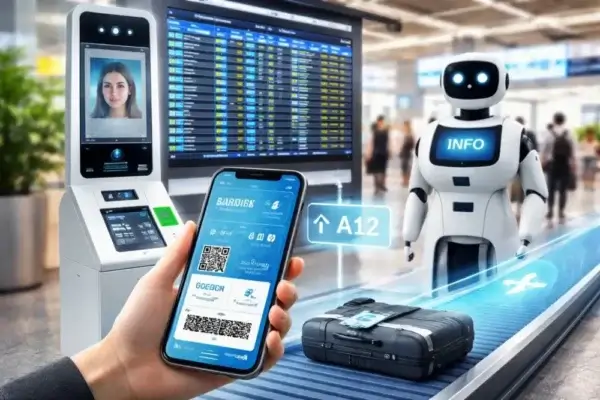
The US travel industry is undergoing a major transformation. Advanced digital technologies now shape every stage of the travel journey. Travelers expect faster, smarter, and more personalized services.
From booking flights to navigating airports, technology plays a central role. Airlines, hotels, and airports are investing heavily in digital systems. These innovations aim to improve efficiency and enhance customer satisfaction.
As a result, travel has become more seamless than ever before. Mobile apps, automation, and real-time data now define the modern travel experience.
Digital Booking and Mobile Solutions Lead the Shift
Travelers now prefer digital platforms for planning their trips. Most passengers book flights and hotels through websites or mobile apps. This shift reflects the growing demand for convenience and speed.
Mobile-first solutions allow travelers to manage bookings easily. They can check in, select seats, and receive updates directly on their devices. This approach reduces the need for physical interaction at airports.
Airlines and hotels continue to improve their mobile services. They aim to deliver a smooth and consistent experience across all platforms.
Smart Baggage Systems Reduce Travel Stress
Lost or delayed luggage has long frustrated travelers. However, new baggage tracking systems have improved this process significantly. Airlines now use real-time tracking to monitor luggage throughout the journey.
These systems help reduce mishandling and improve recovery times. Passengers can track their bags using mobile apps. This transparency builds trust and reduces anxiety.
Airports also benefit from improved efficiency. Faster baggage handling leads to smoother operations and fewer delays.
Dynamic Pricing Changes How Travelers Book
Airlines and hotels now use advanced pricing systems. These systems adjust prices based on demand and customer behavior. This approach allows businesses to maximize revenue while staying competitive.
Travelers may notice price changes when searching for tickets or rooms. Prices can increase during peak periods or decrease during low demand.
This system encourages travelers to book early. It also allows companies to respond quickly to market trends.
Personalized Experiences Enhance Customer Satisfaction
Technology now allows travel companies to offer personalized services. Data-driven systems analyze customer preferences and behavior. This information helps create tailored travel experiences.
Travel apps can recommend destinations, hotels, and activities. These suggestions match the traveler’s interests and past choices.
Hotels and airlines also offer flexible services. Travelers can choose only the amenities they need. This approach improves satisfaction and creates a more customized experience.
Artificial Intelligence Improves Travel Services
Artificial intelligence plays a key role in modern travel. AI systems help companies analyze data and improve decision-making. They also enhance customer interactions through automation.
AI-powered tools provide personalized recommendations and travel plans. These tools make trip planning faster and more efficient.
In addition, AI helps companies manage operations. It improves scheduling, pricing, and resource allocation across the industry.
Chatbots and Virtual Assistants Provide Instant Support
Travelers now expect quick and reliable customer service. Chatbots and virtual assistants meet this demand by offering instant support. These tools handle common questions and booking requests.
Passengers can access assistance at any time without waiting. This convenience improves the overall travel experience.
Younger travelers, especially Millennials and Gen Z, prefer chat-based communication. They value speed and ease when resolving issues.
Augmented Reality Enhances Airport Navigation
Airports have introduced augmented reality to improve navigation. Travelers can use mobile apps to find gates, shops, and services. AR tools provide clear directions within large terminals.
Some airports have implemented digital guidance systems. These systems help passengers move efficiently through complex spaces.
This technology reduces confusion and saves time. It also improves the overall airport experience for travelers.
Contactless Payments Simplify Travel Transactions
Digital wallets and contactless payments have become widely popular. Travelers can now pay for services using smartphones or wearable devices. This method offers speed and security.
Contactless payments reduce the need for cash or physical cards. They also support faster transactions at airports, hotels, and restaurants.
This trend reflects the growing demand for frictionless travel experiences. Travelers value convenience and efficiency during their journeys.
Biometrics Speed Up Airport Processes
Biometric technology has transformed airport operations. Facial recognition and fingerprint scanning allow faster identity verification. Travelers can move quickly through security and boarding gates.
These systems reduce waiting times and improve efficiency. They also enhance security by providing accurate identification.
Many travelers support biometric solutions when privacy concerns are addressed. Clear data policies help build trust in these systems.
Millennial Travelers Drive Digital Adoption
Millennials play a major role in shaping travel trends. They rely heavily on smartphones and digital tools. Mobile booking and app-based services have become essential.
This group also values personalized experiences and convenience. They prefer seamless travel solutions that save time and effort.
Their preferences continue to influence the development of new technologies. Travel companies must adapt to meet these expectations.
Future Travel Trends Focus on Innovation and Flexibility
The travel industry continues to evolve with new technologies. Companies are exploring innovative business models and services. Flexible pricing and subscription-based options are gaining attention.
Hotels and airlines now offer customizable packages. Travelers can choose services based on their needs. This approach creates new revenue opportunities for businesses.
As technology advances, travel will become more efficient and personalized.
Conclusion
Technology has transformed the US travel industry in 2026. Digital tools now shape every stage of the journey. From booking to boarding, travelers enjoy faster and more seamless experiences.
Innovations such as AI, biometrics, and contactless payments continue to improve efficiency. They also enhance customer satisfaction and convenience.
As demand for digital travel grows, the industry will keep evolving. The future of travel will focus on innovation, personalization, and seamless experiences.
For more travel news like this, keep reading Global Travel Wire