Rail travel across the United Kingdom is entering a new phase of passenger-friendly reform as updated compensation rules reshape how travelers claim refunds for delays and cancellations. The improved Delay Repay system, introduced as part of broader transport policy enhancements, is designed to create a more transparent, consistent, and efficient experience for both domestic commuters and international tourists exploring the country.
With millions relying on trains to navigate cities and regions, the modernization of compensation processes reflects growing demand for reliability, accountability, and customer satisfaction in public transportation. The changes are particularly significant for the tourism sector, where seamless travel plays a vital role in shaping visitor experiences.
A Simplified Approach to Compensation
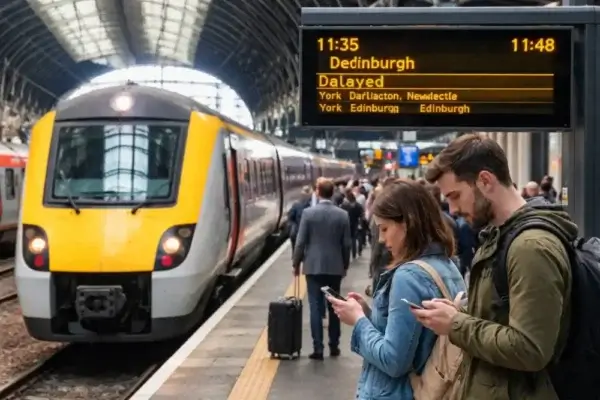
The revised Delay Repay framework standardizes compensation thresholds across many rail operators, making it easier for passengers to understand their entitlements. Travelers can now claim refunds for delays starting at just 15 minutes, a policy that aligns with efforts to make the system more responsive to real-world travel disruptions.
Under the updated structure, passengers are eligible for partial or full refunds depending on the length of the delay. Short delays of 15 to 29 minutes typically result in a partial refund, while longer disruptions of an hour or more may qualify for full reimbursement. In cases where delays extend beyond two hours, passengers can often claim the entire cost of their return journey.
This clarity removes much of the confusion that previously surrounded compensation claims, especially for visitors unfamiliar with the UK rail system.
Boost for Tourism Confidence
For tourists, the new system represents a major improvement in travel assurance. The UK’s extensive rail network is one of the most popular ways to explore destinations such as London, Edinburgh, Manchester, and coastal regions. However, delays and cancellations have historically been a source of frustration, particularly for travelers on tight itineraries.
By simplifying the claims process and ensuring quicker reimbursements, authorities aim to restore confidence in rail travel. Visitors can now plan journeys with greater peace of mind, knowing that disruptions will not result in financial loss.
Tourism experts believe this move will strengthen the UK’s reputation as a traveler-friendly destination. Reliable transport systems are a key factor in destination competitiveness, and improved compensation policies help reinforce trust among international visitors.
Digital Transformation and Faster Claims
One of the most notable upgrades is the shift toward digital and automated claims. Many rail operators now offer online platforms and mobile applications that allow passengers to submit claims within minutes. Some systems are even moving toward automatic compensation, where eligible refunds are processed without requiring passengers to apply manually.
This digital-first approach reduces administrative burden and speeds up the refund process. Payments are typically issued through original payment methods, bank transfers, or digital vouchers, often within a few days.
For tech-savvy travelers, especially younger tourists, this seamless process aligns with expectations for quick and efficient service. It also supports the broader transition toward contactless and paperless travel solutions across the UK transport network.
Impact on Business and Leisure Travel
The updated compensation system is expected to benefit both business and leisure travelers. For professionals who rely on punctual train services, the assurance of fair compensation adds a layer of reliability to their travel planning. It also encourages continued use of rail as a preferred mode of transport between major economic hubs.
Leisure travelers, on the other hand, gain flexibility and reduced stress. Delays that might otherwise disrupt sightseeing plans or hotel bookings are now less financially burdensome. This is particularly important in a tourism landscape where experiences and time management are critical.
Families and group travelers also stand to benefit, as compensation policies apply across ticket types, making it easier to manage unexpected disruptions during holidays.
What Happens During Cancellations?
The revised rules also address full cancellations, ensuring passengers are not left without options. In most cases, travelers can either request a full refund or choose to travel on the next available service without additional charges.
This flexibility is crucial during peak travel seasons, when cancellations can have a domino effect on schedules. By offering clear alternatives, rail operators aim to minimize inconvenience and maintain passenger satisfaction.
Encouraging Better Service Standards
Beyond passenger benefits, the updated Delay Repay system is also expected to drive improvements within the rail industry itself. Compensation schemes create financial incentives for operators to reduce delays and enhance operational efficiency.
As infrastructure upgrades, maintenance investments, and digital innovations continue across the network, the combination of better service and fair compensation is likely to elevate overall travel standards in the UK.
Government transport strategies have increasingly emphasized customer experience, sustainability, and integrated mobility. Rail remains a central pillar of these efforts, particularly as the country works toward reducing road congestion and lowering carbon emissions.
Tips for Travelers
To make the most of the updated system, travelers are encouraged to stay informed and proactive. Checking live train updates before departure, keeping digital copies of tickets, and allowing extra time for connections can help minimize disruption.
In the event of delays, passengers should submit claims promptly using official platforms. Keeping records of journey details ensures a smoother process and quicker resolution.
Looking Ahead
The overhaul of the UK’s rail compensation system marks a significant step toward a more passenger-centric transport network. By combining clear policies, digital innovation, and improved accountability, the new approach addresses long-standing concerns while supporting the evolving needs of modern travelers.
As rail travel continues to play a vital role in connecting destinations and supporting tourism growth, these reforms position the UK as a leader in delivering a more reliable and customer-focused travel experience.
For both tourists and daily commuters, the message is clear: while delays may still occur, the journey is now backed by a system designed to make things right.
For more travel news like this, keep reading Global Travel Wire