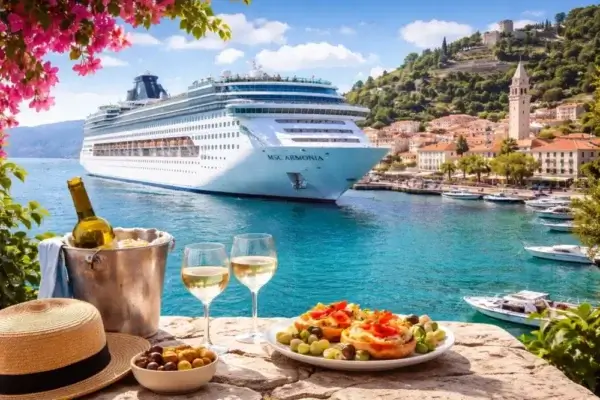
MSC Armonia has ended its vibrant cruise season across South America and started a major transatlantic journey to Europe. The ship completed a successful run along Brazil’s coastline before beginning this transition. This move marks an important step in the cruise line’s global deployment strategy.
Passengers enjoyed lively itineraries across Brazilian ports during the past season. Destinations like Rio de Janeiro and Maceió attracted strong demand from international travelers. Now, the ship moves toward a new chapter focused on European travel experiences.
This transition reflects shifting seasonal travel trends. Cruise lines adjust routes to match demand across different regions throughout the year.
Transatlantic Voyage Offers Unique Travel Experience
MSC Armonia has started a 22-night repositioning cruise across the Atlantic Ocean. This journey includes several culturally rich stops that enhance the overall experience. Travelers on board can explore destinations rarely included in standard itineraries.
The ship will visit Mindelo in Cape Verde, known for its vibrant music and colonial charm. It will also stop at Las Palmas in the Canary Islands, offering scenic coastlines and historic architecture. Another highlight includes Tangier in Morocco, where African and European cultures meet.
Each port provides a distinct atmosphere and cultural identity. Passengers can enjoy diverse experiences, from local cuisine to historical landmarks. This type of itinerary appeals to travelers seeking more than traditional cruise routes.
Mediterranean Season Brings Strong Tourism Demand
MSC Armonia will arrive in Europe in early April and begin its Mediterranean cruise season. The ship will operate seven-night itineraries across the Eastern Mediterranean. These routes include some of Europe’s most popular coastal destinations.
Passengers can visit Dubrovnik in Croatia, famous for its historic old town and city walls. The ship will also travel to Corfu in Greece, known for its beaches and green landscapes. Kotor in Montenegro offers dramatic mountain views and a rich maritime history.
Tourism demand in the Mediterranean continues to rise each year. Travelers seek destinations that combine culture, history, and natural beauty. MSC Armonia’s deployment supports this growing demand.
Eastern Mediterranean Cruises Deliver Cultural Experiences
The Eastern Mediterranean remains a top choice for travelers seeking immersive cultural journeys. MSC Armonia’s itineraries focus on destinations with strong historical significance. Cities like Split in Croatia showcase Roman architecture and coastal charm.
Dubrovnik stands out as a major highlight due to its preserved medieval structures. Visitors can walk through ancient streets and explore cultural landmarks. Corfu adds a different appeal with its relaxed island atmosphere and scenic coastline.
These destinations attract global visitors due to their unique blend of heritage and modern tourism. Cruise travel allows passengers to experience multiple locations within one journey. This convenience continues to drive demand.
Cruise Strategy Supports Global Tourism Growth
MSC Cruises uses repositioning strategies to align ships with seasonal travel demand. This approach helps maximize passenger experiences while supporting regional tourism economies. MSC Armonia’s journey reflects this broader strategy.
Ports like Mindelo and Las Palmas benefit from increased cruise traffic. Local businesses, tour operators, and hospitality sectors gain economic opportunities. Cruise tourism plays a key role in supporting these regional economies.
The company also focuses on responsible tourism practices. Environmental awareness and sustainable operations remain central to modern cruise strategies. These efforts help protect coastal destinations for future travelers.
Future Plans Include Expansion to South Africa
MSC Armonia will expand its global presence with a new deployment to South Africa in November 2026. The ship will begin operations from Durban and Cape Town. This move introduces new travel opportunities in the Southern Hemisphere.
Passengers can explore destinations such as Mozambique, Mauritius, and Namibia. These locations offer diverse experiences, including wildlife, beaches, and cultural heritage. The expansion supports Africa’s growing tourism sector.
South Africa continues to invest in attracting international visitors. Cruise tourism plays an important role in this effort. MSC Armonia’s arrival will strengthen regional travel offerings.
Brazil Remains Key Market for MSC Cruises
Despite MSC Armonia’s departure, Brazil remains an important market for MSC Cruises. Other ships continue to operate in the region, maintaining strong tourism activity. These include popular vessels that serve Brazilian ports during peak seasons.
Cruise tourism contributes significantly to Brazil’s economy. It supports local businesses, transportation services, and hospitality industries. Travelers also enjoy diverse experiences, from beaches to cultural festivals.
MSC Cruises continues to invest in the region to meet ongoing demand. Brazil’s coastline offers ideal conditions for cruise travel throughout the year.
MSC Armonia Shapes the Future of Cruise Travel
MSC Armonia’s journey from South America to Europe highlights the evolving nature of global cruise travel. The ship connects multiple regions while offering diverse experiences to passengers. This flexibility defines modern cruise operations.
The upcoming Mediterranean season will strengthen Europe’s tourism sector. At the same time, future plans in South Africa will open new markets. These developments show how cruise lines adapt to global travel trends.
Travelers continue to seek meaningful and diverse journeys. Cruise tourism meets this demand by combining destinations, comfort, and cultural exploration. MSC Armonia remains a strong example of this evolving industry.
Growing Demand Signals Strong Industry Recovery
The cruise industry continues to recover and expand after recent global challenges. Passenger demand shows steady growth across major regions. Mediterranean and African routes now attract increasing interest.
MSC Armonia plays a key role in this recovery by offering dynamic itineraries. The ship connects continents and introduces travelers to new destinations. This approach supports both tourism growth and passenger satisfaction.
As global travel evolves, cruise lines must remain flexible and innovative. MSC Armonia’s journey reflects this shift and sets the stage for future expansion.
For more travel news like this, keep reading Global Travel Wire