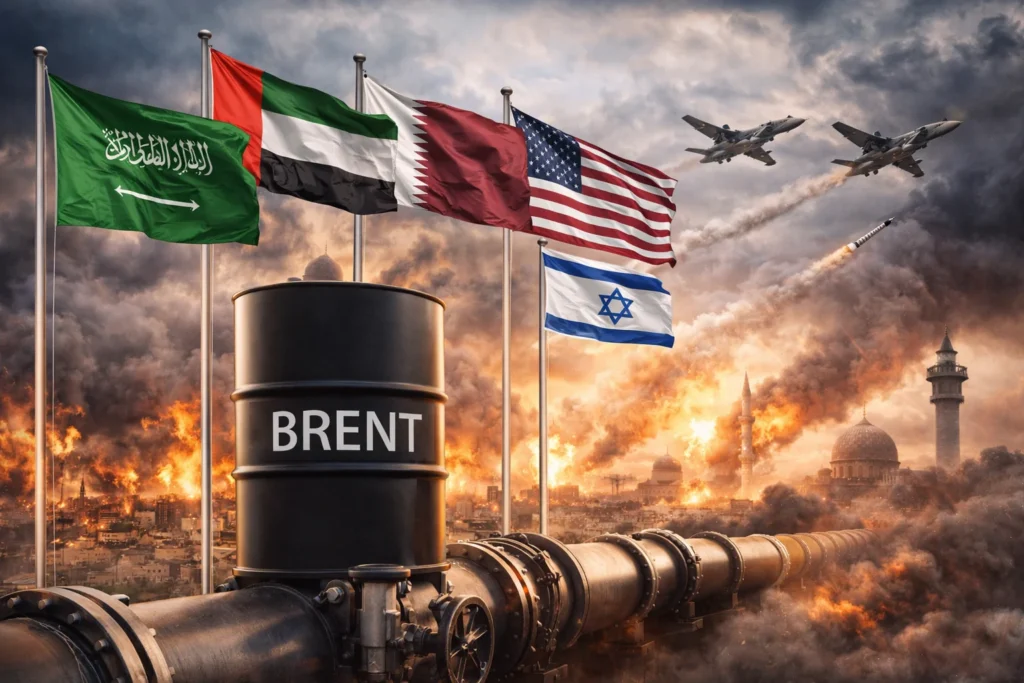
A significant geopolitical shift in the Middle East is reshaping global travel patterns, as Saudi Arabia, the United Arab Emirates, Bahrain, and Qatar align more closely with the United States and Israel amid rising tensions with Iran. This development is not only altering regional dynamics but also triggering widespread consequences for tourism, aviation, and global energy markets.
As the situation intensifies, travellers, airlines, and tourism-dependent economies are feeling the impact. Heightened security risks, changing airspace conditions, and growing uncertainty are disrupting travel plans and reducing international visitor confidence across key Gulf destinations.
Strategic Realignment Alters Regional Stability
The latest developments mark a departure from the traditionally cautious or neutral positions maintained by several Gulf nations. Saudi Arabia has taken a leading role in this shift, reportedly expanding cooperation with international allies and strengthening its defense posture to counter regional threats.
The United Arab Emirates has also increased its security measures, focusing on protecting critical infrastructure and maintaining stability within its borders. Bahrain continues to play a strategic role in regional security operations, while Qatar, long recognized for its diplomatic mediation efforts, has adjusted its stance following direct economic and infrastructure impacts linked to the ongoing tensions.
This evolving alliance structure reflects a broader regional transformation, where security concerns are now taking precedence over neutrality and diplomatic balancing.
Oil Market Volatility Adds to Global Uncertainty
The escalation has had an immediate effect on global energy markets, with oil prices experiencing sharp fluctuations. Brent crude prices have surged beyond previous benchmarks, driven by concerns over supply disruptions and risks to key shipping routes.
One of the most critical factors influencing this volatility is the Strait of Hormuz, a vital passage for global oil shipments. Any disruption to this route has far-reaching implications, not only for energy markets but also for the cost of travel and tourism services worldwide.
Gulf countries are attempting to mitigate these risks by diversifying export routes and strengthening maritime security. However, persistent instability continues to create uncertainty for global markets and industries dependent on stable energy supplies.
Aviation Sector Faces Mounting Challenges
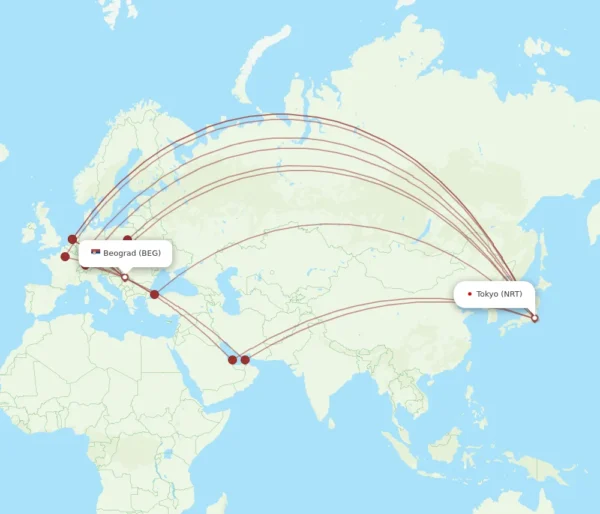
The aviation industry is among the hardest hit sectors, as airlines adjust operations in response to heightened security concerns. Airspace restrictions, potential conflict zones, and increased safety risks have forced carriers to cancel flights, reroute services, or reduce frequencies across the Middle East.
Travellers heading to major hubs such as Dubai, Doha, and Riyadh are encountering delays, longer travel times, and limited flight availability. Insurance providers are also reassessing coverage for travel to certain parts of the region, adding another layer of complexity for both passengers and airlines.
Airlines are prioritizing safety, but the operational challenges are significant. Rerouted flights often require additional fuel, longer durations, and coordination with alternative airports, all of which contribute to higher costs and logistical complications.
Tourism Sector Sees Decline in International Visitors
Tourism, a key economic pillar for several Gulf nations, is facing a noticeable slowdown. Cities like Dubai, Doha, and Riyadh, which have positioned themselves as global tourism and business hubs, are experiencing reduced international arrivals as travellers reconsider plans amid security concerns.
Hotel occupancy rates are beginning to decline, and tour operators are reporting cancellations and reduced bookings. The uncertainty surrounding travel safety is influencing decision-making, particularly among long-haul travellers and high-value tourists.
Business travel is also being affected, with companies postponing trips, shifting to virtual meetings, or exploring alternative locations for regional operations. This shift is impacting not only airlines but also hotels, conference centers, and related service industries.
Government Measures Aim to Restore Confidence
In response to the challenges, governments across the Gulf are implementing measures to maintain stability and reassure travellers. Enhanced security protocols at airports, increased surveillance, and coordination with international aviation authorities are being prioritized.
Tourism boards are also exploring strategies to sustain demand, including promoting domestic travel, offering incentives, and highlighting safety measures to rebuild traveller confidence. However, the effectiveness of these initiatives will largely depend on how the broader geopolitical situation evolves.
At the same time, travel advisories issued by various countries are influencing tourism flows. Many governments are urging caution, advising travellers to stay informed and consider postponing non-essential trips to affected areas.
Economic Ripple Effects Across the Region
The combined impact of rising oil prices, travel disruptions, and declining tourism is creating broader economic challenges for the region. While higher oil prices may provide short-term revenue gains for energy-exporting nations, the uncertainty surrounding supply routes and global demand introduces additional risks.
Tourism-dependent economies, particularly in the UAE, Qatar, and Bahrain, are balancing these challenges by diversifying their economic strategies and focusing on long-term resilience. Investments in infrastructure, digital transformation, and alternative tourism markets are being explored to mitigate the effects of ongoing instability.
What Travellers Should Expect
For travellers planning trips to the Middle East, flexibility and awareness are essential. Flight schedules may change at short notice, and routes may involve additional stopovers or extended travel times.
Airlines are offering rebooking options and refunds in many cases, but availability can be limited due to reduced capacity. Travellers are advised to monitor updates closely, review travel insurance policies, and stay informed about local conditions before departure.
Outlook for Global Travel and Tourism
The current situation underscores how geopolitical developments can rapidly reshape global travel and tourism. As Gulf nations recalibrate their positions and regional tensions persist, the effects are being felt far beyond the Middle East.
The coming months will be critical in determining whether stability can be restored or if disruptions will continue to impact travel, aviation, and tourism into 2026. Until then, the global travel industry remains in a state of adjustment, navigating one of its most challenging periods in recent years.
For more travel news like this, keep reading Global Travel Wire