Travel disruptions have intensified at Washington’s Reagan National Airport as Republic Airways grapples with operational challenges, leading to multiple flight suspensions and widespread delays. The situation has created significant inconvenience for passengers, particularly those traveling across key U.S. cities, and highlights ongoing pressures within the aviation sector during high-demand travel periods.
Republic Airways, a major regional carrier operating on behalf of several larger airlines, has suspended 11 flights and reported more than 100 delays within a short timeframe. These disruptions have had a ripple effect across a vast network of destinations, impacting not only Washington, D.C., but also major cities such as New York, Atlanta, Columbus, and Albany. As a result, passengers are facing extended wait times, last-minute schedule changes, and growing uncertainty.
Widespread Impact Across Key Travel Routes
The disruption is not confined to a single airport but extends across an interconnected network of domestic and regional routes. Airports in cities including Boston, Chicago, Dallas, Miami, Orlando, and Philadelphia are experiencing knock-on effects due to delayed incoming aircraft and crew scheduling issues. Even international connections to destinations such as Toronto, Montreal, and Nassau have been indirectly affected.
Reagan National Airport, known for its high traffic volume and proximity to downtown Washington, is particularly vulnerable to operational disruptions. With limited runway capacity and strict air traffic regulations, even minor delays can quickly escalate into larger scheduling problems. The recent surge in delays has placed additional strain on airport operations, leading to congestion at terminals and longer queues at service counters.
While cancellations remain relatively limited compared to delays, their concentration at key regional hubs has amplified the impact. In addition to Washington, airports in New York and Columbus have reported notable cancellation rates, particularly on short-haul routes. These routes are essential for business travellers and connecting passengers, making disruptions more disruptive than the numbers alone might suggest.
Causes Behind the Disruptions
Industry analysts point to a combination of factors contributing to the current situation. Staffing shortages, aircraft rotation challenges, and air traffic control constraints are among the primary causes. Regional airlines like Republic Airways often operate tight schedules with quick turnaround times, leaving little room for error when disruptions occur.
Weather conditions in certain parts of the United States have also played a role, further complicating operations. When combined with peak travel demand, these factors create a challenging environment for airlines trying to maintain on-time performance.
Another contributing factor is the complexity of regional airline operations. Republic Airways provides feeder services for major carriers, meaning delays in its network can cascade into broader disruptions across the national aviation system. This interconnected structure makes recovery more difficult once delays begin to accumulate.
Passenger Experience and Airport Pressure
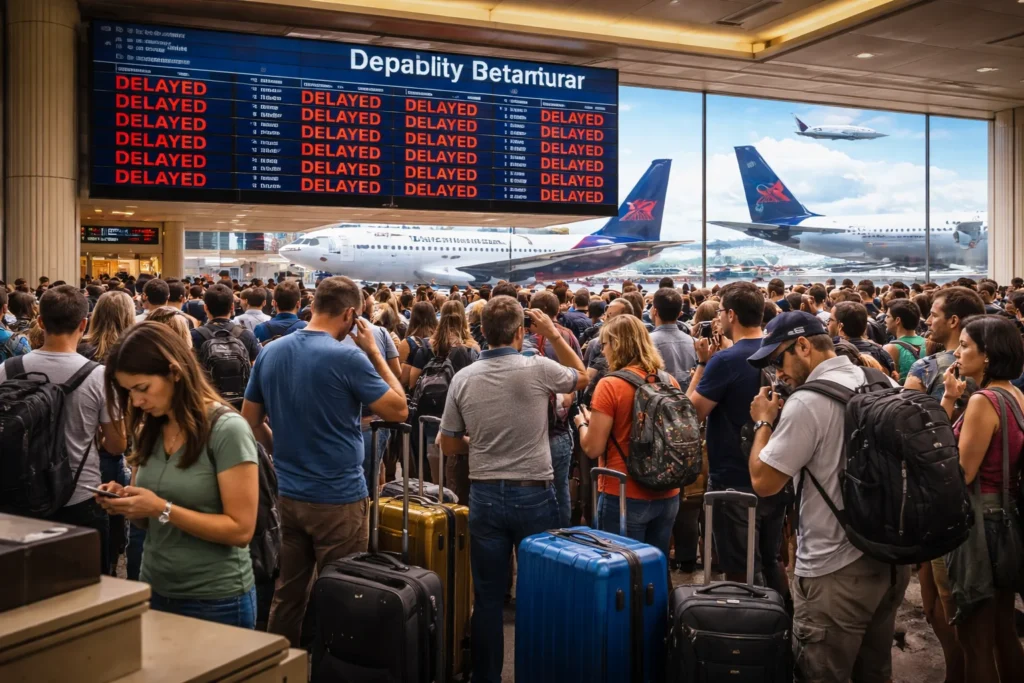
For travellers, the disruptions have translated into longer wait times, crowded terminals, and increased stress. Many passengers have been forced to rebook flights, often competing for limited available seats on alternative routes. Airport staff are working under pressure to assist affected travellers, but high passenger volumes have made it difficult to manage the situation efficiently.
Digital tools such as airline apps and real-time notifications have become essential for passengers navigating these disruptions. However, not all travellers are able to quickly adapt, particularly those with tight connections or limited flexibility in their travel plans.
Business travellers, in particular, are feeling the impact, as delays disrupt meetings, conferences, and professional commitments. Meanwhile, leisure travellers are facing changes to vacation plans, adding to the overall frustration.
How Travellers Can Navigate Disruptions
In the face of ongoing delays and cancellations, travellers are advised to take proactive steps to minimize inconvenience. Monitoring flight status regularly is crucial, as schedules can change rapidly. Airlines typically provide updates through mobile apps, emails, and text alerts, allowing passengers to stay informed.
Contacting the airline as soon as a disruption is announced can improve the chances of securing an alternative flight. While airport service desks may be crowded, online customer service options often provide quicker assistance.
Understanding passenger rights is also important. Depending on the circumstances, travellers may be eligible for rebooking, meal vouchers, or other forms of assistance. Flexibility is key, as considering alternative airports or travel times can increase the likelihood of reaching the destination sooner.
A Delay-Driven Crisis Rather Than Mass Cancellations
Despite the scale of the disruption, the situation is largely characterized by delays rather than widespread cancellations. Most major airports across the United States are continuing to operate scheduled flights, indicating that airlines are prioritizing maintaining service continuity.
This approach helps prevent a complete breakdown of the network but can lead to prolonged delays as airlines attempt to recover schedules. While this strategy keeps more flights in operation, it also requires careful coordination and efficient resource management.
Looking Ahead
The disruptions at Reagan National Airport underscore the challenges facing the aviation industry, particularly during periods of high demand. As airlines work to stabilize operations, improvements in coordination, staffing, and communication will be critical.
For passengers, the situation serves as a reminder of the importance of planning ahead and staying informed. While the current disruptions are significant, they also highlight the resilience of the aviation system, which continues to operate under pressure.
As travel demand continues to grow, addressing these operational vulnerabilities will be essential to ensuring smoother journeys in the future.