England’s heritage tourism sector is experiencing renewed momentum in 2026, with immersive historical events drawing travelers eager for authentic cultural experiences. At the center of this revival is the Battle of Evesham Festival in Worcestershire, a standout attraction that brings medieval history to life and positions the region as a key destination for cultural tourism.
The festival has gained national attention this year, not only for its scale and visitor appeal but also for the recognition of individuals who have helped elevate its profile. Among them is Mick Hurst, who has been honored as a Tourism Superstar for his contribution to promoting historical travel experiences. His efforts have played a significant role in turning Evesham into a vibrant hub for heritage tourism.
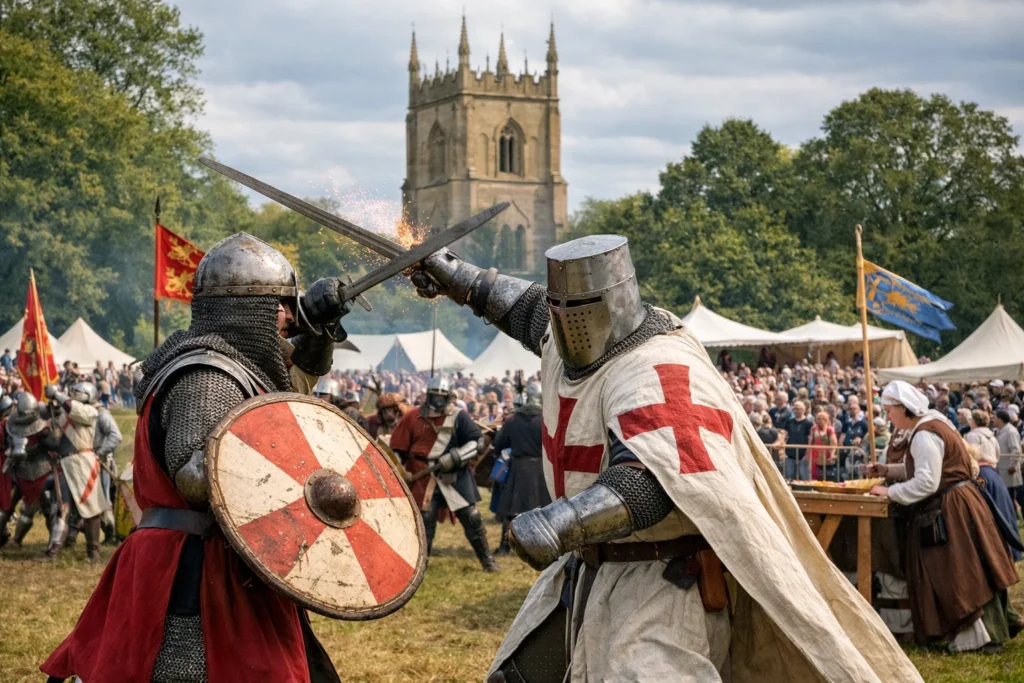
The Battle of Evesham Festival recreates one of the most pivotal conflicts in English medieval history, offering visitors a chance to witness dramatic reenactments and engage with the past in a dynamic way. Unlike traditional museum visits, the festival transforms open spaces into living history scenes, complete with costumed performers, authentic props and interactive storytelling.
Visitors attending the festival can experience detailed battle reenactments that capture the intensity and atmosphere of the original event. These performances are supported by educational displays, historical talks and hands-on activities, making the festival both entertaining and informative. Families, history enthusiasts and international tourists alike are drawn to the immersive nature of the experience.
Worcestershire has increasingly emerged as a destination that blends natural beauty with rich historical significance. The county’s rolling countryside, historic towns and strong community spirit provide an ideal backdrop for events like the Battle of Evesham. As tourism trends shift toward meaningful and experience-driven travel, locations that offer both authenticity and engagement are gaining popularity.
The economic impact of such events is substantial. The influx of visitors during the festival period benefits local businesses, including hotels, restaurants, shops and transport services. Many travelers extend their stays to explore nearby attractions, contributing to sustained tourism activity beyond the event itself. This ripple effect supports local employment and encourages further investment in tourism infrastructure.
Festivals have become an important driver of regional tourism growth across England. By combining education with entertainment, they create memorable experiences that resonate with visitors long after their trip ends. The success of the Battle of Evesham Festival demonstrates how local heritage can be transformed into a major tourism asset when supported by strong organization and community involvement.
Community participation is a key element of the festival’s success. Volunteers, performers and local organizations work together to create an authentic and welcoming environment. This collaborative approach not only enhances the visitor experience but also fosters a sense of pride among residents. Travelers often value these genuine interactions, which provide deeper insight into the local culture.
Beyond the festival, Worcestershire offers a wide range of attractions that complement the heritage experience. Visitors can explore historic buildings, traditional markets and scenic walking routes that showcase the region’s character. The combination of structured events and independent exploration allows travelers to create a well-rounded itinerary.
The rise of heritage tourism reflects broader changes in traveler preferences. Modern tourists are increasingly seeking experiences that are meaningful, educational and immersive. Rather than simply visiting landmarks, they want to understand the stories behind them and engage with history in a tangible way. Events like the Battle of Evesham cater directly to this demand.
England’s rich historical landscape provides a strong foundation for this type of tourism. From medieval battles to royal heritage and industrial history, the country offers diverse opportunities for exploration. By investing in events and experiences that bring these stories to life, destinations can attract a wider audience and remain competitive in the global tourism market.
Recognition of individuals such as Mick Hurst highlights the importance of passionate contributors in shaping tourism experiences. Their dedication helps ensure that historical events are presented in a way that is both accurate and engaging. This human element is often what transforms a good event into a memorable one.
Looking ahead, the continued growth of heritage tourism in England is expected to drive further innovation. Expanding events, incorporating digital elements and enhancing visitor services are all strategies that can help maintain interest and attract new audiences. At the same time, preserving authenticity remains essential to ensuring that these experiences retain their cultural value.
For travelers planning a visit to Evesham, early preparation is recommended, particularly during peak festival periods. Securing accommodation in advance and exploring additional attractions in the region can enhance the overall experience. Combining festival attendance with visits to local sites, dining experiences and countryside exploration provides a deeper connection to the destination.
In conclusion, the Battle of Evesham Festival represents a powerful example of how heritage tourism can transform a region. By bringing history to life in an engaging and accessible way, it has positioned Worcestershire as a must-visit destination for cultural travelers. As interest in immersive travel continues to grow, events like this will play an increasingly important role in shaping the future of tourism in England.