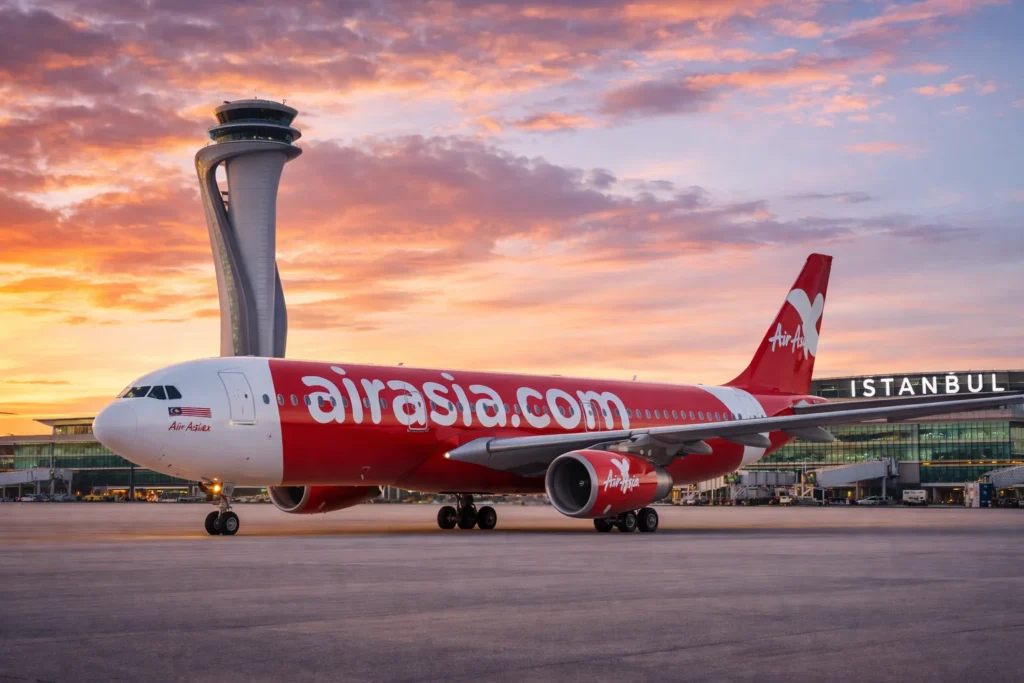
In a strategic move reshaping long-haul travel across continents, AirAsia X has announced plans to position Istanbul as its new intercontinental hub for Europe. This shift comes as part of a broader response to evolving geopolitical conditions and changing travel demand patterns, aligning with international aviation frameworks and tourism development strategies.
The airline, operating from Kuala Lumpur International Airport, is adapting its network to maintain strong connectivity between Asia and Europe. According to official statements from airline leadership and supported by regional aviation authorities, the decision to focus on Türkiye reflects both operational flexibility and growing tourism demand across emerging transit corridors.
Türkiye has been actively promoting itself as a global aviation hub through coordinated efforts by its civil aviation authority and national tourism board. Its strategic geographic position bridging Europe and Asia makes Istanbul an ideal transit point for long-haul travelers. Government tourism initiatives have consistently highlighted the country’s role in facilitating international connectivity, contributing to increased visitor arrivals and transit passenger volumes.
AirAsia X’s revised strategy follows disruptions to its earlier plan to establish a hub in the Gulf region. Aviation authorities in that region have maintained restrictions due to ongoing security concerns, prompting airlines to explore alternative routes. In response, AirAsia X is now trialing operations through Istanbul, leveraging its established infrastructure and connectivity.
The airline is also exploring partnerships with a major Turkish carrier to expand its reach across Europe. Such collaborations are encouraged by international aviation agreements and tourism policies aimed at enhancing route networks and improving passenger access to multiple destinations.
Previously, AirAsia X had planned to operate services connecting Kuala Lumpur to Gatwick Airport via the Gulf. However, with the shift toward Türkiye, the airline is reconfiguring its network to meet current market conditions. This adjustment aligns with global aviation trends, where airlines continuously adapt routes based on demand, operational feasibility, and regulatory guidance.
Tourism authorities across Asia and Europe have emphasized the importance of diversified connectivity in sustaining travel growth. By introducing Istanbul as a key hub, AirAsia X is contributing to broader efforts to enhance accessibility between regions. This is particularly relevant as tourism ministries promote multi-destination travel experiences, encouraging visitors to explore multiple countries within a single journey.
The airline has reported increasing demand for travel routes connecting Asia to Europe through alternative transit points such as Türkiye, Central Asia, and surrounding regions. Official tourism statistics from these regions indicate rising interest from international travelers seeking new routes and experiences beyond traditional hubs.
In addition to network expansion, AirAsia X is focused on maintaining its low-cost model, which plays a crucial role in making long-haul travel more accessible. Government tourism strategies often highlight affordable air travel as a key factor in boosting international visitor numbers, especially among budget-conscious travelers.
To support its expansion plans, the airline is working to restore its operational capacity by returning aircraft from storage. Aviation regulators encourage such measures to ensure reliability and efficiency in service delivery, particularly as travel demand continues to recover globally.
The introduction of Istanbul as a hub is expected to create new opportunities for tourism development. For Europe, it opens additional access points for travelers from Southeast Asia, while for Asia, it provides more direct connections to European destinations. Tourism boards in both regions have consistently advocated for increased air connectivity as a driver of economic growth and cultural exchange.
Furthermore, the move highlights the growing importance of flexible network planning in the aviation industry. Airlines are increasingly adopting dynamic strategies to navigate external challenges while maintaining service continuity. This approach is supported by international aviation organizations that emphasize resilience and adaptability as key components of sustainable growth.
For travelers, the shift offers expanded route options and potentially more competitive fares. The ability to connect through Istanbul provides access to a wide range of European destinations, supported by the city’s extensive airport infrastructure and connectivity.
As global tourism continues to evolve, developments like the AirAsia X Istanbul hub underscore the critical role of aviation in linking destinations and supporting economic activity. The collaboration between airlines, governments, and tourism authorities remains essential in ensuring that connectivity keeps pace with demand.
Looking ahead, AirAsia X’s strategy reflects confidence in the long-term growth of Asia-Europe travel. By leveraging Türkiye’s strategic location and strengthening partnerships, the airline is positioning itself to play a key role in the next phase of global tourism expansion.
This shift not only enhances travel options but also reinforces the importance of innovation and adaptability in shaping the future of international air travel.