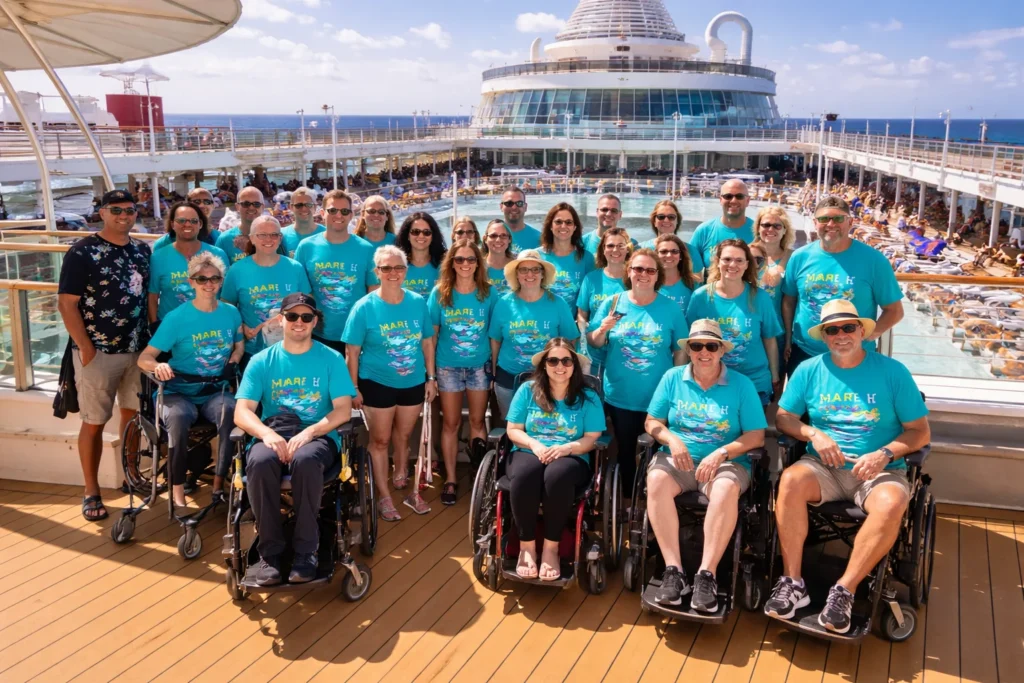
The global tourism industry is embracing inclusivity as innovative travel experiences continue to emerge for diverse communities. One such initiative, “Rare at Sea,” is highlighting the growing importance of accessible cruise tourism by creating supportive and inclusive travel opportunities for people living with rare health conditions.
Hosted aboard a vessel operated by Royal Caribbean, the inaugural voyage brought together travelers from across the United States and beyond, offering not only a vacation but also a sense of community. Tourism authorities and accessibility-focused organizations have increasingly emphasized the need for travel experiences that cater to people with varying physical and medical needs, making such initiatives particularly significant.
The cruise departed from Port Canaveral, one of the busiest cruise hubs in the United States, recognized by transportation authorities for its role in supporting large-scale passenger operations. From there, travelers journeyed to The Bahamas, a region well-known for its cruise tourism infrastructure and accessibility initiatives supported by local tourism boards.
The concept behind the journey reflects a broader shift in tourism development policies. Government tourism agencies worldwide are increasingly prioritizing accessible and inclusive travel as part of their long-term strategies. These policies aim to ensure that travel experiences are available to all individuals, regardless of physical ability or medical condition.
Participants on the cruise included individuals living with a range of rare diseases, along with their families and caregivers. For many, the experience offered a rare opportunity to travel in an environment designed to accommodate their needs while fostering meaningful connections with others facing similar challenges.
Cruise tourism has been identified by industry experts and tourism ministries as one of the most accessible forms of travel. Modern cruise ships are equipped with features such as wheelchair-accessible cabins, medical facilities, and specialized services, making them well-suited for travelers requiring additional support. These features align with international accessibility standards promoted by tourism organizations and regulatory bodies.
The success of the “Rare at Sea” initiative underscores the importance of designing travel experiences that prioritize both accessibility and community engagement. Participants were able to enjoy a range of onboard activities, including entertainment, dining, and leisure experiences, all within a supportive and inclusive environment.
Tourism authorities have noted that such initiatives contribute to the broader goal of inclusive tourism, which focuses on removing barriers and creating equal opportunities for all travelers. Accessible tourism is not only a social responsibility but also an economic opportunity, as it opens the travel market to a wider audience.
The journey also highlighted the role of cruise destinations in supporting accessibility. In The Bahamas, for example, efforts have been made to improve infrastructure, including accessible transportation and beach facilities. These developments are part of national tourism strategies aimed at enhancing the visitor experience for all travelers.
Another key aspect of the initiative was the emphasis on reducing travel-related stress. Traditional travel often involves complex logistics, which can be challenging for individuals with medical conditions. Cruise travel, by contrast, offers a more controlled environment where accommodations, dining, and activities are centralized, simplifying the overall experience.
Tourism boards have increasingly recognized the value of such streamlined travel experiences. By reducing barriers and providing comprehensive services, cruise tourism can attract a diverse range of visitors, including those who may have previously faced challenges in accessing travel opportunities.
The social impact of the cruise was equally significant. Participants were able to connect, share experiences, and build supportive networks, demonstrating the role of tourism in fostering community and well-being. Tourism policies often highlight the importance of cultural and social exchange, and initiatives like this illustrate how travel can bring people together in meaningful ways.
Looking ahead, the success of this inaugural voyage is expected to inspire similar initiatives within the tourism industry. Cruise operators, tourism boards, and policymakers are increasingly exploring ways to expand accessible travel offerings, ensuring that inclusivity remains a central focus of tourism development.
The growing demand for accessible travel experiences is supported by global tourism trends. According to official tourism data, there is increasing interest in travel options that cater to diverse needs, including those related to mobility, health, and comfort. This trend is expected to continue as the tourism industry evolves to meet changing traveler expectations.
For destinations and operators, investing in accessibility can lead to long-term benefits, including increased visitor numbers and enhanced reputation. Tourism authorities emphasize that inclusive travel is a key component of sustainable tourism, contributing to economic growth while promoting social equity.
The “Rare at Sea” cruise serves as a powerful example of how tourism can be both inclusive and transformative. By combining accessibility with community engagement, the initiative has set a new standard for travel experiences that prioritize the needs of all travelers.
As the tourism industry continues to innovate, accessible cruise tourism is likely to play an increasingly important role in shaping the future of travel. With continued collaboration between operators, governments, and communities, the vision of truly inclusive tourism is becoming a reality.