Global tourism trends are revealing a growing gap between rising travel risks and the adoption of flexible insurance solutions, particularly among cruise travelers. As international travel continues to recover and expand, tourism authorities and industry experts are emphasizing the importance of comprehensive travel protection, especially in an era marked by geopolitical uncertainty, climate disruptions, and evolving travel conditions.
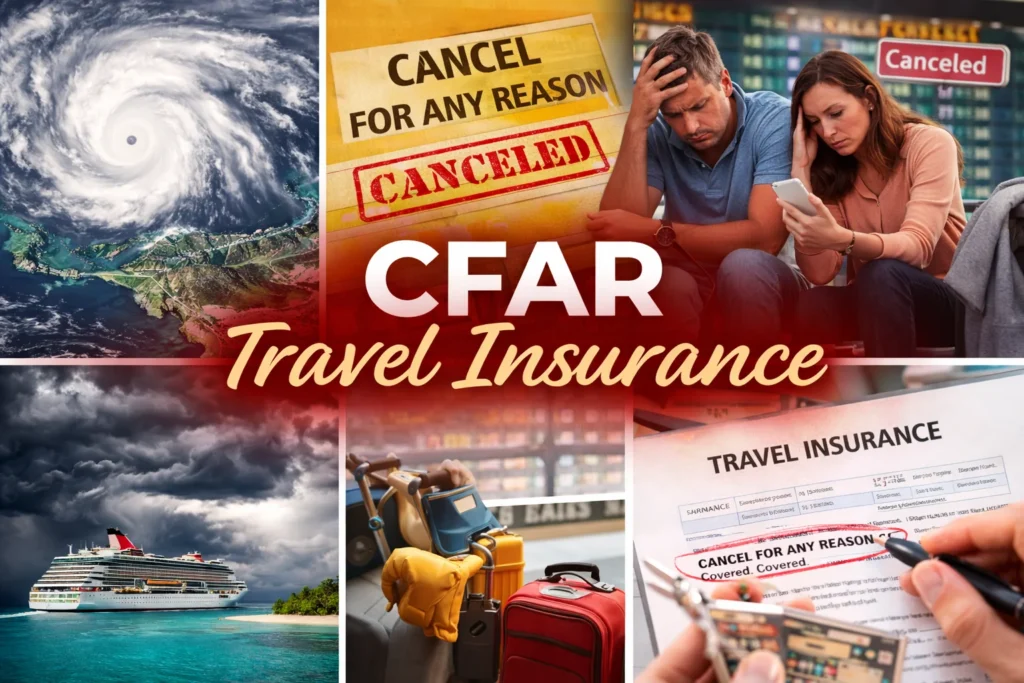
Recent tourism and insurance market data indicate that interest in Cancel-For-Any-Reason coverage, commonly known as CFAR, is increasing worldwide. This type of insurance allows travelers to cancel their trips for reasons not typically covered under standard policies, offering greater flexibility and financial security. Despite this growing interest, adoption rates remain uneven across regions, with cruise travelers to the Caribbean lagging behind other global markets.
According to industry insights aligned with broader tourism trends, CFAR demand has increased significantly in 2026, reflecting heightened awareness of travel risks. Government tourism bodies have also highlighted the importance of travel preparedness, encouraging travelers to consider comprehensive insurance options when planning international trips. However, the uptake of CFAR coverage among certain traveler segments remains relatively low.
One of the key findings is that travelers heading to Caribbean cruise destinations are less likely to purchase flexible insurance compared to those visiting destinations such as the United States or Mexico. This trend suggests a gap in risk perception, as many travelers may underestimate the potential disruptions that can impact their journeys.
Tourism authorities have identified several factors contributing to this behavior. Standard travel insurance policies are often perceived as sufficient, even though they may not cover unexpected events such as airspace closures, severe weather conditions, or geopolitical developments. As a result, travelers who rely solely on basic coverage may face financial losses if their plans are disrupted.
Another notable trend is the shortening of booking windows. Official tourism data indicates that many travelers are now booking trips closer to their departure dates, reducing the time available to consider additional insurance options. This shift reflects a broader change in travel behavior, where flexibility and spontaneity are becoming more common.
In contrast, travelers who opt for CFAR coverage tend to plan their trips further in advance. By securing insurance earlier, they can take advantage of more comprehensive protection and better manage potential risks. Tourism experts have noted that early planning is often associated with higher-value trips, where travelers are more inclined to invest in additional सुरक्षा measures.
The economic aspect of travel insurance is also influencing decision-making. Data shows that the average cost of trips covered by CFAR policies is increasing, indicating that travelers with higher-value itineraries are more likely to prioritize flexibility. Meanwhile, the value of trips covered by standard policies has declined, suggesting a divergence in travel spending patterns.
Government tourism agencies have emphasized the importance of resilience in the travel sector. As global travel continues to face uncertainties, including weather-related disruptions and geopolitical events, the need for adaptable travel solutions is becoming more apparent. Flexible insurance options such as CFAR are increasingly seen as essential tools in managing these challenges.
The cruise tourism sector, in particular, is affected by these trends. Cruises involve complex itineraries, multiple destinations, and extended durations, making them more susceptible to disruptions. Tourism authorities have highlighted that comprehensive insurance coverage is especially important for cruise travelers, given the unique nature of these travel experiences.
Despite the benefits of CFAR coverage, awareness remains a key issue. Many travelers are not fully informed about the differences between standard insurance policies and more flexible options. Tourism boards and industry stakeholders are working to address this gap through educational campaigns and improved communication.
Technology is playing a role in enhancing access to travel insurance. Digital platforms and online booking systems are making it easier for travelers to comparison insurance options and select policies that meet their needs. Government initiatives supporting digital transformation in tourism are further facilitating this process.
The growing interest in flexible insurance also reflects broader changes in traveler expectations. Modern travelers are seeking greater control over their travel plans, including the ability to adapt to changing circumstances. This shift is influencing not only insurance products but also airline policies, accommodation options, and tour packages.
Looking ahead, tourism authorities expect the demand for CFAR coverage to continue rising as travelers become more aware of potential risks. The challenge will be to ensure that this demand translates into higher adoption rates across all regions and travel segments.
For the tourism industry, the focus will be on enhance transparency, improving customer education, and integrating flexible solutions into the overall travel experience. By addressing these areas, the industry can enhance traveler confidence and support sustainable growth.
Ultimately, the evolving landscape of travel insurance highlights the importance of preparedness in modern tourism. As global travel becomes more dynamic and unpredictable, flexible coverage options such as CFAR are set to play an increasingly important role in shaping how travelers plan and protect their journeys.