India’s tourism landscape is witnessing a dynamic mix of travel alerts, destination trends, and policy updates as authorities and tourism boards release key advisories for April 2026. From weather warnings in northern regions to new digital travel requirements and evolving family travel preferences, the latest developments highlight how travel planning is becoming more informed and experience-driven.
According to the India Meteorological Department, a western disturbance is currently affecting Jammu and Kashmir, bringing rainfall in plains and fresh snowfall in higher altitudes. Officials have cautioned travelers about possible disruptions across major tourist routes until April 10. Slippery roads, reduced visibility, and transport delays are expected in popular hill destinations, prompting tourism authorities to advise careful planning and flexible itineraries.
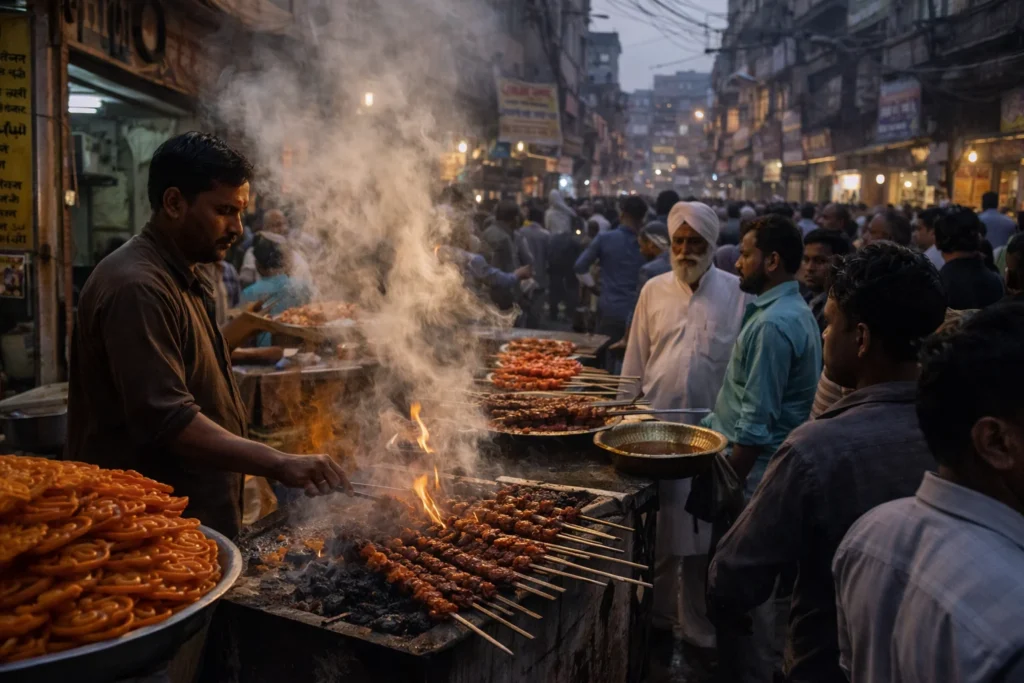
Despite these regional challenges, domestic tourism continues to thrive, particularly in urban centers known for cultural and culinary experiences. In Delhi, local tourism initiatives continue to highlight the capital’s historic food culture as a major attraction. Areas such as Chandni Chowk remain central to heritage tourism, offering visitors a blend of traditional flavors and historical narratives. Tourism officials emphasize that culinary tourism plays a vital role in attracting both domestic and international visitors to the city.
At the same time, outbound travel trends from India are showing strong momentum. Tourism boards and aviation data indicate that Southeast Asia remains a preferred region for family travel. Destinations such as Singapore, Bali, and Thailand are experiencing steady demand due to their accessibility, affordability, and family-friendly attractions. Official tourism promotions from these countries highlight a mix of cultural experiences, beach tourism, and entertainment options tailored to travelers of all ages.
In Europe, major developments in theme-based tourism are also drawing attention. Disneyland Paris has announced a large-scale expansion project, including the launch of a new themed attraction inspired by global entertainment franchises. Tourism authorities in France have positioned this expansion as a significant boost to visitor numbers, reinforcing the destination’s appeal to international families and leisure travelers.
Meanwhile, travel advisories remain in place for certain regions due to geopolitical considerations. Authorities have confirmed that Turkey continues to welcome tourists, with major destinations operating normally. However, official guidance recommends caution near border regions and encourages travelers to stay updated on local conditions. Such advisories are part of broader efforts to ensure traveler safety while maintaining tourism flows.
Back in India, aviation and travel services are evolving to enhance passenger experience. Air India has introduced updates to its frequent flyer program, making reward travel more accessible through revised points requirements and simplified rules. These changes align with government-supported initiatives to improve service quality and encourage air travel growth.
In addition, American Express has expanded its premium travel offerings with the opening of a new airport lounge in Delhi. Aviation authorities note that such developments contribute to improving passenger comfort and supporting the overall travel ecosystem.
One of the most significant policy updates comes from the Government of India, which has implemented a mandatory digital e-Arrival card system for international travelers and OCI cardholders. Effective from April 1, this system replaces traditional paper forms and requires travelers to submit their details online before arrival. Officials state that the initiative is designed to streamline immigration processes, reduce paperwork, and enhance efficiency at airports.
Beyond infrastructure and policy, evolving lifestyle trends are also influencing tourism. The rise of wellness-focused travel, including pre-wedding fitness programs and dietary trends, reflects changing traveler priorities. Health authorities have noted increased interest in structured wellness routines, although they emphasize the importance of safe and medically guided practices.
The concept of “functional eating” is gaining popularity among travelers seeking healthier lifestyles during their journeys. Nutrition experts supported by public health initiatives highlight that this approach focuses on balanced diets and sustainable eating habits rather than restrictive or trend-driven practices. This shift aligns with global tourism trends that emphasize well-being and holistic travel experiences.
Cultural experiences remain an integral part of tourism, with live entertainment continuing to attract audiences. Performances by international artists such as Russell Peters highlight the enduring appeal of in-person events. Tourism boards note that such events contribute to destination appeal by offering unique cultural engagement opportunities.
Overall, the current travel landscape in India reflects a blend of caution and opportunity. Weather advisories and global uncertainties require travelers to stay informed, while new policies and evolving travel experiences create fresh opportunities for exploration. Authorities across sectors continue to work towards enhancing safety, efficiency, and traveler satisfaction.
As the tourism industry adapts to these changes, the focus remains on delivering seamless and enriching travel experiences. With informed planning and awareness of official updates, travelers can navigate the evolving landscape while making the most of the diverse opportunities available in 2026.