A recent Fiji cruise incident has brought renewed attention to maritime safety protocols and emergency response preparedness within the global cruise tourism sector. Authorities and tourism stakeholders have confirmed that all passengers were safely evacuated after a cruise vessel ran aground near one of Fiji’s well-known island destinations, reinforcing the effectiveness of safety measures in place across the region.
The incident occurred near Monuriki Island, a location recognized for its natural beauty and popularity among international visitors. The vessel, operating as part of Fiji’s established cruise tourism offerings, encountered unexpected weather conditions while anchored in the area. According to official statements released by the cruise operator, a sudden weather disturbance caused the vessel’s anchor to shift, resulting in the ship drifting toward a nearby reef.
Despite calm conditions earlier, the sudden squall created challenges that led to the grounding of the vessel. Maritime authorities emphasize that such weather-related incidents, although rare, are part of the operational risks associated with ocean travel. The priority in such situations remains the safety of passengers and crew, and the response in this case demonstrated swift coordination and adherence to established safety procedures.
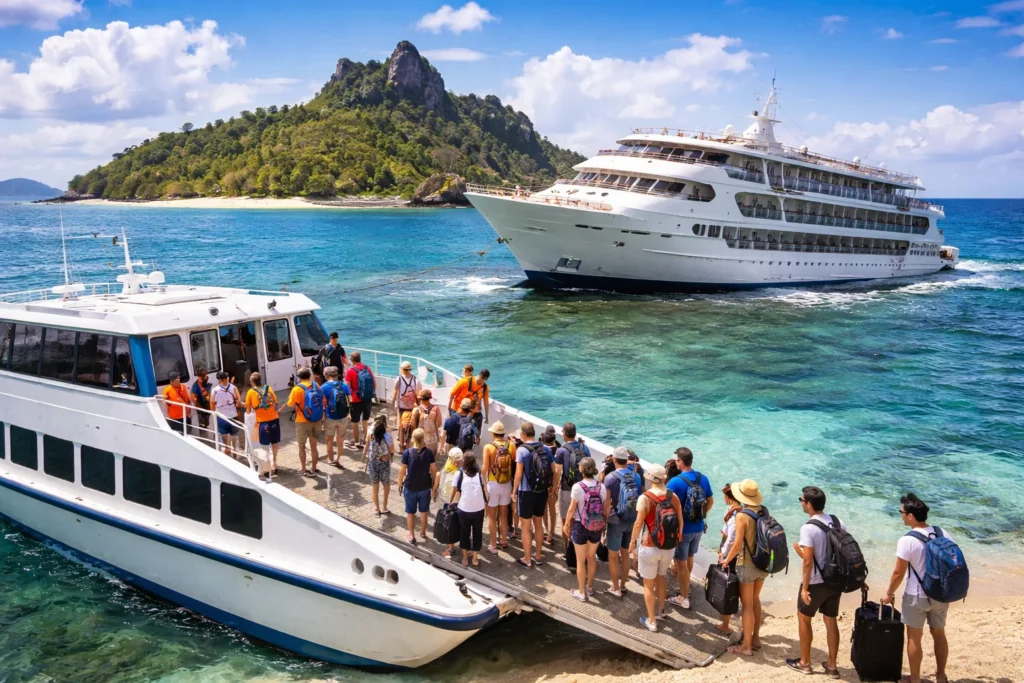
Emergency response teams acted promptly to manage the situation. At first light the following day, a ferry was deployed to the site, allowing passengers to disembark in an orderly and controlled manner. A total of 30 passengers were safely transferred, along with their belongings, to Denarau Island, one of Fiji’s primary tourism hubs. Officials confirmed that no injuries were reported, highlighting the success of evacuation protocols.
Fiji’s maritime safety framework, overseen by national regulatory authorities, requires strict compliance with international safety standards. Cruise operators in the region are mandated to implement comprehensive emergency response plans, including evacuation procedures, communication systems, and environmental protection measures. The handling of this incident reflects the effectiveness of these regulations and the preparedness of both operators and support teams.
In addition to ensuring passenger safety, authorities quickly addressed environmental concerns. Fuel and other potentially hazardous materials onboard the vessel were removed to minimize any risk to the surrounding marine ecosystem. This action aligns with Fiji’s commitment to protecting its natural resources, which are central to the country’s tourism appeal.
Tourism officials have reiterated that Fiji remains a safe and attractive destination for travelers. The country’s cruise tourism sector plays a vital role in its economy, contributing to employment, local business growth, and international visitor arrivals. Incidents such as this are carefully managed to maintain confidence in the destination and uphold safety standards.
The involvement of a specialized salvage team further underscores the coordinated response to the situation. Experts have been working to assess the vessel and oversee recovery operations, ensuring that all procedures are conducted in accordance with maritime guidelines. These efforts are aimed at restoring normal operations while safeguarding the marine environment.
Fiji’s tourism board continues to promote the destination’s unique offerings, including its pristine beaches, vibrant marine life, and cultural experiences. Cruise tourism remains a key component of this strategy, providing visitors with access to multiple islands and attractions. The sector has been supported by ongoing investments in infrastructure, safety, and sustainability initiatives.
The incident also highlights the importance of weather monitoring and risk management in cruise operations. Advances in technology and forecasting have significantly improved the ability of operators to anticipate and respond to changing conditions. However, unpredictable weather events can still pose challenges, making preparedness and rapid response essential.
For travelers, the event serves as a reminder of the robust safety measures in place within the cruise industry. From crew training to emergency planning, multiple layers of protection are designed to ensure passenger well-being. Tourism authorities encourage visitors to remain informed and confident in the safety standards maintained across the sector.
Looking ahead, Fiji’s cruise tourism industry is expected to continue its growth trajectory, supported by strong international demand and a reputation for high-quality experiences. Authorities are likely to review the incident in detail, using insights gained to further enhance safety protocols and operational practices.
The Fiji cruise incident ultimately demonstrates the resilience and professionalism of the country’s tourism and maritime sectors. With effective emergency response, environmental protection efforts, and ongoing commitment to safety, Fiji remains well-positioned to welcome travelers from around the world while maintaining its status as a leading cruise destination in the Pacific.