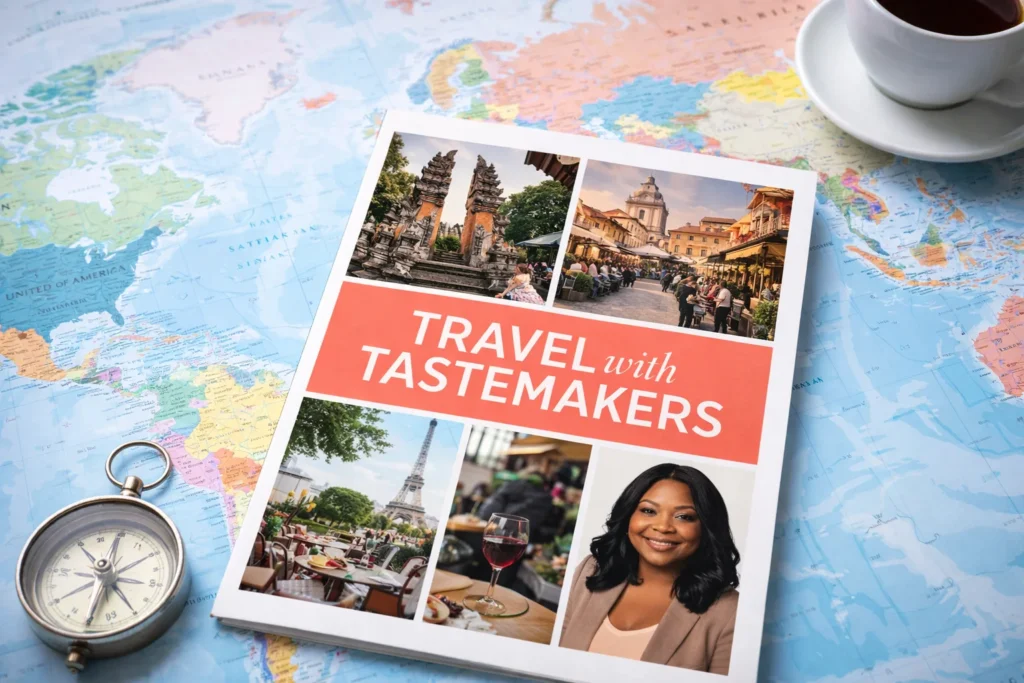
The global tourism industry is witnessing a significant shift toward more authentic, culturally immersive experiences, as travelers increasingly seek deeper connections with destinations. Reflecting this evolving demand, FINN Partners has introduced its latest global study, the Travel with Tastemakers report, offering a fresh perspective on travel through the insights of influential creative voices from around the world.
This initiative aligns with broader tourism strategies promoted by governments and tourism boards, which emphasize cultural preservation, local engagement, and sustainable travel experiences. Official tourism frameworks across multiple regions have highlighted the growing importance of experiential tourism, where visitors move beyond traditional sightseeing to explore the cultural essence of destinations.
The Travel with Tastemakers report presents more than 25 global destinations through the perspectives of artists, chefs, designers, and cultural leaders. By focusing on lived experiences and local insights, the report supports the tourism sector’s shift toward storytelling-driven travel, a trend increasingly recognized in official tourism development plans.
Destinations featured in the report include globally significant cultural hubs such as Bali, Berlin, Kyoto, Beijing, Turin, and New Orleans. These locations are presented not as standard tourist destinations but as living cultural landscapes shaped by everyday life, traditions, and creative expression.
Tourism authorities have increasingly promoted such destinations by highlighting their unique cultural identities and encouraging visitors to explore beyond mainstream attractions. This approach supports sustainable tourism by distributing visitor flows and preserving local heritage.
One of the key themes emerging from the report is the importance of local knowledge in shaping meaningful travel experiences. Official tourism bodies have emphasized that community involvement and local storytelling are essential for creating authentic visitor experiences. By showcasing destinations through the eyes of those who live and work there, the report reinforces this principle.
The report also responds to the growing influence of digital platforms in shaping travel decisions. While social media and algorithms often drive tourism trends, many tourism authorities have raised concerns about the concentration of visitors in a limited number of popular locations. The Travel with Tastemakers report offers an alternative approach, encouraging travelers to discover lesser-known areas and engage with local cultures.
In Bali, for example, the report highlights traditional markets, artisan communities, and spiritual sites that reflect the island’s cultural heritage. In Berlin, it explores creative districts, independent galleries, and design studios that define the city’s contemporary identity. Kyoto is presented through its traditional craftsmanship, tea culture, and historic neighborhoods, while Beijing is showcased through its evolving cultural spaces and vibrant urban life.
These insights align with official tourism campaigns that promote cultural tourism as a means of preserving heritage while supporting local economies. By encouraging visitors to engage with local communities, such initiatives contribute to economic development and cultural sustainability.
Another important aspect of the report is its focus on sensory experiences. Tourism strategies increasingly emphasize the role of food, art, and daily rituals in creating memorable travel experiences. The report highlights culinary traditions, local markets, and creative spaces as key elements of destination appeal.
For instance, Turin is portrayed through its historic cafés and culinary heritage, while New Orleans is celebrated for its music, cuisine, and cultural diversity. These elements are central to tourism promotion efforts, as they offer unique experiences that differentiate destinations in a competitive global market.
The Travel with Tastemakers report also underscores the importance of creativity in tourism development. Cultural industries, including art, design, and gastronomy, play a significant role in attracting visitors and enhancing destination appeal. Tourism authorities have recognized the value of these industries in driving innovation and creating distinctive travel experiences.
In addition to cultural insights, the report highlights a broader shift in traveler behavior. Modern travelers are increasingly seeking meaningful experiences that provide personal enrichment and emotional connection. This trend is reflected in official tourism data, which shows growing demand for experiential and purpose-driven travel.
The report’s storytelling approach supports this trend by presenting destinations as dynamic environments shaped by people, traditions, and creativity. This perspective encourages travelers to engage more deeply with the places they visit, fostering a greater appreciation for cultural diversity.
From an industry perspective, the report serves as a valuable resource for tourism stakeholders, including destination marketing organizations, hospitality providers, and travel brands. By offering insights into traveler preferences and emerging trends, it supports strategic planning and marketing efforts.
The launch of the Travel with Tastemakers report comes at a time when the tourism sector is focusing on recovery and long-term growth. Governments and tourism boards are investing in initiatives that promote sustainable development, cultural preservation, and innovation. Reports such as this contribute to these efforts by providing a deeper understanding of what travelers value.
Looking ahead, the emphasis on authentic and culturally rich experiences is expected to continue shaping the future of tourism. As travelers seek more meaningful connections with destinations, the role of local communities and creative voices will become increasingly important.
The Travel with Tastemakers report highlights this evolution, demonstrating how tourism can move beyond traditional models to embrace a more holistic and human-centered approach. By celebrating the stories, traditions, and creativity that define destinations, the report reflects the changing nature of global travel and the growing demand for experiences that inspire and connect.
As the tourism industry continues to adapt, initiatives that prioritize authenticity, sustainability, and cultural engagement will play a key role in shaping its future. The insights presented in this report provide a clear indication of where the industry is heading, offering a roadmap for destinations and travelers alike to embrace a more meaningful and enriching travel experience.