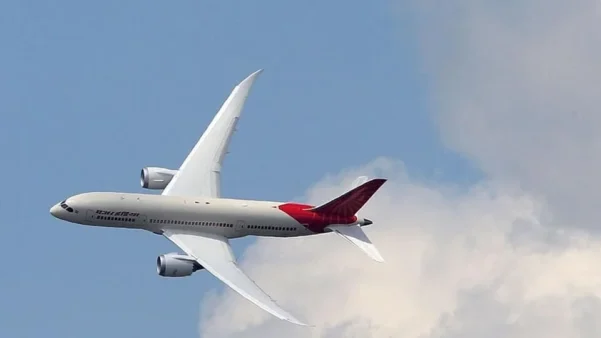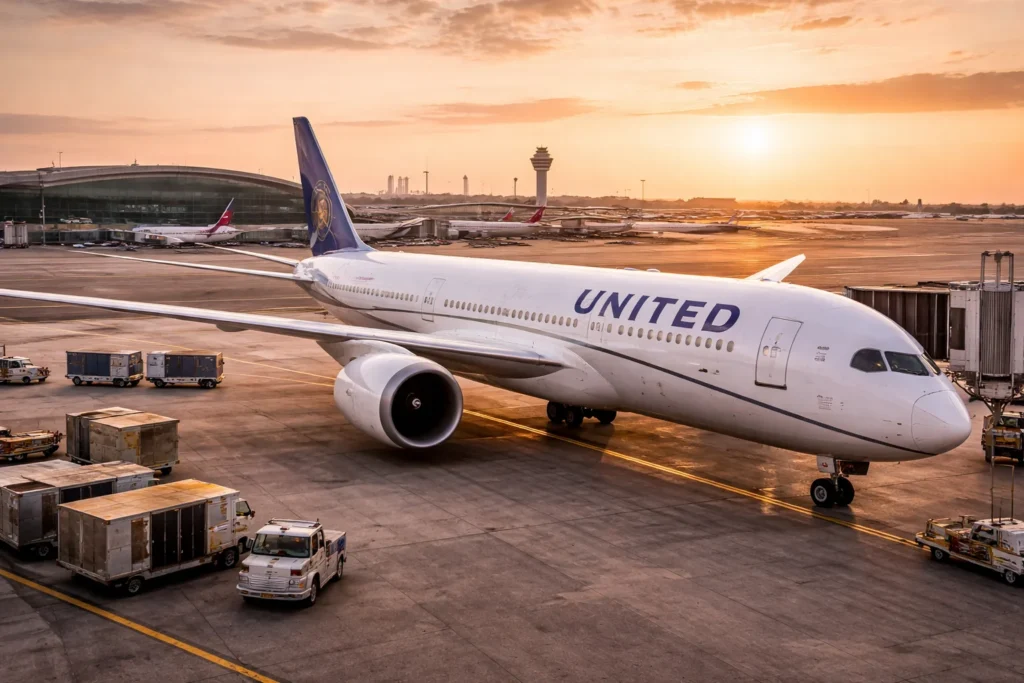
The introduction of the Boeing 787 Dreamliner has played a transformative role in reshaping long-haul travel, significantly influencing global tourism connectivity and airline operations. Aviation authorities and transport ministries worldwide recognise that advancements in aircraft technology are central to expanding international travel networks and supporting tourism growth across regions.
Since entering service, the Boeing 787 has become one of the most widely adopted widebody aircraft in modern aviation. With more than a thousand units operating globally, it has enabled airlines to redefine how long-distance routes are planned and executed. Government-backed aviation strategies highlight that such aircraft innovations are essential for improving efficiency, reducing environmental impact, and enhancing passenger experience.
One of the most significant changes brought by the Boeing 787 is its ability to operate long-haul routes with greater fuel efficiency. Compared to earlier generations of aircraft, the Dreamliner consumes less fuel while carrying a similar or higher number of passengers. This efficiency allows airlines to introduce routes that were previously considered economically unviable, opening new opportunities for tourism development.
Transport authorities emphasise that the expansion of direct routes has a direct impact on tourism growth. By reducing the need for connecting flights, travellers can reach destinations more quickly and conveniently. This improved accessibility encourages tourism boards to promote new destinations and attract visitors from a wider range of markets.
The design of the Boeing 787 has also contributed to its widespread adoption. Built using advanced composite materials, the aircraft is lighter and more aerodynamically efficient than traditional models. These features not only reduce operational costs but also enable longer flight ranges, allowing airlines to connect cities that were previously underserved.
In addition to its technical capabilities, the Dreamliner has enhanced passenger comfort, an important factor in long-haul tourism. Aviation regulators and industry guidelines highlight that improved cabin environments, including better air quality, reduced noise levels, and increased humidity, contribute to a more pleasant travel experience. These improvements help reduce fatigue, making long journeys more manageable for travellers.
The impact of the Boeing 787 extends beyond individual flights to the broader structure of airline networks. Traditionally, long-haul travel relied on large aircraft operating between major hub airports. This hub-and-spoke model required passengers to make connections, often increasing travel time and complexity. The efficiency of the 787 has enabled airlines to adopt more flexible network strategies, including the introduction of direct services between smaller cities.
Tourism authorities note that this shift has significant benefits for regional destinations. Smaller cities and emerging tourism markets can now be connected directly to international hubs, increasing visitor numbers and supporting local economies. This decentralisation of air travel helps distribute tourism more evenly, reducing pressure on major destinations while promoting sustainable growth.
The aircraft’s versatility is another key factor in its success. Available in multiple variants, the Boeing 787 can be tailored to different route requirements, from medium-haul to ultra-long-haul flights. This flexibility allows airlines to optimise capacity and match demand more effectively, ensuring efficient operations across diverse markets.
Government aviation policies increasingly support the adoption of fuel-efficient aircraft as part of broader sustainability goals. The Boeing 787’s reduced emissions align with international efforts to minimise the environmental impact of air travel. By enabling airlines to operate more efficiently, the aircraft contributes to the development of greener tourism practices.
The influence of the Dreamliner is also evident in the expansion of ultra-long-haul routes. Aviation authorities have reported a rise in direct flights covering distances that were once considered impractical. These routes connect continents more seamlessly, making it easier for travellers to explore distant destinations without multiple stopovers.
For tourism boards, the availability of such routes provides new opportunities to attract international visitors. Direct connections between regions can stimulate demand, encourage longer stays, and increase tourism revenue. This is particularly beneficial for destinations seeking to diversify their visitor base and reach new markets.
Airlines have also benefited from the operational advantages of the Boeing 787. Lower maintenance requirements and improved reliability contribute to cost savings and more consistent service. These factors enable airlines to maintain competitive pricing while offering high-quality travel experiences, supporting the overall growth of global tourism.
The aircraft’s role in modern aviation highlights the importance of innovation in shaping travel trends. As passenger expectations continue to evolve, airlines are investing in technologies that enhance comfort, efficiency, and connectivity. The Boeing 787 serves as a benchmark for these advancements, demonstrating how technological progress can transform the travel industry.
Looking ahead, aviation authorities expect the continued deployment of advanced aircraft to further expand global connectivity. The success of the Boeing 787 has set a precedent for future developments, encouraging manufacturers to focus on efficiency and sustainability. These innovations will play a crucial role in supporting the next phase of tourism growth.
For travellers, the impact of the Dreamliner is evident in the increased availability of direct flights and improved onboard experiences. Long-haul journeys are now more accessible and comfortable, making international travel more appealing to a broader audience.
The evolution of long-haul travel driven by the Boeing 787 underscores the strong link between aviation technology and tourism development. By enabling new routes, improving efficiency, and enhancing passenger comfort, the aircraft has become a cornerstone of modern global travel.
As Boeing 787 tourism continues to shape the future of aviation, destinations worldwide stand to benefit from improved accessibility and increased visitor numbers. The Dreamliner’s legacy is one of innovation and connectivity, paving the way for a more interconnected and sustainable travel landscape.