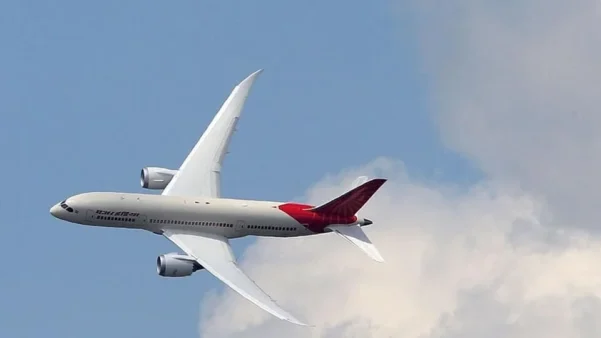
The global aviation industry experienced a dramatic shift in operational performance in March 2026, with official aviation data confirming a sharp rise in global flight cancellations and noticeable changes in airline reliability rankings. The surge has raised concerns among tourism authorities and travelers, as increased disruptions continue to influence international travel demand and connectivity.
According to official aviation performance reports released by regulatory and airport authorities, global flight cancellations more than doubled within a single month. The total number of cancelled flights rose from 43,904 in February to 92,523 in March, representing a 111 percent increase. This sudden escalation reflects a combination of operational challenges, regional instability, and shifting airline schedules that have collectively impacted the tourism sector.
Tourism boards and transport ministries across multiple regions have acknowledged the growing impact of these disruptions on both domestic and international travel. The rise in cancellations has affected flight availability, travel planning, and visitor arrivals, particularly in regions heavily dependent on air connectivity.
Regional trends reveal a varied but significant impact across the globe. The Middle East and Africa recorded the most dramatic increase, with cancellations rising by an extraordinary 966 percent. This sharp spike is largely attributed to regional operational challenges and airspace constraints, which have disrupted major travel corridors and reduced connectivity between continents.
In the Asia Pacific region, cancellations increased by 72 percent, reflecting ongoing adjustments in airline schedules and capacity management. Several tourism authorities in the region have indicated that while demand remains strong, airlines are prioritizing operational efficiency and safety, leading to temporary reductions in flight frequency.
Europe also saw a notable rise in cancellations, with a 33 percent increase reported for March. Transport ministries have pointed to a combination of seasonal scheduling changes, operational pressures, and air traffic management constraints as contributing factors. These disruptions have had a ripple effect on intra-European travel as well as long-haul connections.
North America experienced a comparatively moderate increase of 26 percent, though tourism officials have noted that even this level of disruption can significantly affect travel plans, particularly during peak booking periods. Airlines in the region have been working closely with aviation authorities to manage schedules and minimize passenger inconvenience.
In contrast, Latin America emerged as the only region to report an improvement in operational stability. Flight cancellations decreased by 36 percent, signaling stronger performance and improved reliability. Tourism boards in the region have highlighted this positive trend as a key factor supporting continued growth in visitor arrivals and travel confidence.
Alongside the rise in cancellations, the March 2026 report also highlighted shifts in airline on-time performance rankings. Several carriers demonstrated strong operational efficiency despite the challenging global environment, earning recognition from aviation authorities for their reliability.
In Latin America, Sky Airline emerged as the leading performer, reflecting consistent schedule adherence and efficient operations. Tourism officials in the region have noted that reliable airline performance plays a crucial role in enhancing traveler confidence and supporting regional tourism growth.
On a global scale, SAS secured the top position among international airlines, showcasing strong punctuality and operational management. This achievement underscores the importance of maintaining high service standards even during periods of disruption.
In the Asia Pacific region, Singapore Airlines was recognized as the leading carrier for on-time performance. The airline’s consistent reliability has been highlighted by tourism boards as a key factor in maintaining strong connectivity and supporting tourism flows across the region.
Europe’s top performer was Austrian Airlines, which demonstrated resilience and efficiency despite the broader operational challenges affecting the continent. Aviation authorities have emphasized that such performance benchmarks are essential for sustaining competitive and reliable travel networks.
The increase in global flight cancellations has had a direct impact on tourism, particularly for destinations reliant on seamless international connectivity. Travel delays, rescheduled itineraries, and reduced flight options have influenced booking patterns and traveler behavior, prompting tourism boards to adapt their strategies.
Many official tourism bodies are focusing on flexible travel policies, improved communication, and enhanced passenger support to mitigate the effects of disruptions. Airlines and airports are also implementing operational adjustments aimed at improving resilience and reducing the likelihood of further cancellations.
Despite the challenges, there are signs of adaptability within the aviation and tourism sectors. Authorities continue to monitor performance trends closely, working to ensure that safety, efficiency, and passenger experience remain priorities.
The March 2026 aviation performance report highlights the dynamic nature of global air travel and its direct connection to tourism. While the surge in cancellations presents short-term challenges, the industry’s response and ongoing adjustments indicate a commitment to stabilizing operations and restoring traveler confidence.
As global travel demand continues to evolve, the ability of airlines and airports to maintain reliable operations will play a critical role in shaping the future of tourism. For travelers, staying informed and flexible remains essential in navigating the current landscape of global aviation.