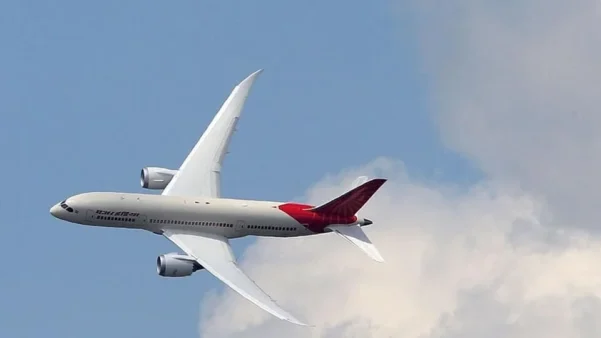
Portugal’s national carrier, TAP Air Portugal, has reported continued financial stability and steady tourism-driven growth as it prepares for a new phase of expansion and partial privatization. According to official financial statements and government-backed restructuring updates, the airline remains profitable despite ongoing industry challenges, signaling resilience in both aviation and tourism sectors.
The airline recorded a net profit in 2025, marking its fourth consecutive year of positive financial performance. Officials confirmed that while profitability was affected by adjustments in corporate tax rates, operational results remained strong, supported by stable passenger demand and improved efficiency. Government authorities overseeing the restructuring process have highlighted this achievement as a key milestone in restoring long-term viability.
Transport and tourism officials note that the airline’s performance reflects broader trends in European travel recovery. Passenger numbers increased during the year, with the airline carrying over 16 million travelers and achieving a higher load factor, indicating improved seat occupancy. This growth aligns with official tourism statistics showing rising demand for international travel, particularly across transatlantic routes.
Revenue stability has also played a crucial role in the airline’s performance. Official reports confirm that passenger revenue remained consistent, while ancillary services, including maintenance operations, contributed to overall income growth. Aviation authorities emphasize that diversified revenue streams are becoming increasingly important for airlines navigating cost pressures and operational challenges.
The final quarter of 2025 demonstrated particularly strong results, with the airline returning to profitability after a loss in the same period the previous year. Officials attribute this improvement to increased travel demand during peak seasons, as well as operational adjustments that enhanced efficiency and cost control.
The airline’s financial progress comes at a significant moment, as Portugal advances plans to partially privatize the carrier. Government agencies have confirmed that a stake in the airline is being offered to investors, with major European airline groups expressing interest. The process is being managed by national financial authorities, who are evaluating proposals to ensure strategic alignment with the country’s aviation and tourism goals.
Tourism officials view this development as an opportunity to strengthen Portugal’s position as a global travel hub. By attracting investment and expanding airline partnerships, the country aims to enhance connectivity and support continued growth in visitor arrivals. Lisbon, in particular, is expected to benefit from increased international routes and improved access to key markets.
The airline has also completed the main requirements of its restructuring plan, which was supported by government-approved financial assistance. According to official statements, the plan included cost reductions, network optimization, and fleet adjustments designed to improve efficiency and competitiveness. Authorities have confirmed that these measures have successfully positioned the airline for sustainable growth.
Looking ahead, TAP Air Portugal has outlined plans to expand its network, with a focus on strengthening transatlantic connectivity. Official route announcements confirm new services from Lisbon to additional destinations in Brazil, reinforcing the airline’s presence in one of its most important markets. Tourism boards highlight Brazil as a key source of visitors, with strong cultural and economic ties driving travel demand.
In addition to South American expansion, the airline is introducing new routes to North America, including services to Orlando. These developments are expected to enhance connectivity between Europe and the United States, supporting both tourism and business travel. Officials also confirmed the expansion of services from Porto, further strengthening regional connectivity within Portugal.
The airline’s fleet remains within the limits set by its restructuring plan, with close to 100 aircraft in operation. Aviation authorities note that maintaining a modern and efficient fleet is essential for supporting route expansion while managing operational costs. The current fleet includes a mix of widebody and narrowbody aircraft, enabling the airline to serve both long-haul and regional markets effectively.
Despite the positive outlook, officials acknowledge ongoing challenges in the aviation sector. Rising fuel costs, supply chain disruptions, and geopolitical uncertainties continue to affect airline operations worldwide. Government transport agencies have emphasized the importance of flexibility and strategic planning in responding to these factors.
TAP Air Portugal has indicated that it will adopt a cautious yet optimistic approach in 2026, focusing on disciplined growth and operational efficiency. Booking trends remain strong, with increasing demand supporting higher load factors and improved revenue performance. Tourism authorities believe that this momentum will contribute to the continued recovery of Portugal’s travel industry.
The airline’s expansion strategy is closely aligned with national tourism objectives, which prioritize connectivity, accessibility, and visitor experience. By increasing routes and capacity, TAP is expected to play a central role in attracting international tourists and supporting economic growth.
Industry observers note that the airline’s performance demonstrates the resilience of the aviation sector, even in a challenging global environment. The combination of strong demand, strategic investment, and effective management has enabled TAP to maintain stability while preparing for future growth.
As Portugal moves forward with its privatization plans and tourism development strategies, TAP Air Portugal remains a key pillar of the country’s connectivity. Its ability to adapt to changing market conditions and capitalize on travel demand will be critical in shaping the future of both aviation and tourism.
With new routes, sustained profitability, and a clear growth strategy, the airline is well-positioned to support Portugal’s ambitions as a leading global destination.