Dubai, a global tourism powerhouse and aviation hub, has introduced temporary restrictions on foreign airline operations until 31 May, a move that is expected to significantly influence international travel patterns and tourism flows, particularly between India and the United Arab Emirates. The decision reflects ongoing operational adjustments in response to regional developments and capacity considerations at the emirate’s airports.
Under the new guidelines, international carriers have been limited to operating just one daily round-trip flight into Dubai. The restrictions apply to both Dubai International Airport, widely recognized as one of the busiest international passenger hubs globally, and Al Maktoum International Airport, which supports the city’s growing aviation infrastructure. The measures are scheduled to remain in place during the summer travel period from April 20 to May 31.
Dubai’s aviation network plays a central role in global tourism connectivity, linking major destinations across Asia, Europe, and Africa. The emirate’s tourism strategy, guided by official government initiatives, has consistently emphasized seamless air access as a key driver of visitor growth. The current restrictions, however, highlight how external factors can influence even the most established travel ecosystems.
The impact of the Dubai flight restrictions is expected to be most significant for Indian airlines, given the strong travel demand between the two regions. Official tourism and aviation data confirm that India remains the largest source market for passengers traveling through Dubai. In recent years, millions of Indian travellers have visited the city for leisure, business, and transit purposes, reinforcing its status as a preferred international destination.
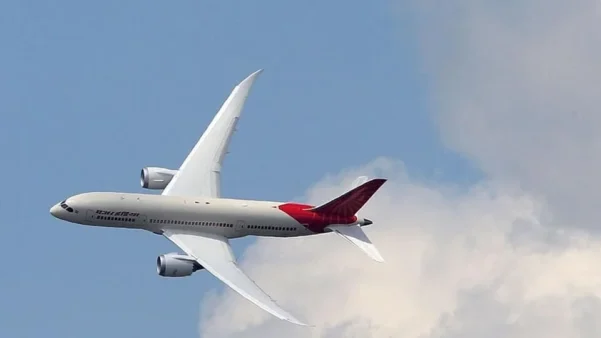
Major carriers such as Air India, IndiGo, and SpiceJet had planned extensive flight schedules to Dubai during the affected period. With the implementation of the one-flight-per-day cap, these airlines are now required to reduce their operations, potentially affecting passenger availability and travel planning for thousands of travellers.
From a tourism perspective, the restrictions could lead to tighter seat availability, especially during peak travel weeks. Dubai’s tourism authorities have consistently highlighted the importance of maintaining high connectivity levels to support visitor arrivals. Any reduction in flight capacity may influence short-term tourism demand, particularly from high-volume markets like India.
The development also comes at a time when airlines are navigating multiple operational challenges. Rising Aviation Turbine Fuel prices, as reported in official government data, have increased operational costs for carriers. Additionally, ongoing airspace restrictions in certain regions have resulted in longer flight routes for some international journeys, further impacting airline efficiency and profitability.
Industry stakeholders have responded by calling for policy-level engagement. The Federation of Indian Airlines has urged authorities to initiate dialogue aimed at restoring balanced aviation access. The organization has raised concerns that the current restrictions may create an uneven competitive environment, particularly if domestic UAE carriers are not subject to the same limitations.
For Dubai’s tourism sector, the temporary flight cap underscores the importance of flexibility and resilience. The emirate has built a strong reputation for its ability to adapt to changing global conditions, supported by coordinated efforts between government agencies, aviation authorities, and tourism boards. While the restrictions are expected to be temporary, they reflect a proactive approach to managing airport capacity and ensuring operational stability.
Despite the limitations, Dubai continues to position itself as a leading global destination, offering a wide range of attractions including luxury hospitality, retail experiences, cultural landmarks, and world-class events. Official tourism campaigns continue to promote the city’s diverse offerings, encouraging visitors to plan their trips with updated travel information.
For travellers, the current situation highlights the importance of early planning and flexibility. Tourism authorities recommend checking official airline schedules and government advisories before making travel arrangements. Airlines may adjust their operations dynamically, reallocating capacity based on demand and operational feasibility within the new framework.
Looking ahead, the Dubai flight restrictions are expected to remain in effect until the end of May, after which authorities may reassess capacity levels based on prevailing conditions. The gradual restoration of flight frequencies will be closely monitored by both the aviation and tourism sectors, as it will play a key role in shaping travel demand during the upcoming peak seasons.
In the broader context of global tourism, the situation illustrates the interconnected nature of aviation and travel industries. Changes in flight operations can have immediate and far-reaching effects on tourism flows, airline performance, and traveler behavior. Dubai’s response demonstrates how major travel hubs navigate such challenges while maintaining their commitment to connectivity and service excellence.
As one of the most visited cities in the world, Dubai’s ability to manage these temporary disruptions will be critical in sustaining its tourism momentum. The current measures, while limiting in the short term, reflect a strategic approach aimed at balancing operational efficiency with long-term growth in international travel and tourism.
For more travel news like this, keep reading Global Travel Wire