Hannover Airport has taken a significant step in strengthening Germany’s aviation and tourism landscape by joining the international airline association BARIG. This development is expected to enhance collaboration between airlines and airport operators, with a strong focus on improving passenger experience, operational efficiency, and overall travel connectivity.
The partnership between Hannover Airport and Board of Airline Representatives in Germany reflects a broader trend in the aviation industry, where cooperation among stakeholders is becoming increasingly essential to support tourism growth and modern travel demands. By becoming part of this global network, Hannover Airport positions itself as a key contributor to shaping the future of air travel in Germany and beyond.
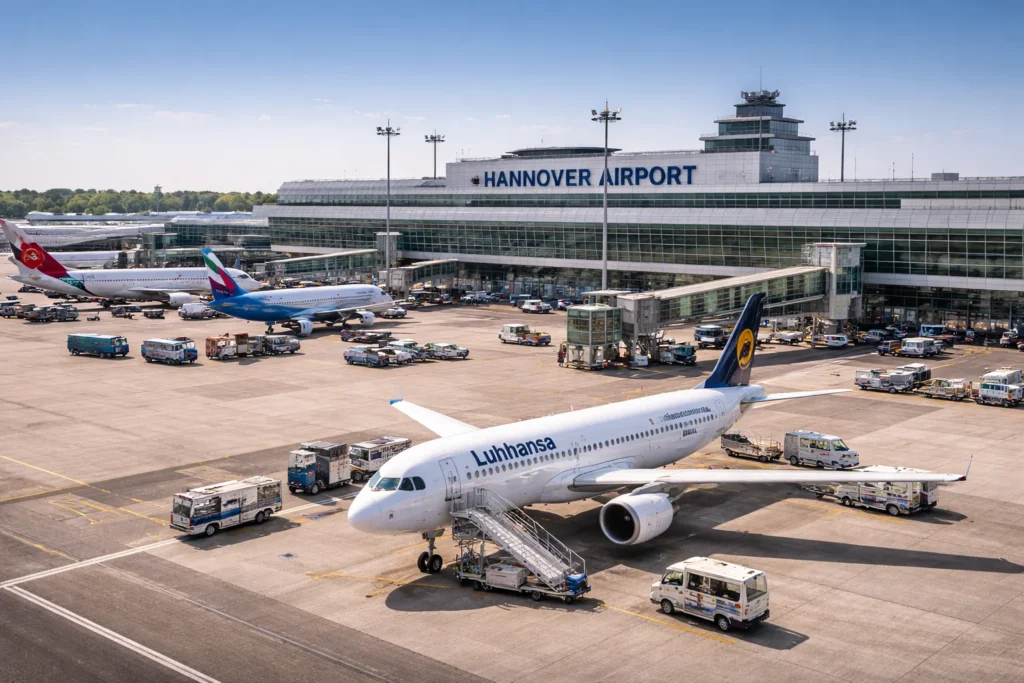
Hannover Airport, the only international commercial airport in Lower Saxony, plays a crucial role in connecting northern Germany to global destinations. With its 24-hour operating license, the airport supports a wide range of travel needs, including leisure tourism, business travel, and cargo logistics. Official airport data indicates that in 2025, the airport handled approximately 5.3 million passengers, highlighting its importance as a regional aviation hub.
Through its membership in BARIG, Hannover Airport will engage in collaborative efforts aimed at optimizing various aspects of airport and airline operations. These include ground handling services, aviation security processes, and sustainability initiatives. Such improvements are expected to directly benefit travelers by streamlining procedures and enhancing the overall journey experience.
The tourism sector stands to gain significantly from this collaboration. Hannover Airport serves more than 60 direct destinations, including popular holiday locations, major European cities, and key international transit hubs. By strengthening operational coordination with airlines, the airport can support more efficient flight schedules, improved connectivity, and better service delivery for tourists traveling to and from Germany.
The partnership also aligns with official priorities in the German aviation sector, where authorities and industry bodies have emphasized the importance of digitalization and innovation. Modern technologies are increasingly being integrated into airport operations, from automated check-in systems to advanced security screening solutions. These developments contribute to smoother passenger flows and reduced waiting times, enhancing the attractiveness of air travel as a mode of transportation.
For international travelers, Hannover Airport offers a gateway to northern Germany’s cultural and economic centers. The region is known for its historic cities, scenic landscapes, and vibrant business environment. Improved airport operations and enhanced airline collaboration are expected to make these destinations more accessible, supporting tourism growth and regional development.
The role of BARIG in this partnership is particularly significant. As a leading airline association representing international carriers in Germany, BARIG facilitates dialogue between airlines, airports, and regulatory authorities. Its initiatives focus on improving industry standards, promoting sustainable practices, and ensuring efficient aviation operations. By joining this network, Hannover Airport gains access to a platform for sharing expertise and implementing best practices.
From a tourism perspective, the collaboration highlights the importance of integrated travel ecosystems. Airports are no longer just transit points; they are key components of the travel experience. Efficient ground services, seamless connections, and high-quality passenger amenities all contribute to the overall satisfaction of travelers. By working closely with airlines, Hannover Airport aims to enhance these elements and create a more traveler-friendly environment.
Sustainability is another important aspect of the partnership. The aviation industry is undergoing a transition toward more environmentally responsible practices, supported by government policies and international agreements. Hannover Airport’s involvement in BARIG initiatives is expected to contribute to efforts aimed at reducing emissions, optimizing resource use, and promoting sustainable travel options.
The airport’s diverse operations further strengthen its role in the aviation ecosystem. In addition to passenger services, Hannover Airport serves as a cargo hub, supports emergency response operations, and hosts specialized aviation services such as air rescue and police aviation units. These functions highlight its strategic importance beyond tourism, contributing to regional safety and economic stability.
Looking ahead, the partnership between Hannover Airport and BARIG is expected to drive continuous improvements in airport operations and passenger services. By fostering collaboration and innovation, the initiative supports the long-term growth of Germany’s aviation and tourism sectors.
For travelers, these developments promise a more efficient and enjoyable journey. Enhanced coordination between airlines and airport operators can lead to smoother check-in processes, better baggage handling, and improved on-ground services. As travel demand continues to evolve, such initiatives play a crucial role in meeting the expectations of modern tourists.
In the broader context of global tourism, Hannover Airport’s entry into BARIG underscores the importance of collaboration in building resilient and competitive travel networks. By aligning with international standards and embracing innovation, the airport is contributing to a stronger, more connected aviation landscape.
As Germany continues to position itself as a leading tourism destination in Europe, partnerships like this will be essential in supporting sustainable growth and delivering high-quality travel experiences. Hannover Airport’s integration into BARIG marks a forward-looking step toward achieving these goals, benefiting both travelers and the wider tourism industry.