Dubai’s position as a global tourism and aviation hub is facing a temporary shift as authorities limit foreign airline operations to one daily flight until 31 May 2026. The move, introduced as part of operational adjustments amid regional developments, is expected to significantly impact international travel flows, particularly between India and the United Arab Emirates.
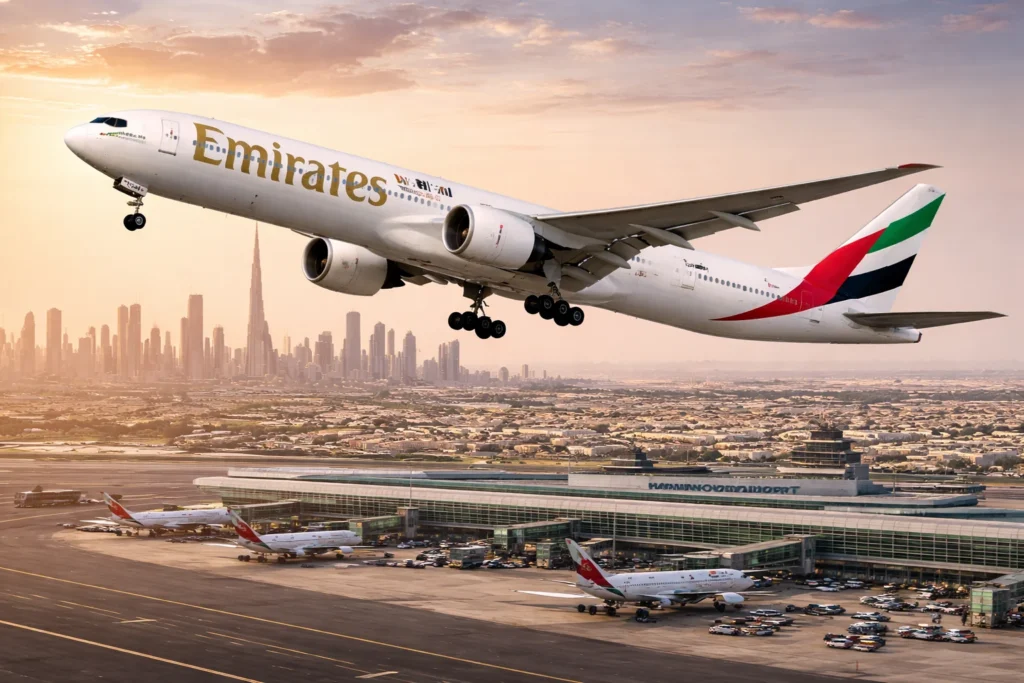
The restrictions apply to both Dubai International Airport, one of the world’s busiest international passenger hubs, and Al Maktoum International Airport, which supports the emirate’s long-term aviation expansion. Under the current policy, foreign airlines are permitted only one round-trip flight per day during the peak summer travel period from April 20 to May 31.
Dubai has long been a central gateway for global tourism, connecting millions of passengers across continents. Its aviation infrastructure plays a critical role in supporting tourism, trade, and business travel. However, the current Dubai flight restrictions highlight how geopolitical developments can influence even the most established travel networks.
The impact of these restrictions is expected to be most pronounced for Indian airlines. India has consistently been the largest source market for Dubai’s international passenger traffic, with official figures showing approximately 11.9 million travellers passing through Dubai’s airports in 2025. This strong travel demand has historically supported frequent and high-capacity flight operations between the two regions.
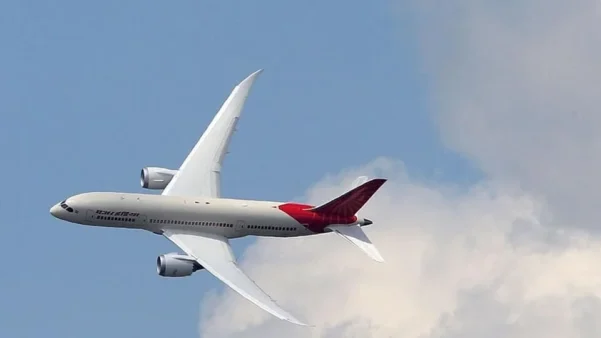
Carriers such as Air India, IndiGo, and SpiceJet had planned extensive schedules to Dubai during the affected months. With the new limitations in place, these airlines are required to significantly reduce their operations, leading to underutilized aircraft capacity and potential revenue challenges.
From a tourism perspective, reduced flight availability can directly influence visitor numbers, especially from key markets like India. Dubai’s tourism authorities have consistently emphasized seamless connectivity as a cornerstone of their strategy. Any reduction in flight frequency may result in tighter seat availability, affecting both leisure and business travel.
The restrictions also come at a time when airlines are navigating multiple operational pressures. Indian carriers are currently dealing with higher Aviation Turbine Fuel costs, as indicated by official government data, which has increased operational expenses. Additionally, ongoing airspace restrictions in certain regions have forced airlines to adopt longer flight routes, further raising fuel consumption and travel time.
Industry stakeholders have responded by seeking policy-level engagement. The Federation of Indian Airlines has urged the government to initiate dialogue with Dubai authorities to review the restrictions. The organization has also highlighted concerns about maintaining balanced aviation access and ensuring fair competition among international carriers.
For Dubai’s tourism sector, the temporary flight cap reflects a strategic approach to managing airport capacity during a period of uncertainty. The emirate has built a strong reputation for resilience, supported by coordinated efforts between aviation authorities, tourism boards, and government agencies. While the restrictions are expected to be temporary, they demonstrate a proactive approach to maintaining operational efficiency.
Despite the limitations, Dubai continues to promote its diverse tourism offerings, including world-class attractions, luxury hospitality, shopping destinations, and cultural experiences. Official tourism campaigns remain focused on attracting visitors while ensuring high standards of service and safety.
For travellers, the current situation underscores the importance of early planning and flexibility. Tourism authorities recommend checking official airline schedules and travel advisories before making travel arrangements. Airlines may adjust their operations based on demand and capacity availability, making it essential for passengers to stay informed.
Looking ahead, the Dubai flight restrictions are expected to remain in place until the end of May, after which authorities may reassess the situation and gradually restore flight capacity. The outcome will depend on regional developments and ongoing coordination between aviation stakeholders.
In the broader context of global tourism, the development highlights the interconnected nature of aviation and travel industries. Changes in airline operations can have immediate effects on tourism flows, airline performance, and traveler behavior. Dubai’s response illustrates how major travel hubs adapt to evolving conditions while maintaining their commitment to global connectivity.
As one of the world’s most visited destinations, Dubai’s ability to navigate these temporary disruptions will be closely watched by the international tourism community. The current measures, while limiting in the short term, reflect a strategic effort to balance operational capacity with long-term growth in tourism and aviation.