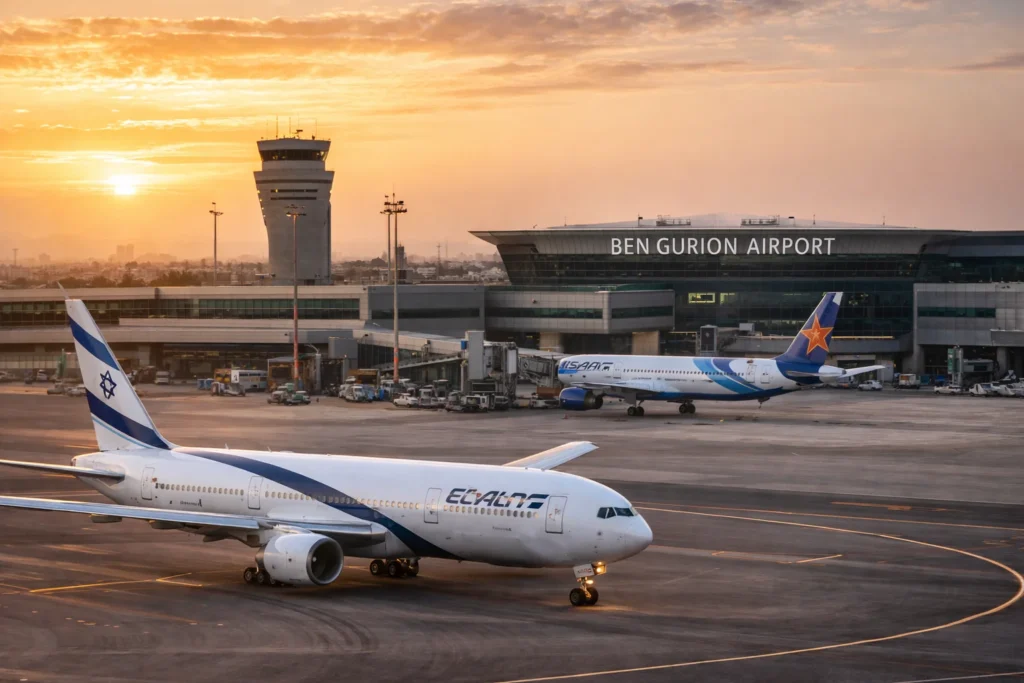
Israel’s main international gateway, Ben Gurion Airport, has officially resumed full operations following weeks of disruption, marking a crucial step toward restoring international travel and tourism activity. However, the reopening comes with a significant challenge for travelers, as airfares continue to rise sharply due to limited flight availability and increased operational costs.
The reopening of Ben Gurion Airport is expected to support the gradual recovery of Israel’s tourism sector, which plays a vital role in the country’s economy. According to official tourism data, the airport serves as the primary entry and exit point for international visitors, connecting Israel to key global markets. With travel demand rebounding, airlines are working to restore services and accommodate passengers eager to resume travel plans.
Israeli carriers, including El Al and Israir Airlines, are increasing flight frequencies and expanding seat capacity to meet growing demand. These airlines are playing a central role in maintaining connectivity as international travel resumes, particularly during the peak spring and summer travel seasons.
Despite these efforts, the absence of many foreign airlines has created a supply gap in the market. International carriers have been cautious about resuming operations, awaiting greater stability in regional conditions. This limited participation has resulted in reduced competition and constrained seat availability, contributing to the ongoing airfare surge.
From a tourism perspective, the situation presents a complex dynamic. On one hand, the reopening of the airport signals renewed accessibility and encourages both inbound and outbound travel. On the other hand, higher ticket prices may influence travel decisions, particularly for budget-conscious travelers. Tourism authorities have acknowledged the importance of maintaining affordability while ensuring safe and efficient travel operations.
The current airfare increase is also linked to broader global trends affecting the aviation industry. Rising Aviation Turbine Fuel costs, as reflected in official government and industry data, have significantly increased airline operating expenses. Fuel remains one of the largest cost components for airlines, and fluctuations in global energy markets have a direct impact on ticket pricing.
In addition to fuel costs, airlines are managing other operational challenges, including increased insurance requirements, maintenance expenses, and logistical complexities associated with restoring flight schedules. These factors collectively contribute to higher travel costs, which are often passed on to passengers through increased fares.
For Israeli travelers, the impact is particularly noticeable during the peak travel season. With demand for international travel rising after a period of disruption, the limited number of available flights has intensified competition for seats. This imbalance between supply and demand is a key driver behind the current pricing trends.
Tourism authorities continue to emphasize the importance of planning ahead. Travelers are encouraged to book flights early and remain flexible with travel dates to secure better fares. Official travel advisories also recommend staying informed about airline schedules and updates, as capacity adjustments may occur as the situation evolves.
The reopening of Ben Gurion Airport also has positive implications for inbound tourism. Israel remains a popular destination known for its cultural heritage, historical landmarks, and diverse landscapes. Improved connectivity is expected to support the return of international visitors, contributing to the recovery of the hospitality and tourism sectors.
At the same time, the aviation industry is focusing on long-term strategies to enhance resilience. Investments in modern aircraft, digital technologies, and operational efficiency are aimed at improving performance and reducing costs. Sustainable aviation initiatives are also gaining momentum, with efforts to reduce environmental impact and promote responsible travel.
The current situation highlights the interconnected nature of global tourism and aviation. Changes in airline operations, fuel prices, and geopolitical conditions can have immediate and far-reaching effects on travel patterns. For Israel, the reopening of its main airport represents a critical milestone, but the path to full recovery will depend on restoring balanced connectivity and stabilizing travel costs.
Looking ahead, the return of foreign airlines will be a key factor in moderating airfares and increasing competition. As more carriers resume operations, seat capacity is expected to improve, potentially easing pricing pressures. Until then, travelers may continue to experience higher costs, particularly during high-demand periods.
In the broader tourism context, the developments at Ben Gurion Airport underscore the importance of adaptability and coordination among aviation stakeholders. Governments, airlines, and tourism boards are working together to ensure that travel remains accessible while addressing operational challenges.
For now, the reopening of the airport offers renewed opportunities for travel, even as the industry navigates a period of adjustment. Travelers planning trips to or from Israel are advised to stay updated with official announcements and plan accordingly to make the most of available options.
As Israel’s tourism sector moves forward, the focus remains on rebuilding confidence, enhancing connectivity, and delivering a seamless travel experience. The reopening of Ben Gurion Airport is a significant step in that direction, signaling resilience and a commitment to restoring international travel.