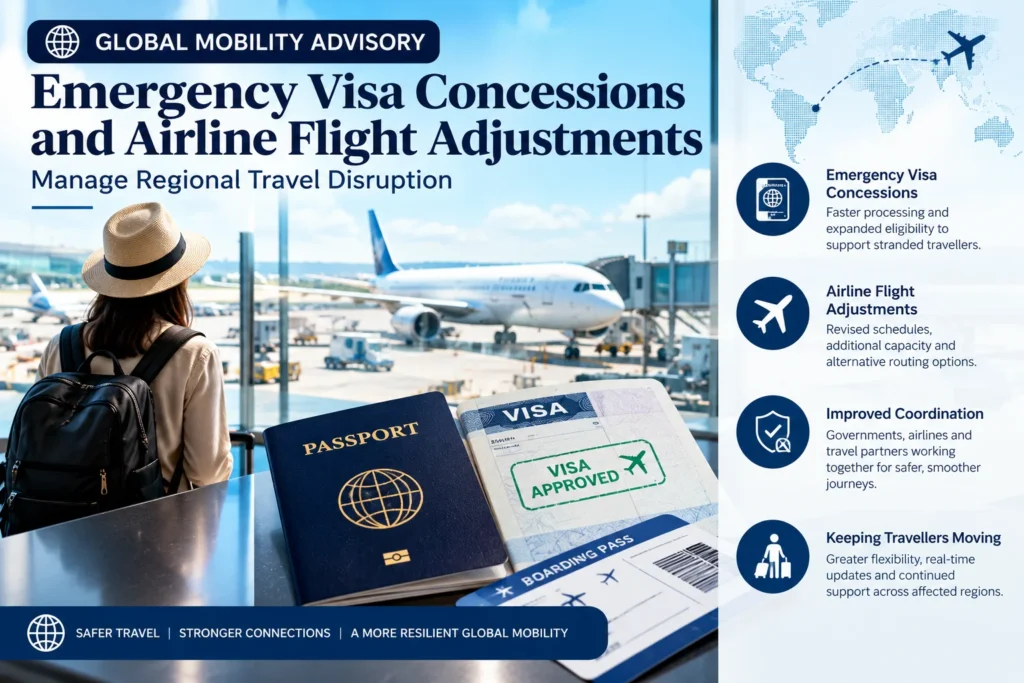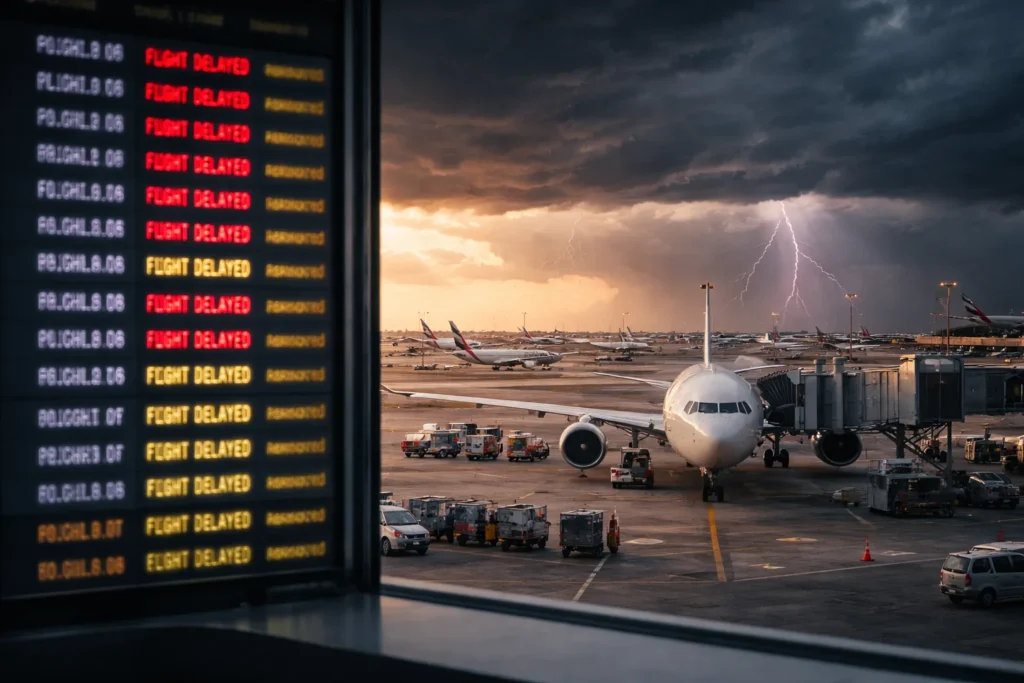
The global aviation and tourism sectors are facing unprecedented challenges in 2026 as widespread flight disruptions across multiple continents expose critical gaps in aviation infrastructure. From North America to Europe and the Asia Pacific region, a combination of extreme weather, staffing shortages, and capacity limitations has triggered cascading delays and cancellations, significantly affecting international travel.
The current wave of global flight disruptions highlights the increasing vulnerability of interconnected aviation networks. Major airports such as Los Angeles International Airport, LaGuardia Airport, and Chicago Midway International Airport have experienced significant operational strain, with airlines reporting hundreds of delays during peak travel periods. These disruptions have not been isolated incidents but part of a broader pattern affecting global connectivity.
In the Asia Pacific region, seasonal weather events such as early monsoon rains and typhoon activity have disrupted thousands of flights, underscoring the impact of climate-related challenges on aviation. Meanwhile, European aviation networks are dealing with congestion and weather-related delays, particularly in key hubs where even minor disruptions can ripple across the entire system.
From a tourism perspective, the situation has created uncertainty for travelers and destinations alike. Air travel remains the backbone of international tourism, and disruptions can have immediate consequences for visitor flows, hotel occupancy, and local economies. Tourism boards and government agencies are closely monitoring the situation, emphasizing the importance of maintaining resilience in travel infrastructure.
The interconnected nature of global aviation means that disruptions in one region can quickly escalate into a worldwide issue. For example, delays at major European hubs such as Paris Charles de Gaulle Airport and Frankfurt Airport can affect flights across multiple continents within hours. Air traffic management systems must constantly adapt to changing conditions, but capacity constraints often limit their ability to absorb sudden shocks.
Staffing shortages have emerged as a critical factor contributing to the crisis. Air traffic control facilities and airport operations teams are facing workforce gaps, which reduce their ability to manage high volumes of flights efficiently. In North America, official aviation data has highlighted the impact of reduced staffing levels on delay rates, particularly during peak travel seasons.
Infrastructure limitations are another key issue. Many airports and air traffic management systems are operating close to their maximum capacity, leaving little room to handle unexpected disruptions. This has been particularly evident during severe weather events, where aircraft are forced to take longer routes, increasing congestion and fuel consumption.
Geopolitical developments have further complicated the situation. Changes in airspace availability in certain regions have forced airlines to reroute long-haul flights, adding time and cost to journeys. These adjustments not only affect airline operations but also influence ticket prices and travel planning for passengers.
Technology has also been identified as a vulnerability within the aviation system. Operational disruptions caused by system outages can have widespread effects, impacting flight scheduling, crew management, and passenger services. As airlines increasingly rely on digital systems, ensuring their reliability and resilience has become a top priority.
Despite these challenges, the aviation industry is actively working to improve resilience and operational efficiency. Authorities such as aviation regulators and air traffic management organizations are focusing on enhancing coordination, improving weather forecasting capabilities, and implementing proactive traffic management strategies. These efforts aim to reduce the impact of disruptions and ensure smoother travel experiences.
Airlines are also adapting their operations to better manage uncertainty. This includes adjusting flight schedules, increasing buffer times, and investing in more flexible crew arrangements. Such measures can help mitigate the impact of disruptions, although they may also result in reduced capacity and higher fares.
For travelers, the global flight disruptions of 2026 underscore the importance of preparation and flexibility. Tourism authorities recommend monitoring flight status updates, allowing extra time for airport procedures, and considering travel insurance to cover potential disruptions. Booking flights earlier in the day and avoiding tight connections can also reduce the risk of travel complications.
The impact on tourism is significant but not uniform. Destinations that rely heavily on air travel may experience short-term declines in visitor numbers, while others may benefit from shifts in travel patterns. Domestic tourism and regional travel could see increased demand as travelers seek alternatives to long-haul journeys.
Looking ahead, the global flight disruption crisis highlights the need for long-term investment in aviation infrastructure. Governments and industry stakeholders are expected to prioritize capacity expansion, workforce development, and technological innovation to address existing gaps. Sustainable aviation practices will also play a crucial role in ensuring the long-term viability of the sector.
The events of 2026 serve as a reminder that aviation systems must evolve to keep pace with growing demand and changing environmental conditions. Strengthening resilience across all aspects of the industry—from airports and airlines to air traffic management and technology—will be essential in supporting the continued growth of global tourism.
As the aviation sector navigates these challenges, collaboration between governments, airlines, and tourism authorities will be key. By working together, stakeholders can develop solutions that enhance connectivity, improve passenger experiences, and ensure that global travel remains accessible and reliable.
The global flight disruptions currently affecting the industry are a wake-up call for the future of aviation. While the challenges are significant, they also present an opportunity to build a more robust and adaptable travel ecosystem that can better withstand the complexities of modern air travel.
For more travel news like this, keep reading Global Travel Wire