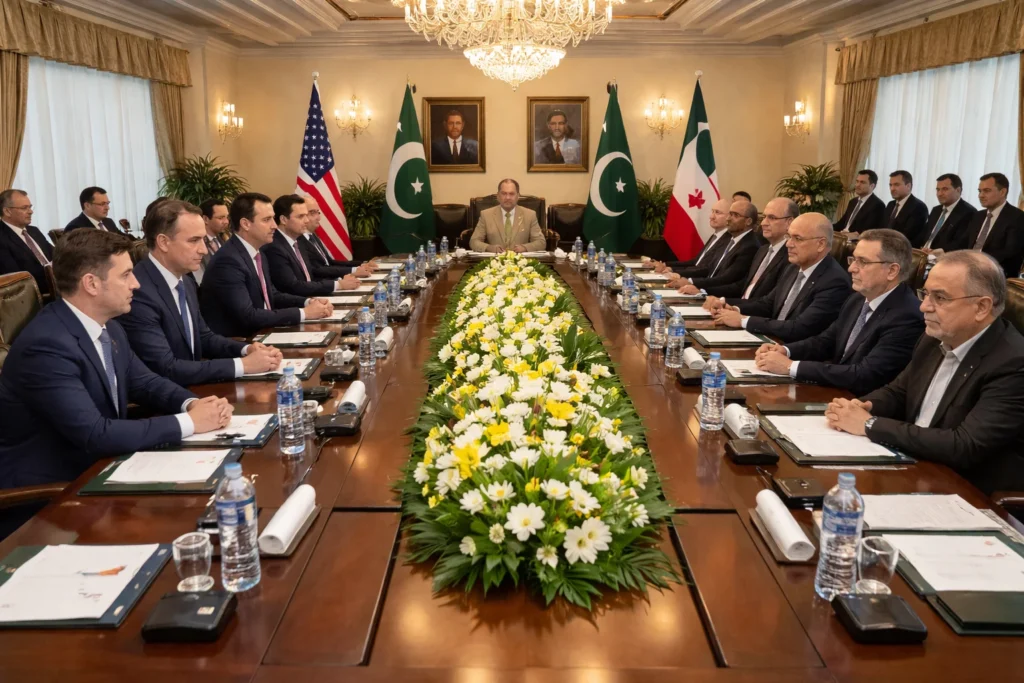
Historic direct talks between the United States and Iran in Islamabad have drawn worldwide attention, not only for their diplomatic importance but also for their potential impact on tourism, aviation, and regional travel confidence. The high-level meeting in Pakistan is being viewed as a significant moment that could influence travel trends across Asia and the Middle East if tensions continue to ease.
For the tourism sector, diplomatic breakthroughs often matter just as much as airline schedules or visa policies. Stability encourages travelers to book holidays, businesses to organize events, and airlines to restore routes. With Asia’s tourism recovery already gaining pace, successful dialogue in Islamabad could become an important turning point for the wider region.
Why the Islamabad Talks Matter for Tourism
International tourism depends heavily on safety, confidence, and reliable transport links. Whenever geopolitical tensions rise, travelers tend to postpone trips, airlines adjust schedules, and insurers increase caution on certain destinations.
When countries move toward dialogue instead of conflict, the opposite often happens. Travelers regain confidence, tour operators relaunch packages, and airlines begin planning expanded networks.
The Islamabad meeting is therefore being closely watched by tourism boards, airport operators, hotel groups, and investors across multiple countries.
A more stable regional outlook could support:
- Stronger visitor demand
- Better airline connectivity
- Increased hotel bookings
- More business events and conferences
- Growth in pilgrimage and cultural tourism
- Higher investor confidence in hospitality projects
Pakistan Gains Global Spotlight
Hosting talks of this scale places Pakistan in the international spotlight as a diplomatic venue. For tourism, such visibility can help reshape perceptions and showcase the country’s capacity to host major international events securely and professionally.
Pakistan has been working to promote tourism through mountain adventures, heritage tourism, religious tourism, and cultural experiences. Destinations such as Islamabad, Lahore, Karachi, Hunza, Skardu, Swat, and Gilgit have attracted growing attention from domestic and international travelers.
Global diplomatic attention may encourage more travelers to explore Pakistan’s tourism potential, particularly as infrastructure and hospitality services continue to expand.
Islamabad as an Emerging MICE Destination
The capital city of Islamabad offers modern roads, green spaces, government institutions, upscale hotels, and access to northern landscapes. These strengths support its potential as a future MICE destination for meetings, incentives, conferences, and exhibitions.
Cities that host major diplomatic or political summits often gain recognition as capable event destinations. This can later translate into:
- International conferences
- Trade summits
- Academic forums
- Government events
- Corporate gatherings
If Islamabad continues attracting global attention, business tourism could become a stronger part of its visitor economy.
Middle East Travel Could Benefit
The Middle East remains one of the world’s most important aviation and tourism regions. Gulf hubs connect travelers across continents, while destinations in the region attract millions through culture, luxury, pilgrimage, beach holidays, and stopover tourism.
When tensions decline, airlines often gain confidence to expand schedules and tourism boards can market destinations more aggressively.
Potential benefits could include:
- More stable flight operations
- Lower disruption risks
- Better passenger demand
- Increased transit traffic
- Stronger regional tourism campaigns
Travelers from Asia, Europe, and Africa frequently rely on Middle Eastern hubs for long-haul journeys, so broader stability can support global travel flows.
Airlines and Aviation Watching Closely
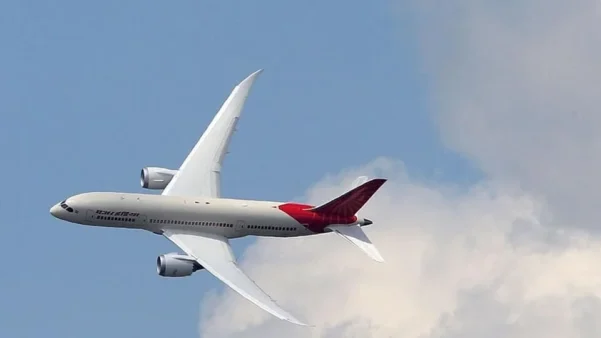
Aviation is usually among the first sectors to respond to geopolitical change. If regional conditions improve, airlines may gradually review suspended routes, increase frequencies, or reopen seasonal services.
Airports across the Gulf and South Asia could benefit from stronger transit demand and rising passenger confidence. Travel analysts note that even small improvements in certainty can influence airline planning months in advance.
For passengers, this could eventually mean:
- More route options
- Competitive fares
- Better schedules
- Shorter travel times
- Easier connections
However, any recovery would likely happen in phases rather than overnight.
Tourism Opportunities for Pakistan
Pakistan stands to gain directly if the successful hosting of talks enhances its international image. Tourism authorities have promoted the country’s landscapes, hospitality, and cultural depth in recent years.
Top attractions include:
- The Karakoram mountain region
- Hunza Valley
- Fairy Meadows
- Skardu lakes and trekking routes
- Lahore Fort and Mughal heritage
- Taxila archaeological sites
- Sufi shrines and spiritual tourism circuits
- Islamabad’s parks and viewpoints
Positive global headlines can complement these efforts by encouraging curiosity and reducing outdated perceptions among international audiences.
What Travelers Should Know Now
While diplomatic talks are encouraging, travelers should still plan responsibly and follow official travel guidance for any destination they visit.
Monitor Official Advisories
Check government travel updates, airline notices, and embassy information before departure.
Book Flexible Travel
Choose fares or hotels that allow changes if schedules shift unexpectedly.
Watch Flight Networks
Transit routes through regional hubs may continue adjusting depending on aviation demand.
Consider Insurance
Travel insurance can provide additional reassurance depending on policy coverage.
Stay Informed
Regional developments can change quickly, so regular updates are useful for long-haul trips.
A Positive Signal for Global Tourism in 2026
The tourism industry has shown strong resilience in recent years, adapting to health crises, economic pressures, and regional conflicts. Diplomatic engagement between major powers sends a positive message at a time when travelers are eager for confidence and continuity.
Peace talks do more than shape politics. They influence family reunions, holiday decisions, airline investments, and the confidence of millions of travelers worldwide.
If progress continues, 2026 could see stronger tourism flows across Asia, the Gulf, and neighboring markets.
Long-Term Outlook
Even if immediate agreements take time, the fact that direct dialogue has begun is significant. Tourism markets often respond not only to final outcomes but also to signals of progress and reduced uncertainty.
Pakistan’s role as host, the possibility of calmer regional conditions, and renewed focus on diplomacy together create a hopeful narrative for the travel industry.
For travelers, tourism businesses, and destinations across the region, the Islamabad peace talks represent more than a political meeting. They may mark the beginning of renewed confidence, broader connectivity, and fresh momentum for travel in one of the world’s most dynamic regions.
For more travel news like this, keep reading Global Travel Wire