Luxury air travel is changing fast. For decades, first class represented the highest level of flying comfort with private suites, premium dining, designer amenities, and exclusive service. It was the dream booking for travelers seeking status and indulgence.
But in 2026, the premium travel market looks very different. Across the global aviation industry, airlines are redesigning cabins, shifting investment, and responding to changing traveler preferences. The result is clear: business class travel is becoming the new symbol of premium flying, while traditional first class is gradually losing ground.
For tourism, this shift matters because premium cabins play an important role in long-haul travel, destination appeal, and traveler spending patterns. What passengers book in the air often shapes the entire travel experience on the ground.
Why First Class Is Declining
Airlines make decisions based on demand, efficiency, and profitability. Large first class suites occupy valuable cabin space that could be used for more business class or premium economy seats.
Today’s premium travelers often ask a practical question: if business class already offers privacy, lie-flat beds, fine dining, and lounge access, is first class still worth paying significantly more for?
That changing mindset has pushed many airlines to rethink cabin strategy.
Common reasons for the decline of first class include:
- Limited seat demand
- High operating costs
- Large space requirements
- Better business class products
- Stronger premium economy demand
- Corporate travel policy changes
- More value-focused luxury travelers
Business Class Has Evolved Dramatically
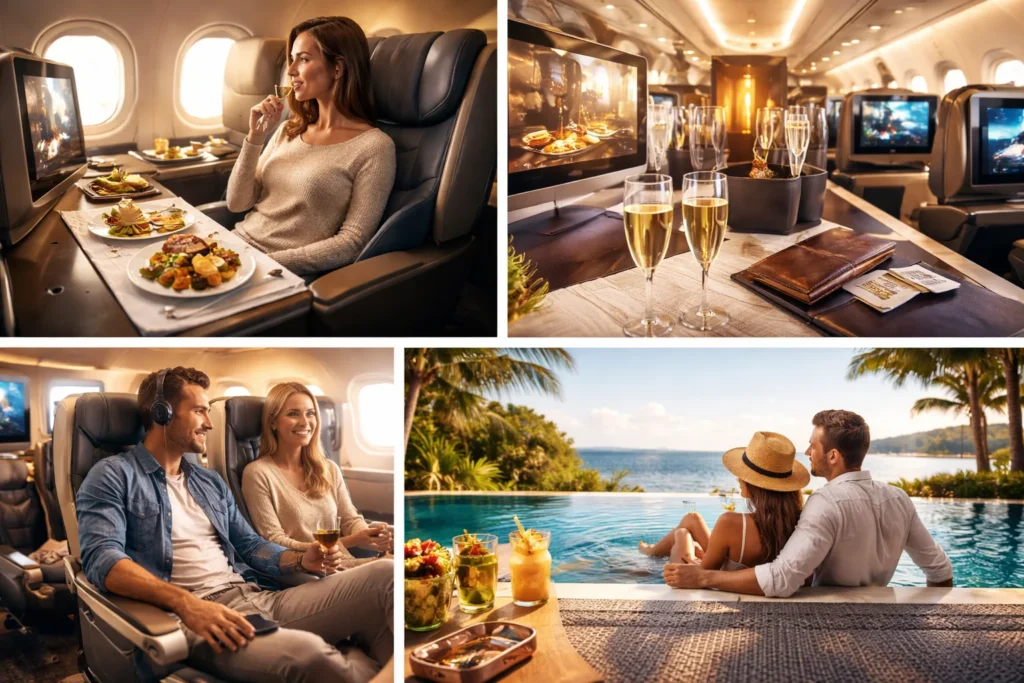
Modern business class is no longer just a wider seat with extra legroom. On many international airlines, it now includes features once associated only with first class.
Travelers may find:
- Fully flat beds
- Direct aisle access
- Private sliding doors
- Premium menus
- Lounge access
- Priority boarding
- Luxury bedding
- Improved entertainment systems
For many passengers, this level of comfort is more than enough for overnight or long-haul journeys.
As a result, business class travel now appeals to both corporate travelers and leisure tourists seeking comfort without paying the highest premium.
Premium Economy Is Growing Too
Another major tourism trend is the rise of premium economy. This cabin class sits between economy and business class, offering extra comfort at a more accessible price point.
Typical benefits include:
- Wider seats
- Greater recline
- More legroom
- Better meals
- Priority check-in on some airlines
- Higher baggage allowance
Premium economy is especially popular with leisure travelers, families, and long-haul passengers who want more comfort but do not need a lie-flat seat.
This growth has created pressure on both ends of the market, reducing the space once reserved for traditional first class.
What This Means for Luxury Tourism
Air travel is part of the overall tourism journey. Premium cabins influence where people travel, how often they travel, and how much they spend.
When travelers save money by booking business class instead of first class, they may reallocate budgets toward:
- Luxury hotels
- Fine dining
- Private tours
- Longer stays
- Wellness retreats
- Shopping experiences
- Premium transfers
This means the shift away from first class can still support high-value tourism spending, just in different ways.
Travelers Want Smart Luxury
Modern luxury is no longer only about exclusivity. It is increasingly about value, convenience, and personalization.
Today’s premium traveler often prefers:
- Comfort without excess
- Efficient airport experiences
- Better sleep onboard
- Flexible tickets
- Seamless digital service
- Strong loyalty rewards
- Memorable destination experiences
That is why business class travel feels more relevant to many passengers than old-style prestige alone.
Airlines Redesigning Cabins
Many airlines now use aircraft space more strategically. Instead of a very small first class cabin, they may install larger business class sections and expanded premium economy rows.
Benefits for airlines include:
- Higher seat utilization
- Broader customer appeal
- Better revenue balance
- More upgrade opportunities
- Greater flexibility across routes
This is particularly important as tourism demand remains strong and airlines seek to maximize available capacity.
Is First Class Disappearing Completely?
Not entirely. Some flagship routes and select global carriers continue to offer first class, especially on ultra-premium long-haul markets where demand remains strong.
These routes may include:
- Financial capitals
- Luxury leisure destinations
- High-net-worth travel corridors
- Government and diplomatic markets
For certain travelers, first class still offers unmatched privacy and exclusivity.
However, it is increasingly becoming a niche product rather than the standard peak of premium aviation.
What Should Travelers Book Instead?
The answer depends on budget, route length, and travel priorities.
Choose Business Class If You Want:
- Maximum comfort
- Flat-bed sleep
- Premium airport experience
- Strong value versus first class
- Better long-haul recovery
Choose Premium Economy If You Want:
- More comfort than economy
- Lower cost than business class
- Better daytime flight experience
- Great value for leisure travel
Choose Economy If You Prioritize:
- Lowest fare
- Short flights
- Frequent trips over premium upgrades
Best Tourism Strategy in 2026
Many travel experts now recommend balancing air spend with destination spend. Instead of using the entire budget on the most expensive seat, travelers may enjoy a richer holiday by choosing a smart cabin and investing more in the trip itself.
For example:
- Business class + luxury hotel
- Premium economy + longer vacation
- Economy + private experiences
- Business class + wellness retreat
This creates stronger overall value and often better memories.
Future of Premium Flying
The future of premium travel is likely to focus on customization rather than one fixed luxury model.
Expect growth in:
- Private suites in business class
- Subscription upgrades
- Dynamic premium pricing
- Wellness-focused cabins
- Sustainable premium travel options
- Smarter loyalty redemptions
The definition of luxury in the sky will continue to evolve.
Final Word
First class once defined aspirational travel, but the premium market has changed. Better business class products, rising premium economy demand, and smarter traveler priorities are reshaping global aviation.
In 2026, business class travel often delivers the best balance of comfort, prestige, and value. For many tourists, it is no longer about booking the most expensive seat—it is about booking the smartest one.
The future of luxury travel is not disappearing. It is simply moving to a new cabin.